It was an unusual request. On Nov. 21, 2025, the owner of an apartment in a luxury complex north of Miami drafted a message asking the building’s management to remove his houseguest immediately, the same man his family had vouched for in writing two months earlier.
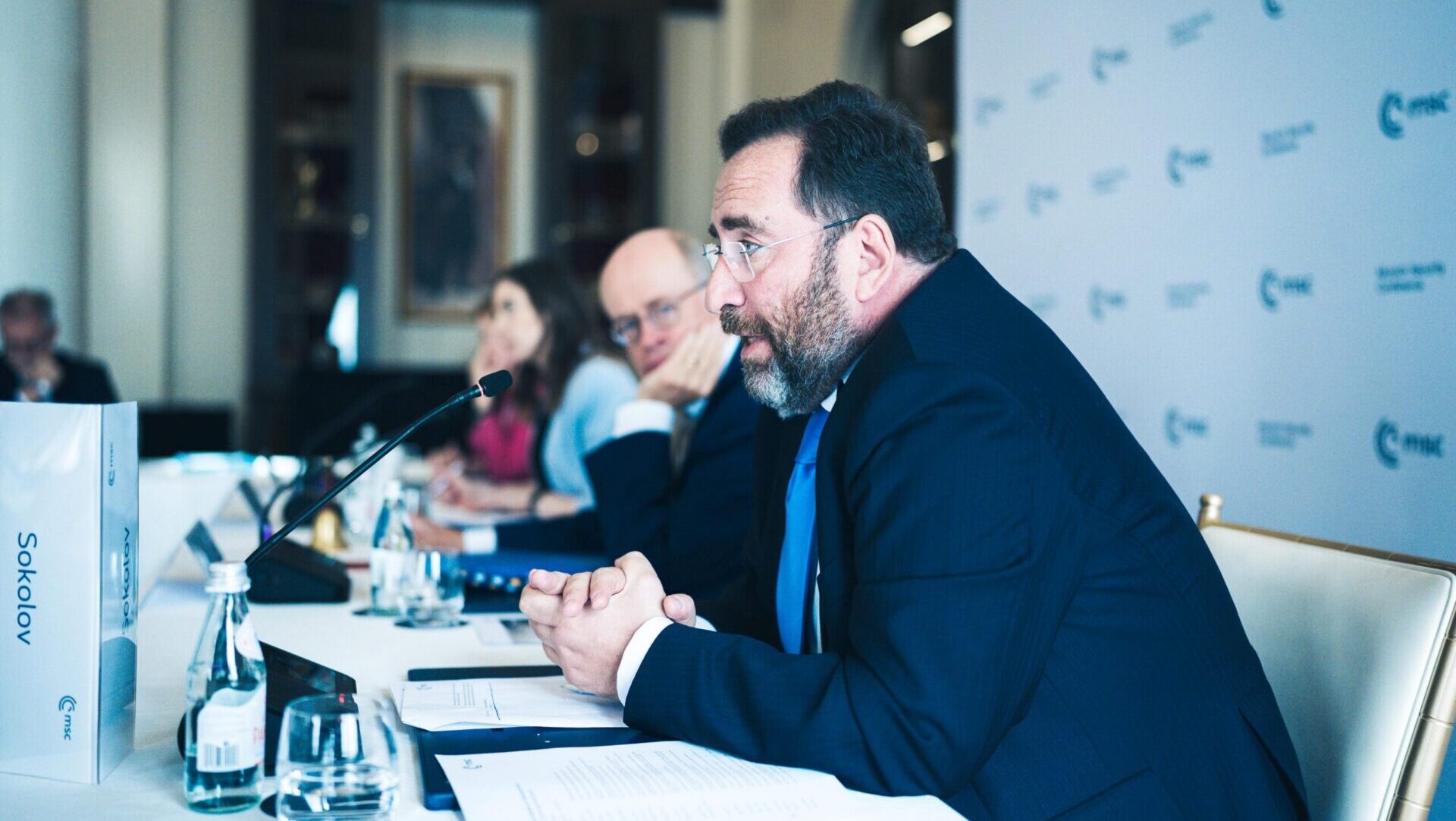
The guest was Alexandre Ramagem, a Brazilian congressman and spy chief under former President Jair Bolsonaro. In September, Ramagem had fled Brazil days before being sentenced to 16 years in prison for his role in Bolsonaro’s plot to overturn the 2022 election. The message was drafted the same day the country’s Supreme Court ordered Ramagem’s arrest and two days after a Brazilian news site published photos of him and his wife strolling through the Miami complex in workout clothes, causing outrage back home.
The message was written in the name of Rodrigo Martins de Mello, who was convicted of running an illegal mining operation on protected indigenous land in the Amazon. De Mello claimed he had only just learned from the press that his guest was barred from leaving Brazil. “In order to avoid any issues for the condominium or for myself, I hereby request that the condominium IMMEDIATELY notify him of my directive for him to leave my property,” De Mello wrote.
But Brazilian investigators say De Mello and his family knew all along that Ramagem was on the run. Messages, notes and photos from confidential records reviewed by ICIJ and Agência Pública show that they housed Ramagem for months, vouched for him to building management and sought paperwork needed to obtain a Florida driver’s license for him, including a lease drafted to make it look as if he was renting a room.
The records, obtained by Agência Pública and shared with ICIJ, are part of a sealed investigation by Brazil’s Federal Police into Ramagem’s escape, conducted within the Supreme Court’s sprawling investigation into the plot to overturn the 2022 election.
The Federal Police had an officer in Miami working alongside the U.S. Immigration and Customs Enforcement. With the officer’s help, the confidential records say, ICE found Ramagem, who Brazil wants to extradite, and arrested him in Orlando in April for overstaying his visa.
Then the case took an unexpected turn. After two days, ICE released Ramagem while he pursues asylum. Days after that, the State Department told the Brazilian officer who had helped locate Ramagem to leave the country, accusing him of trying to extend “political witch hunts” to U.S. soil.
There’s a lot of favoritism and discrimination and double standards in the immigration system now. — Tessa Petit, Florida Immigrant Coalition
Six months later, Ramagem remains free in Florida. Officials in Brazil declined to say whether the U.S. has responded to its extradition request.
Ramagem’s treatment stands in sharp contrast with that of thousands of asylum seekers who have been deported since Trump returned to office.
“There’s a lot of favoritism and discrimination and double standards in the immigration system now,” said Tessa Petit, executive director of the advocacy group Florida Immigrant Coalition.
Most immigrants don’t get the break Ramagem got, said Petit, who fled Haiti in 2001 and was initially denied asylum before winning her case in immigration court. “The reality for the majority of people is: Be vigilant, be careful, and hopefully be lucky enough to not get picked up.”
Neither Ramagem nor the De Mellos responded to requests for comment for this story.
In Brazil and in the U.S., supporters of Jair Bolsonaro, a close ally of President Donald Trump, praised the White House for Ramagem’s release.
On Oct. 25, Brazilians will vote in a presidential runoff in which the narrow front-runner, Flavio Bolsonaro, a son of the former leader, has promised pardons for everyone convicted in the coup plot.
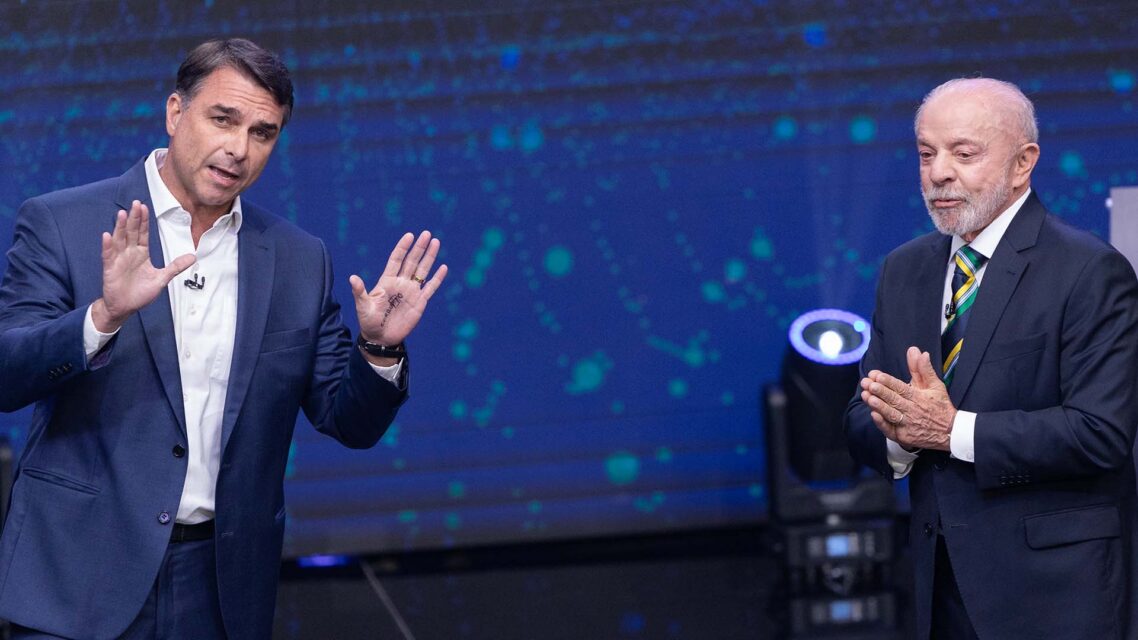
Brazilian presidential candidates Flavio Bolsonaro, left, and Luiz Inacio Lula da Silva attend a presidential debate ahead of the national election in Sao Paulo, Brazil, on October 18, 2026.
‘An illegal alien from Brazil’
Ramagem’s only known run-in with U.S. authorities came after months of living in plain sight in Florida and publicly accusing the Brazilian government of persecution.
Ramagem entered the country legally on Sept. 11, 2025, with permission to stay six months, the Department of Homeland Security, which oversees ICE, told ICIJ. But he “chose to illegally overstay his welcome in violation of our nation’s laws,” the agency said, calling him, “an illegal alien from Brazil.”
Brazil filed a formal extradition request with the State Department on Dec. 30, 2025, according to Brazil’s Justice Ministry.
On April 13, police detained Ramagem in Orlando during a traffic stop and handed him over to ICE. Two days later, ICE let him go, pending the outcome of his removal proceedings, the agency said. He paid no bail, according to Paulo Figueiredo, a U.S.-based Brazilian commentator and Bolsonaro ally who said his immigration consulting firm has assisted Ramagem. Detained immigrants usually must go before a judge to seek release, but ICIJ found no record of Ramagem petitioning the court for his freedom. ICE told Brazilian police at the time that the release was an administrative decision and that Ramagem could remain free while his asylum claim was reviewed, according to Brazilian media reports citing police sources.
Ramagem’s allies credited Washington for his release. “Thank you, President Trump and everyone in the administration,” Figueiredo wrote on X. Eduardo Bolsonaro, another son of the former president, thanked Trump and Secretary of State Marco Rubio. Sóstenes Cavalcante, a leader of Bolsonaro’s party in Brazil’s Congress, said Rubio had helped speed up the release, which he said would otherwise have taken at least two weeks.
RAMAGEM IS FREE AND BACK HOME!
My deepest thanks go to Donald Trump @realDonaldTrump and @SecRubio for their sensitivity and attention in addressing the case of this true national hero, who, even under persecution, has never wavered.
Alexandre Ramagem deserves asylum in the land of freedom, alongside his courageous wife – tireless in fighting for his liberty – and their beautiful daughters.
— Eduardo Bolsonaro (@BolsonaroSP) April 15, 2026
Ramagem himself suggested he had U.S. government support. In November, after the publication of photos showing him in Miami, Brazil’s Supreme Court had ordered his arrest. The next day, in a livestreamed interview, Ramagem said he was safe in the United States “with the consent and knowledge of the American government.”
On April 20, five days after Ramagem’s release from immigration custody, the State Department asked Marcelo Ivo de Carvalho, the Brazilian Federal Police liaison officer posted in Miami to work with ICE, to leave the country. “No foreigner gets to game our immigration system to both circumvent formal extradition requests and extend political witch hunts into U.S. territory,” the department’s Bureau of Western Hemisphere Affairs wrote on X.
The government in Brasília retaliated and suspended the duties of a U.S. immigration agent posted there, who then left the country on April 22. In a statement, the Foreign Ministry said the U.S. had failed to consult Brazil first, as the two countries’ agreement on police liaisons requires, and ignored “good diplomatic practice of dialogue between friendly nations, such as Brazil and the United States, over more than 200 years of relations.”
Neither the State Department nor the White House responded to multiple requests for comment. In its statement, DHS did not explain why Ramagem was released, saying only that he was freed “pending the outcome of his removal proceedings” and “will receive due process.” It added that a pending application “does NOT confer any type of legal status in the United States” and that “illegal aliens are not welcome in our country.”
The handling of Ramagem’s case stands out among those of hundreds of thousands of asylum seekers in the United States.
Since Trump returned to office, immigration judges have ordered more than 440,000 asylum seekers removed, more than in the previous eight years combined, according to a recent Washington Post analysis. Release from ICE detention has also become the exception. By late 2025, ICE was deporting more than 14 people directly from detention for every one it released to await a hearing, according to the American Immigration Council, an advocacy group that analyzed ICE data. In December, the administration paused decisions on all asylum applications pending with U.S. Citizenship and Immigration Services.
Ramagem’s release was not just an immigration matter. A career federal police officer, he headed Bolsonaro’s security when Bolsonaro was president-elect. He was then appointed head of Brazil’s intelligence agency, becoming part of the inner circle of a president whose prosecution the Trump administration has criticized. In July 2025, Trump imposed 50% tariffs on Brazilian goods, calling Bolsonaro’s trial a “witch hunt,” and his administration sanctioned Alexandre de Moraes, the Supreme Court justice who oversees the coup case against Bolsonaro and Ramagem. A White House executive order that month accused Brazilian officials of politically persecuting the former president.
Brazilian President Luiz Inácio Lula da Silva, a leftist who defeated Bolsonaro in the 2022 election, has accused Washington of meddling in Brazil’s affairs. Last month, Lula used his speech at the United Nations General Assembly to warn against foreign interference in the upcoming election there.
Court, the Federal Police arrested Rodrigo’s son Celso, on suspicion of helping Ramagem flee. In a statement, the family said Celso is innocent. Moraes also ordered Rodrigo’s arrest, and Rodrigo remains a fugitive. (This week, another Supreme Court justice rejected Rodrigo’s request to overturn the order, the Brazilian news site Amado Mundo reported.)
Ramagem has denied that Celso helped him. In an Instagram post after the ICE arrest, he said he didn’t know “a certain” Priscila or Celso. “They arrested a young man, a kid, who only met me when I was already in the U.S.,” he said. “In fact, this young man is American.”
Celso now wears an ankle monitor while the investigation, which is under seal, continues.
The confidential records show the De Mello family’s alleged involvement began early. Since June 2025, Ramagem, then a member of Brazil’s Congress, had been barred by court order from leaving Brazil and was required to surrender all his passports while on trial. He was charged with using the country’s intelligence agency to help Bolsonaro discredit its voting system. (Ramagem’s defense told the Supreme Court that the evidence against him was “extremely timid.”)
On Sept. 9, while on medical leave from Congress, he crossed from the northern town of Bonfim into Lethem, Guyana. A photo found on the phone of Priscila Freitas de Mello, then Rodrigo’s wife, shows him there the next day, smiling, at what appears to be an immigration post in Guyana. Brazilian Federal Police investigators say Rodrigo took the picture, according to the records.
On Sept. 11, as Brazil’s Supreme Court convicted him, Ramagem flew to the United States on a diplomatic passport that he had kept.
On Sept. 15, Celso messaged Priscila asking for a utility bill in his father’s name so Ramagem could apply for a Florida driver’s license, the confidential records show.
“Hi Pri, good evening,” Celso wrote to his stepmother. “Can you send me a bill for your apartment in my dad’s name? Water, electricity, phone, internet… We’re going to try to get Alexandre’s driver’s license tomorrow at the DMV.” He had drafted a lease, Celso wrote, to make it look as if Ramagem “had rented the room.”
“Let me see,” Priscila replied.
Two days later, Priscila wrote to the condominium’s management asking for a new gate access card. “Since we are traveling, we won’t be able to pick it up,” she said. “Therefore, we authorize a friend of ours, Alexandre Rodrigues Ramagem, to collect the new card on our behalf.” Celso also contested parking fines Ramagem had run up at the complex, the records show.
On Nov. 17, Ramagem’s spouse and daughters joined him in the apartment, according to the wife’s social media posts.
Investigators in Brazil allege in the confidential records that the De Mello family played a key role in keeping Ramagem hidden, both by housing him and by helping him deceive U.S. authorities with false documents. It is unclear whether a driver’s license was ultimately issued.
Rodrigo, the De Mello patriarch, has denied helping Ramagem escape. In November, he called the escape story a “fallacious narrative” meant to persecute the right, and said that when Ramagem was with him, he faced no conviction or legal impediment to leaving Brazil. The two men appeared together publicly in March 2025, when Rodrigo posted a photo of Ramagem’s visit to Boa Vista, De Mello’s longtime base in the state of Roraima, near the Guyana border, calling him “a great ally” of Bolsonaro.
https://www.icij.org/inside-icij/2023/01/how-investigating-political-fanatics-became-one-of-the-most-dangerous-jobs-in-brazil/
MEET THE INVESTIGATORS How investigating political fanatics became one of the most dangerous jobs in Brazil Jan 08, 2023
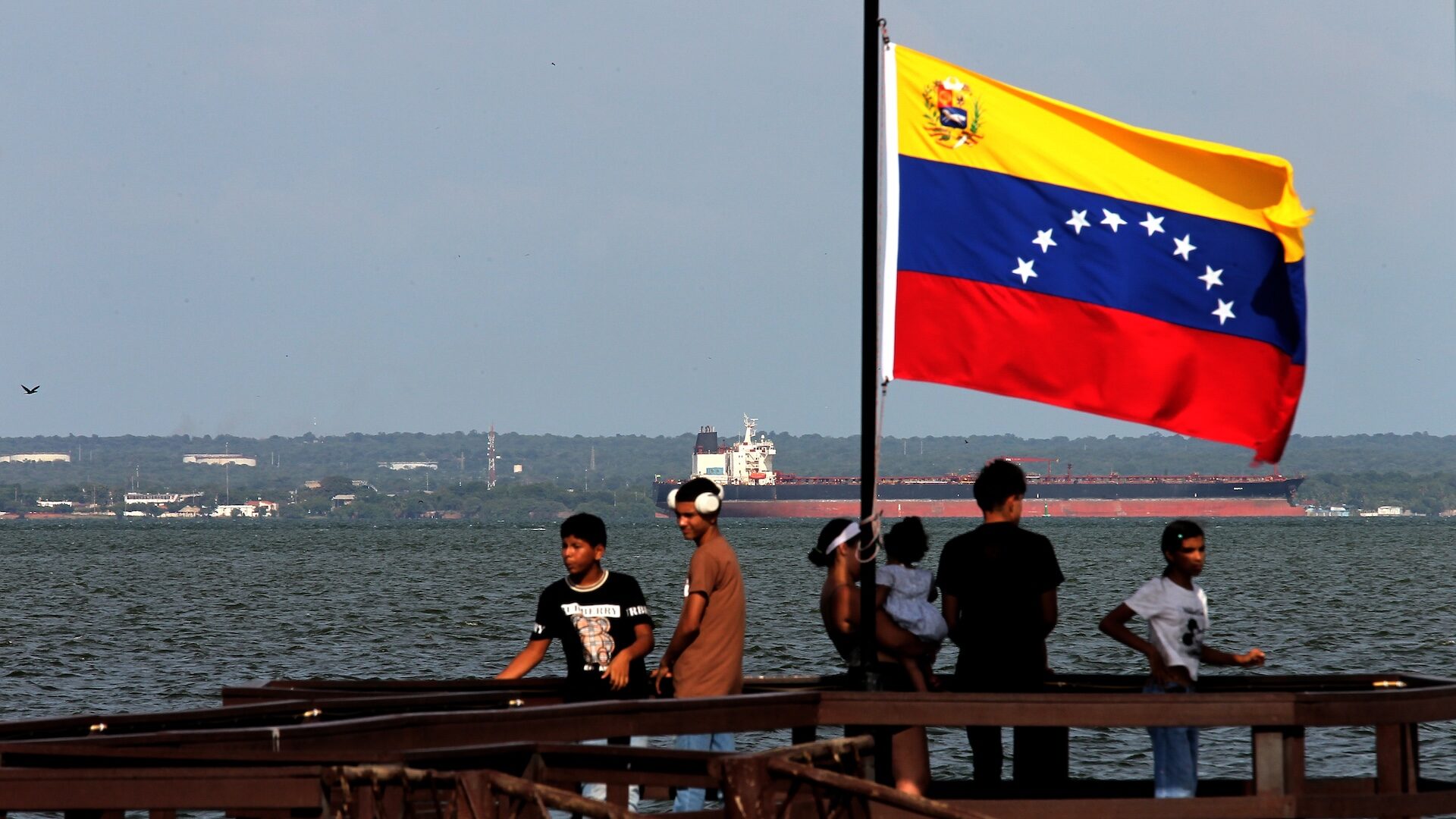
https://www.icij.org/investigations/fincen-files/white-house-pick-to-run-venezuela-oil-deal-under-investigation-in-two-countries/
FINCEN FILES White House pick to run Venezuela oil deal under investigation in two countries Sep 03, 2026
https://www.icij.org/news/2026/04/arizona-gun-shop-owner-is-first-to-face-terrorism-related-charges-after-allegedly-selling-high-caliber-weapons-bound-for-mexican-cartels/
Accountability Arizona gun shop owner faces terrorism-related charges for allegedly selling high-caliber weapons bound for Mexican cartels Apr 30, 2026
Recommended reading MEET THE INVESTIGATORS How investigating political fanatics became one of the most dangerous jobs in Brazil Jan 08, 2023 FINCEN FILES White House pick to run Venezuela oil deal under investigation in two countries Sep 03, 2026 Accountability Arizona gun shop owner faces terrorism-related charges for allegedly selling high-caliber weapons bound for Mexican cartels Apr 30, 2026
Source: ICIJ · 2026-10-22