In selling its blockbuster anticancer drug Keytruda to the Russian government, the pharmaceutical giant Merck turned to a hospital supplier with friends in high places: Alexey Repik, a now-sanctioned oligarch close to Russian President Vladimir Putin and fluent in the ways of Russia and Western business.
A native of Moscow, trained as an economist, Repik started R-Pharm in 2001 after selling his car and borrowing $15,000 from his mother. Serving as an intermediary for pharmaceutical firms bidding on massive government contracts for medicine, the firm took off.
In 2009, the year New Jersey-based Merck forged a strategic alliance with R-Pharm, the Russian company was expanding and soon teamed up with other Western firms and formed new lines of business.
Repik amassed billions of dollars, a mansion in San Francisco and a precious collection of modern art and Japanese prints. He enjoyed high-stakes poker events at luxury casino hotels in the West, joining high-roller pros and gaining a reputation as a somewhat aggressive and unorthodox player. And he attracted scrutiny. Some in the media questioned whether insider connections to government officials helped him win contracts. Repik brushed off the question. “In the classical sense, no,” he said in a 2015 interview. “Officials and shadow leaders have never stood behind us.”
R-Pharm also faced scrutiny from Russia’s Federal Antimonopoly Service, which investigated whether the firm coordinated bidding with other medicine distributors and in separate cases engaged in anticompetitive conduct designed to maintain high drug prices and influence winners.
Yet R-Pharm kept growing, deepening its relationship with Merck by sharing manufacturing know-how and producing medicines jointly. Along the way, Repik became a political heavyweight. He met one-on-one with Putin, was invited to mingle with the super elite at the World Economic Forum and attended Donald Trump’s first presidential inauguration festivities in 2017. The oligarch bragged on Facebook that he was able to “check the handshake strength” of the president-elect. And news investigations later found that an offshore company linked to Repik owned a Bombardier business jet apparently used by one of Putin’s daughters.
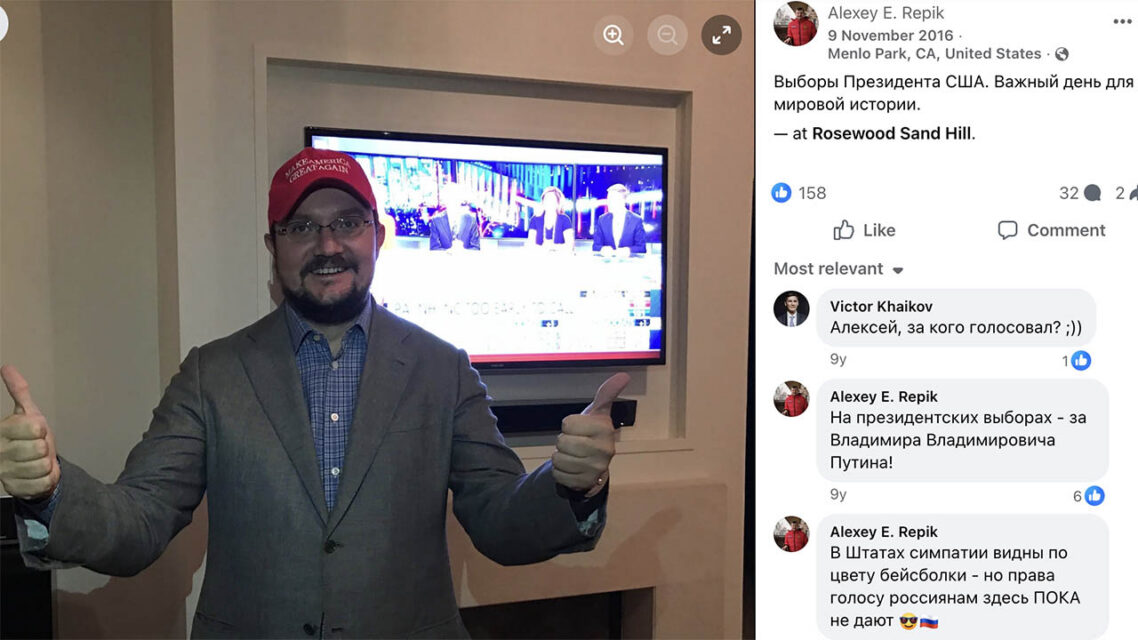
Alexey Repik’s Facebook post from the U.S. election night in 2016 shows him in a red Make America Great Again hat, giving a thumbs up. Image: via Facebook
Merck wasn’t the only major Western drugmaker to partner with a politically connected Russian distributor entangled in corruption allegations. Nor was it the only one to operate in a system in which improper payments, conflicts of interest, bid rigging and inflated medicine prices were recurring public concerns.
Now confidential whistleblower reports obtained by the International Consortium of Investigative Journalists say that four pharmaceutical giants paid tens of millions of dollars to proxies to supply lifesaving drugs to Russian government entities as part of a corrupt system that helped keep prices high and limit access for cancer patients and others with serious ailments.
The probe into the role of intermediaries in Russia’s cancer medicine infrastructure, by ICIJ, Proekt and the Swiss media outlet Republik, is part of ICIJ’s Cancer Calculus project. The series explores strategies that pharmaceutical firms use to maintain multibillion-dollar monopolies and to keep cancer drug prices high — at the expense of patients and depleted healthcare resources around the world.
The new whistleblower reports say that between 2020 and 2023, the drug companies provided “excessive” bonuses to R-Pharm and other intermediaries in Russia, even as those middlemen participated in dubious bidding practices or faced scrutiny for alleged bid rigging or anticompetitive conduct.
These whistleblower reports, made in 2024 and 2025, allege that Merck (known as MSD outside of the U.S. and Canada), Eli Lilly, Novartis and AstraZeneca paid the large sales bonuses, or rebates, to a network of Russian distributors and sub-distributors. The distributors or firms they controlled, in turn, paid government healthcare officials and hospital administrators in return for awarding public contracts and boosting prescriptions of high-priced medicines without real competition, the whistleblower disclosures say.
The Western companies paid bonuses of between 15% and 35%, the disclosures claim, including bonuses based on the volume of a drug bought or other types of incentives. The distributors allegedly used the bonuses to fund kickbacks to officials who approved purchases of drugs such as Merck’s anticancer medicine Keytruda, Eli Lilly’s Cyramza, Novartis’s Kisqali and AstraZeneca’s Tagrisso.
The whistleblower reports are part of a trove of hundreds of pages of documents, including company emails, bidding records and letters to the drugmakers’ audit committees, submitted to the U.S. Securities and Exchange Commission and alleging violations under the U.S. Foreign Corrupt Practices Act. The FCPA prohibits bribery of officials to secure or retain business and requires publicly traded companies to maintain accurate and transparent accounting. The disclosures also said the information would be provided to the Justice Department’s FCPA unit.
about the matter. AstraZeneca declined to comment. Merck and Lilly did not respond to requests for comment.
To corroborate some of the whistleblower’s claims, ICIJ reviewed Russia’s public procurement database, as well as procurement records shared by Proekt, for records relating to several bids that the whistleblower reports allege had been rigged. ICIJ also verified the accuracy of facts asserted in the reports, including the name of the drug, the companies involved, dates of the bid solicitations and bid amounts. ICIJ corroborated some of the whistleblower’s claims by reviewing facts asserted in the statements alleging a “fake auction” for a drug bid solicitation.
Granting bonuses is a common business practice in the pharmaceutical sector and sometimes takes a non-cash form, specifically by reducing the outstanding amount that distributors pay for products. Under one bonus arrangement, a drugmaker may send a drug to a distributor in return for a promissory note. The distributor then sells the medicine to a hospital at a government bidding auction. The drugmaker effectively pays a bonus by issuing a credit note that reduces the amount the distributor owes.
Russian distributors told ICIJ they complied with all laws and adhered to strict ethical business standards.
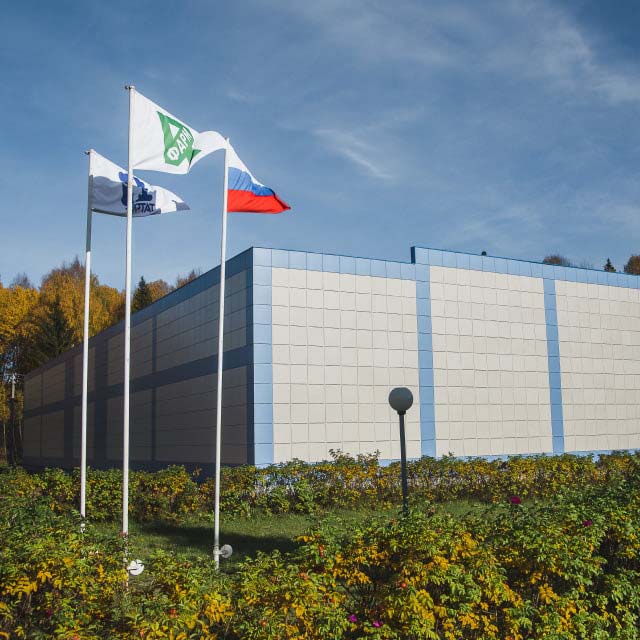
The Ortat Pharmaceutical Plant, operated by the R-Pharma group in the Kostroma region in Russia’s west. Image: via R-Pharm.com
R-Pharm said that its use of bonuses was legitimate and that it was not aware of any investigation into improper payments. “We deny any involvement of R-Pharm and/or its officers and/or affiliates in any instances of improper payments to public officials in Russia or any other country in the world in exchange for non-competitive medicine contracts,” Vasily Ignatiev, R-Pharm’s general director, wrote to ICIJ.
But the whistleblower disclosures claim that the only reason Western companies would provide such large bonuses is because their Russian management teams knew the distributors needed large margins to fund alleged kickbacks for medicines.
The whistleblower reports do not contain evidence of direct payments from intermediaries to government officials, but they do offer an array of red flags that indicate the intermediaries had encountered legal trouble, that the system they were navigating was rife with corruption and that the bonuses the pharmaceutical firms were paying may have been beyond industry norms.
The whistleblower’s claims also raise questions about whether bonuses can improperly influence medical decisions, including whether patients receive the right medicines, whether public funds are used effectively and whether artificially high costs prevent access to treatment for those who need it.
The whistleblower disclosures claim that there was no business justification for such large bonuses and that the Western firms’ conduct “is the very definition of being willfully blind.”
‘Exceptionally large’ bonuses
While problems in Russia’s drug procurement system are publicly known, reforms have been hard to come by because so many distributors and others in the supply chain benefit from it. Meanwhile, many patients can’t access medicines because of limited supply or high prices, and taxpayers must finance a system that experts say is built on bribery instead of one that funds lifesaving medicines.
Under the FCPA, using a third-party distributor doesn’t shield a manufacturer from liability for improper payments. A manufacturer may face liability if it knows or deliberately ignores warning signs that a distributor is using its margins to fund improper payments. Because companies can be held liable for the actions of their distributors, federal regulators expect firms to conduct a thorough due diligence process, including checks into the distributor’s business history, ownership structures and links to government officials.
The whistleblower disclosures say it is unclear whether the companies’ audit and compliance units were “aware of the distributor corruption scheme and have chosen to ignore the scheme to maintain their jobs or have been poorly trained at identifying and preventing systematic FCPA violations.” Letters addressed to the firms’ audit committees, which are part of the whistleblower reports, urge corporate investigators to conduct reviews of the distributor schemes.
The letters to the audit committees mention six key distributors used by the pharma giants that had documented red flags, including alleged shell company transactions, bid-rigging cases, faked auction schemes and high-profile bribery or antitrust investigations. Proekt’s investigation found the bonuses cited in the whistleblower reports were broadly consistent with amounts quoted in a confidential industry survey conducted by the Russian audit firm Kept. That survey found the average bonus paid to government distributors in Russia in 2022 was 30%, seven times as high as bonuses paid to retail distributors selling medicine to pharmacies, according to Proekt. But in a written statement, Kept said it was unfair to compare bonuses in the retail and public sectors. In particular, Kept said the retail market, unlike the government one, involves others in the distribution chain including pharmacy chains and e-commerce players, “which results in additional costs for pharmaceutical companies.”
“Based on this, it is necessary to consider the entire spectrum of relationships among participants in the pharmaceutical market,” a Kept spokesperson said.
Kept added: “Bonus mechanisms regulate exclusively commercial relationships between distributors and pharmaceutical companies and have no bearing on the effectiveness of government procurement.”
Retail distributors supply both prescription and over-the-counter medicines often bought directly by consumers. Government distributors are typically different companies that cover medicines including high-priced cancer drugs under patent, paid for by Russian government agencies. These medicines tend to be purchased through government auctions for public hospitals and public health agencies. The Russian government did not respond to ICIJ’s requests for comment. In his statement, R-Pharm’s Ignatiev described the system as transparent and “based on open competitive bidding procedures.”
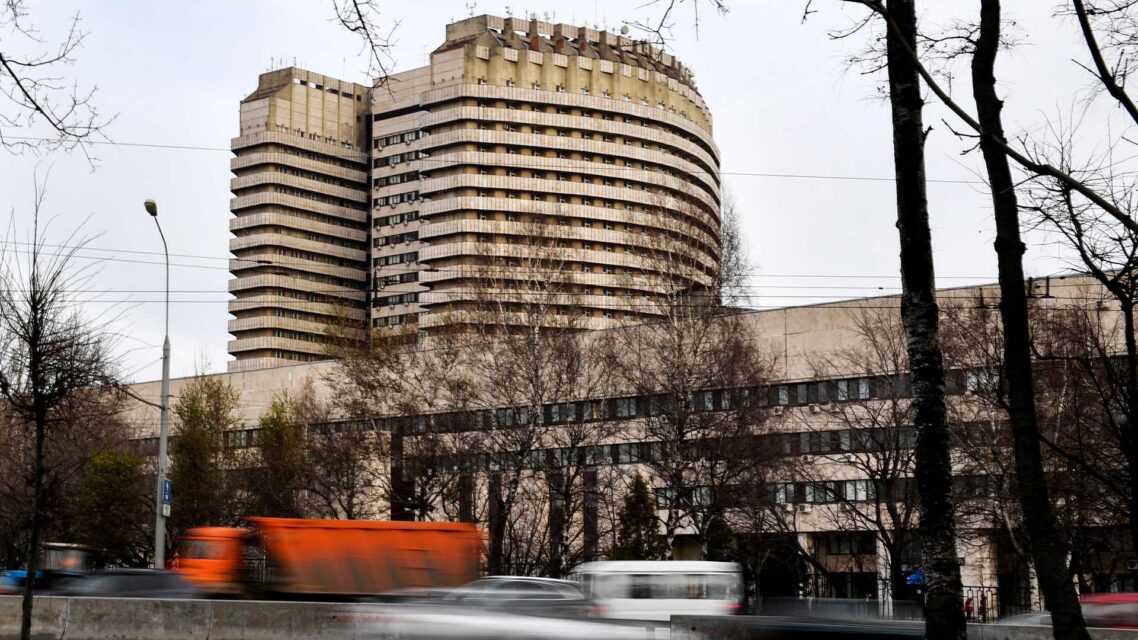
Russia’s N.N. Blokhin Cancer Research Center in Moscow. Image: Alexander Nemenov/AFP via Getty Images
Proekt’s investigation found that bonuses to Russian distributors participating in government auctions were “exceptionally large” compared to several countries where they rarely exceeded 10%.
Researchers and investigators have found that pharmaceutical distributors and other intermediaries can raise the price of prescription medicines. At a 2015 industry compliance conference in Washington, Andrew Ceresney, then-director of the SEC’s Division of Enforcement, said distributors were in a position to “use their margin or spread to create a slush fund of cash that will be used to pay bribes to foreign officials.”
‘There is no competition’
Distributors have been at the center of bribery probes before. In Kazakhstan, the SEC alleged that distributors for the French pharmaceutical giant Sanofi generated funds to bribe Kazakh officials to win contracts and boost sales of the company’s prescription drugs. The SEC issued a cease-and-desist order alleging that Sanofi and distributors typically created a 20% to 30% “discount” to increase distributors’ profit margins, designating some of that money for bribes, and then having the distributor kick back funds to Sanofi employees. Distributors tracked the financial accounting on internal spreadsheets where the kickbacks were masked under the code word “marzipans.” Sanofi paid $25.2 million to settle the allegations in 2018 without admitting or denying wrongdoing.
In Brazil, the SEC found that a subsidiary of Indianapolis-based Eli Lilly allegedly gave a distributor a 17% and 19% discount for drug sales to the government. The SEC described these discounts as “unusually large.” The U.S. investigation showed the distributor used about 6% of the purchase price to pay bribes to Brazilian government officials. Lilly reached a civil settlement with the SEC and agreed in 2012 to pay more than $29 million without admitting or denying the allegations. “Lilly requires our employees to act with integrity with all external parties and in accordance with all applicable laws and regulations,” Anne Nobles, Lilly’s chief ethics and compliance officer, said in a statement at the time. “Since ours is a business based on trust, we strive to conduct ourselves in an ethical way that is beyond reproach.”
ICIJ reviewed a page from a 2022 Eli Lilly business plan that indicated, without specifying any country, that the company budgeted a bonus of 34% for Cyramza, a costly infusion drug approved to treat various advanced cancers. The whistleblower disclosure in the Lilly case cited nine Cyramza contracts valued at more than $5 million that the Moscow City Department of Health awarded in 2021 to the distributor Pharmstandard. An ICIJ review of Russian procurement data shows that Pharmstandard was the only bidder for most of those contracts. Lilly had provided Pharmstandard a 29% volume bonus for achieving its annual sales target and a 5% bonus for paying on time, according to the whistleblower’s disclosure. “As a result, Lilly received about $3.4 million from these Cyramza tenders,” or bid solicitations, the report said, adding that the distributor’s primary task was to deliver the vials of medicine to the Moscow Health Department’s warehouse in a small truck equipped with a cooler and thermometers.
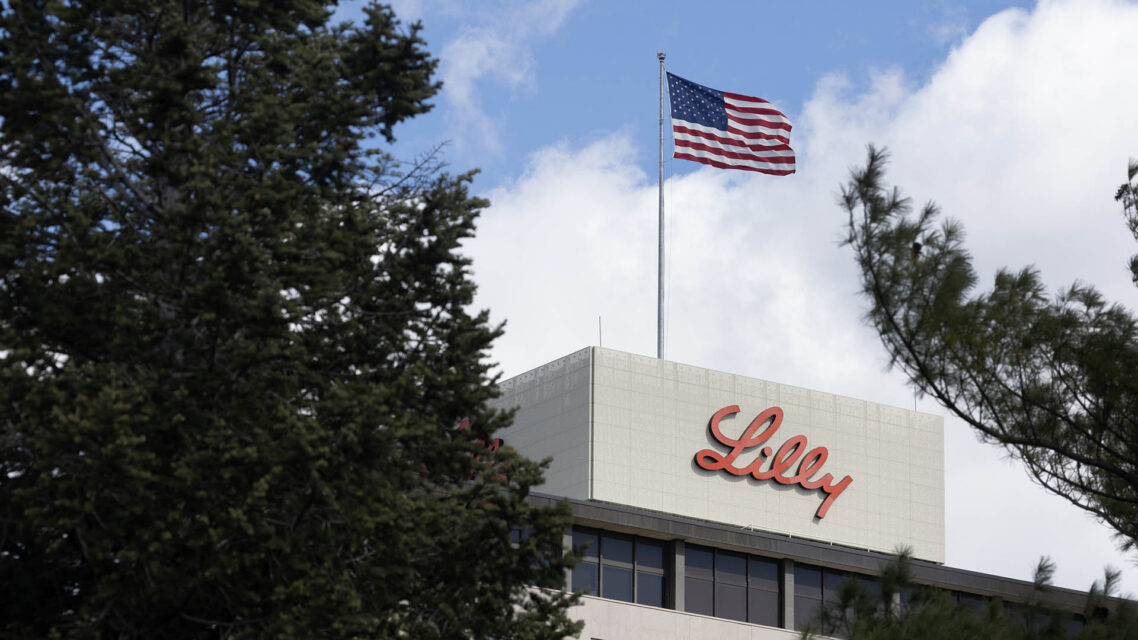
A flag flies above the headquarters campus of Eli Lilly in Indianapolis, Indiana. Image: Scott Olson/Getty Images
Neither Lilly nor Pharmstandard responded to requests for comment. Bidding systems are supposed to secure the lowest possible price for the government. And in many countries, a drug’s official list price is considerably higher than the net price ultimately paid by insurers and government programs. But in Russia, the whistleblower reports allege, distributors often obtained single-participant or noncompetitive awards for medicine. As a result, the price of cancer and other high-cost medicines could end up even higher than the list price. For example, between 2019 and 2023, Tagrisso, a medication used to treat adults with non-small cell lung cancer, had a list price of about $3,000-$3,500 for a box of 30 tablets. Yet the whistleblower’s written report about Tagrisso’s manufacturer, U.K.-based AstraZeneca, said so many batches were awarded without competition that a pack of 30 tablets of Tagrisso was sold at slightly above the list price from 2020 to 2023. “The reason for this is that there is no competition,” the whistleblower wrote to AstraZeneca’s audit committee chairman in 2024. Single bidders won in the majority of the Tagrisso bid solicitations.
Indeed, Russian procurement data reviewed by ICIJ shows single-participant bidding in about 95% of Tagrisso bids from 2020 to 2023.
An AstraZeneca spokesperson declined to comment.
The confidential whistleblower reports also describe how distributors allegedly channeled work through sub-distributors — some allegedly shell companies — that provided an extra layer of plausible deniability to mask allegedly improper payments. Proekt says it found at least 100 shell and “front companies” in different regions that entered bids for medicines supplied by Pharmstandard and R-Pharm.
In his statement, R-Pharm’s Ignatiev said the company “participates in procurement procedures independently and does not appoint distributors and/or sub-distributors.”
A review of Russian procurement data by Proekt and ICIJ confirms some details of the whistleblower’s account of cases relating to Kisqali, the best-selling breast cancer therapy made by Swiss giant Novartis. In one case, two distributors submitted the same bid, allowing the first company that entered the auction to win the contract — what the whistleblower’s report called a clear example of bid rigging.
A Novartis representative told ICIJ: “Novartis takes all allegations of misconduct or irregular business practices by its third-party partners very seriously. Regarding the topic in question, Novartis conducted a thorough investigation into the specific activities.”
The whistleblower reports about Novartis and AstraZeneca urged the companies’ audit committees to review why the firms used the distributor Pharmimex to obtain government contracts for oncology and rare drugs.
https://www.icij.org/investigations/cancer-calculus/merck-keytruda-cancer-drug-price/
https://www.icij.org/investigations/cancer-calculus/keytruda-evergreening-patents-merck/
INTERACTIVE How Merck uses patents to help maintain Keytruda’s exorbitant price Apr 13, 2026
Recommended reading OVERVIEW How Merck turned its wonder drug into a blockbuster — and priced out cancer patients worldwide Apr 13, 2026 INTERACTIVE How Merck uses patents to help maintain Keytruda’s exorbitant price Apr 13, 2026 INSURERS ‘They deny the medication that is keeping you alive’: Patients wage grueling legal battles for lifesaving cancer drug Apr 13, 2026
ough noncompetitive awards.
Keytruda public procurement records reviewed by ICIJ show that R-Pharm dominated the public market from 2020 to 2022, winning 2,400 out of nearly 5,000 Keytruda bids (about $360 million worth of contracts out of a total $870 million). A closer look at the data shows that 96% of all bids were with a single participating company.
Keytruda bids won by R-Pharm By others Source: Public procurement records.
But Ignatiev stressed that the firm had a license to be Merck’s local production partner for Keytruda, which was under patent with no competing drug in Russia at the time. “If such local partner holds a license from the patent holder granting it the right to carry out the final stages of production and release quality control, the primary source of supply of that drug can be none other than this local partner,” Ignatiev wrote in reply to ICIJ’s questions.
The whistleblower report said that R-Pharm allegedly funneled some contracts to affiliates “to make it appear on paper that other companies are also winning some of the Keytruda business, even though R- Pharm is controlling everything and has a monopoly on supplying Keytruda to the Russian government.”
Ignatiev noted that Keytruda’s prices in Russia were lower than in many countries, including the U.S. and China. Still, R-Pharm reported revenue of nearly $2.5 billion in 2021, with Keytruda as 25% of its top 10 product revenue mix, according to an investors presentation. And the drug soon became a Russian and global blockbuster, leading public procurement of oncology medicines.
Meanwhile, Repik’s influence grew as he gained direct access to Putin. He had a private working meeting with the president in the Kremlin in December 2021 and again the following year.
But Repik’s Western ties unraveled after Russia invaded Ukraine in February 2022. The U.K., Canada, Australia and Ukraine sanctioned Repik because of his ties to Putin. The oligarch left the company he built as Merck and other Western giants scaled back operations in Russia. Ramping up a campaign to get drugmakers to produce medicines within Russia, Putin began dismantling protections for foreign patent holders, particularly those from “unfriendly countries.”
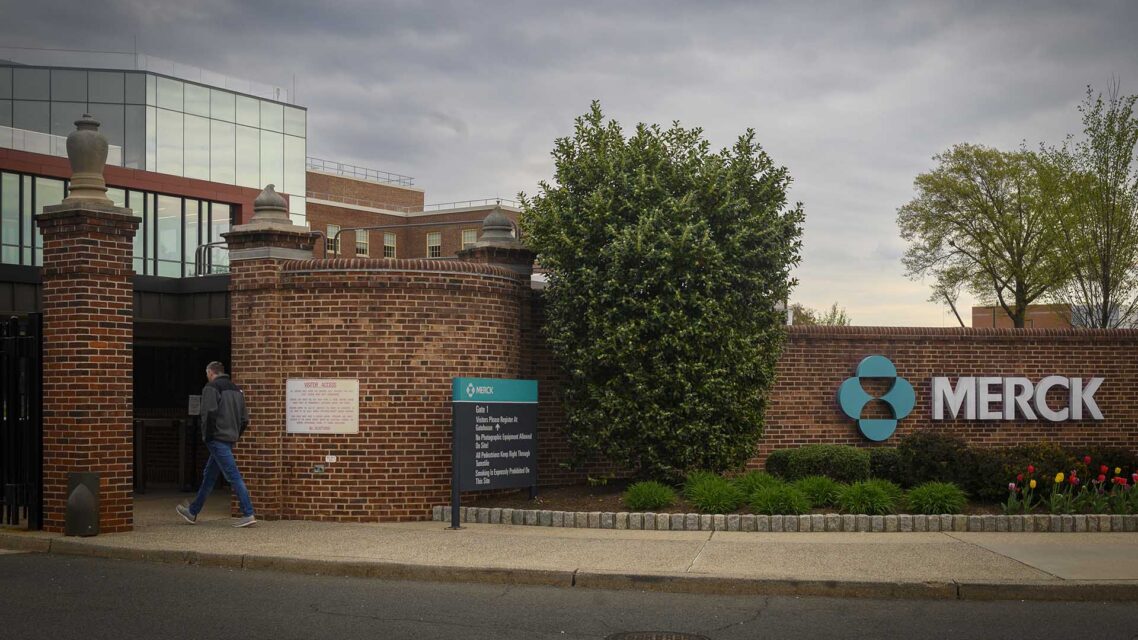
Merck headquarters in Rahway, New Jersey. Image: Christopher Occhicone/Bloomberg via Getty Images
The push led to Russia’s first generic version of Keytruda, Pembroria, manufactured by Biocad and priced at about $1,300 for a single 100 milligram vial. An even cheaper copycat produced by R-Pharm, Arfleyda, hit the market shortly thereafter. Its maximum price: about $1,000 a vial, nearly half the price of Merck’s Keytruda. Merck had lost most of its Keytruda business in Russia.
The whistleblower report included internal Merck emails indicating that the company received the report in July 2024 and that Merck retained the law firm Jones Day to advise it on the allegations. “Merck has engaged us to represent the company in this matter,” Jones Day partner Jordan Matthews wrote in an email that was included in the whistleblower’s report to the SEC.
Matthews did not respond to requests for comment, nor did Merck. The report also said the whistleblower’s claims were submitted to the SEC in November 2024 and would be sent to the Justice Department’s FCPA Unit.
The Trump administration cut back on FCPA enforcement in 2025. The SEC effectively disbanded its FCPA unit, and the U.S. shifted Justice Department prosecutors away from corporate bribery investigations toward cases targeting drug cartels.
Contributors: Roman Badanin, Mikhail Rubin, Kate Reznikova (Proekt); Philipp Albrecht and Timo Kollbrunner (Republik); Agustin Armendariz and Dean Starkman (ICIJ). Data visualization: Antonio Cucho (ICIJ)
Source: ICIJ · 2026-11-02