The company, billing itself as “the next-generation fashion retailer for Millennial and Generation Z consumers,” said a recent hack exposed customer payment card numbers.
Source: The Record · 2026-10-30

The company, billing itself as “the next-generation fashion retailer for Millennial and Generation Z consumers,” said a recent hack exposed customer payment card numbers.
Source: The Record · 2026-10-30
Binance was investigating suspicious transfers that early estimates put at up to $5.8 billion. A day later, multiple media outlets reported that the largest cryptocurrency exchange had linked the theft of about $6.3 billion to a DevOps engineer’s compromised laptop. Billions had moved out of wallets linked to the exchange.
According to The Block, blockchain analyst Spreek identified approximately $3.55 billion in incoming transfers to an initially unidentified wallet.
“Onchain data flagged by analyst Spreek shows about $3.55 billion in incoming transfers to the unlabeled wallet, with nearly $900 million subsequently moved across other wallets.” The Block reports. “Conor Grogan, a senior director and product leader at Coinbase, says the amount is up to $5.8 billion.”
Coinbase executive Conor Grogan initially estimated that the total value of the movements could reach $5.8 billion.
Those figures came from blockchain tracking and differing estimates, so they didn’t necessarily show the amount stolen.
Binance pointed out that customer funds were safe, while co-founder Changpeng Zhao, widely known as CZ, said the activity appeared to be a hack. Zhao no longer manages Binance’s platform, but said he expected customers’ funds to be fully covered.
The company said its user funds were “completely safe.”
“Our teams are aware of reports of a potential security issue and are actively investigating. User funds are completely safe. Our security teams are reviewing all relevant information with urgency, and we will provide updates through official Binance channels as soon as we have verified information.” the company states. “Users should remain cautious of scams and should not trust unofficial links, messages, or requests for account information.”
That assurance is important, but it doesn’t replace a technical explanation of how the transfers occurred or independent confirmation of the final impact.
“Our initial investigation suggests this security incident may have started with a compromised DevOps engineer’s laptop. That gave an attacker access to a service container, where they submitted unauthorized withdrawal transactions.” Binance Co-CEO Richard Teng explained.
“To be clear: the attacker did not simply use one engineer’s permissions, and this was not a single “one-click” action. It involved a more complex attack process. Our investigation has not attributed responsibility to any individual.”
Attackers used access from an engineer’s laptop to reach a service container and send unauthorized withdrawal requests. Binance says it has found no evidence that attackers stole any wallet private keys.
Binance also said it had found “additional points of breach” and was still investigating. Co-CEO Richard Teng said the investigation had not identified anyone responsible. After the attack, Binance suspended deposits and withdrawals to carry out security checks, cancelled the permissions linked to the affected address, and began working with blockchain analysis firms and law enforcement to track the stolen funds.
Binance says it will cover all losses using its SAFU fund and its own money, and that customer funds are safe. The company also plans to publish an updated Proof of Reserves once it has completed the recovery work. This commitment does not replace a detailed technical explanation or independent confirmation of the full impact of the attack.
Binance hasn’t named a culprit, but the blockchain analysis firm TRM has. It attributes the attack to TraderTraitor, a North Korean state-backed unit also tracked as Lazarus Group and APT38, and Chainalysis says it’s highly confident in that finding.
TRM says the attacker moved about $6.36 billion out of Binance wallets on ten blockchains on October 29, most of it in roughly 20 minutes starting at 20:05 UTC. That makes it the largest crypto theft on record, about four times the $1.5 billion Bybit hack of February 2025.
“On October 29, 2026, an attacker moved approximately USD 6.36 billion out of Binance wallets on ten blockchains, most of it in about 20 minutes starting at 20:05 UTC. That makes this the largest crypto theft on record, about four times the USD 1.5 billion Bybit hack of February 2025. Binance has confirmed a security incident and suspended withdrawals on several networks.” TRM said. “TRM attributes the attack to TraderTraitor, North Korea’s elite hacking unit, based on robust on and off-chain intelligence. We make this judgment with high confidence. TRM is tracking the funds and alerting partners through the Beacon Network.”
Freezing the money only went partway. Tether, Circle, Ripple and World Liberty Financial froze about $2.67 billion in stablecoins, and Arbitrum’s Security Council froze 8,426 ETH and 74.6 million ARB, for roughly $2.7 billion in all. But the attacker raced the freezes by selling USDT to market makers and borrowing ETH against USDT on Aave. It now holds more than 420,000 ETH and 18,270 BTC, about $2.4 billion beyond any issuer’s reach.
The early freeze numbers were messy too, Tether and Circle froze approximately $1.79 billion in stablecoins associated with the suspicious transfers in the initial reports. Those amounts describe different moments, and you shouldn’t add them without checking whether they cover distinct assets. A freeze works on tokens that have an issuer to call, and Ether and Bitcoin don’t.
Hot wallets help explain how this type of theft can happen. They store cryptocurrency in systems connected to the internet, allowing exchanges to process withdrawals quickly. But this also makes strong security controls essential. Investigators still need to determine who initiated the transfers, whether they were authorized, whether attackers gained control of the wallets, and whose funds were stolen.
Binance co-founder Changpeng Zhao, who no longer runs the company, said the activity looked like a hack and expected customers to be fully compensated. Large transfers alone do not prove a cyberattack, but the findings that emerged later provided strong evidence of a breach.
Customers also need to be careful. Attackers often exploit the confusion after a major incident by spreading fake announcements, pretending to be support staff, and directing users to fraudulent websites. Use only Binance’s official channels, avoid unexpected links, and never share passwords, authentication codes, or wallet recovery phrases in response to unsolicited messages. Security teams should also watch for phishing emails that use the incident to pressure employees into verifying their accounts.
The lesson goes beyond Binance. A public blockchain records every transaction, but it cannot show who authorized it or how attackers gained access. Blockchain transparency does not guarantee operational security.
Follow me on Twitter: @securityaffairs and Facebook and Mastodon
(SecurityAffairs – hacking, Binance)
Source: Security Affairs · 2026-10-30
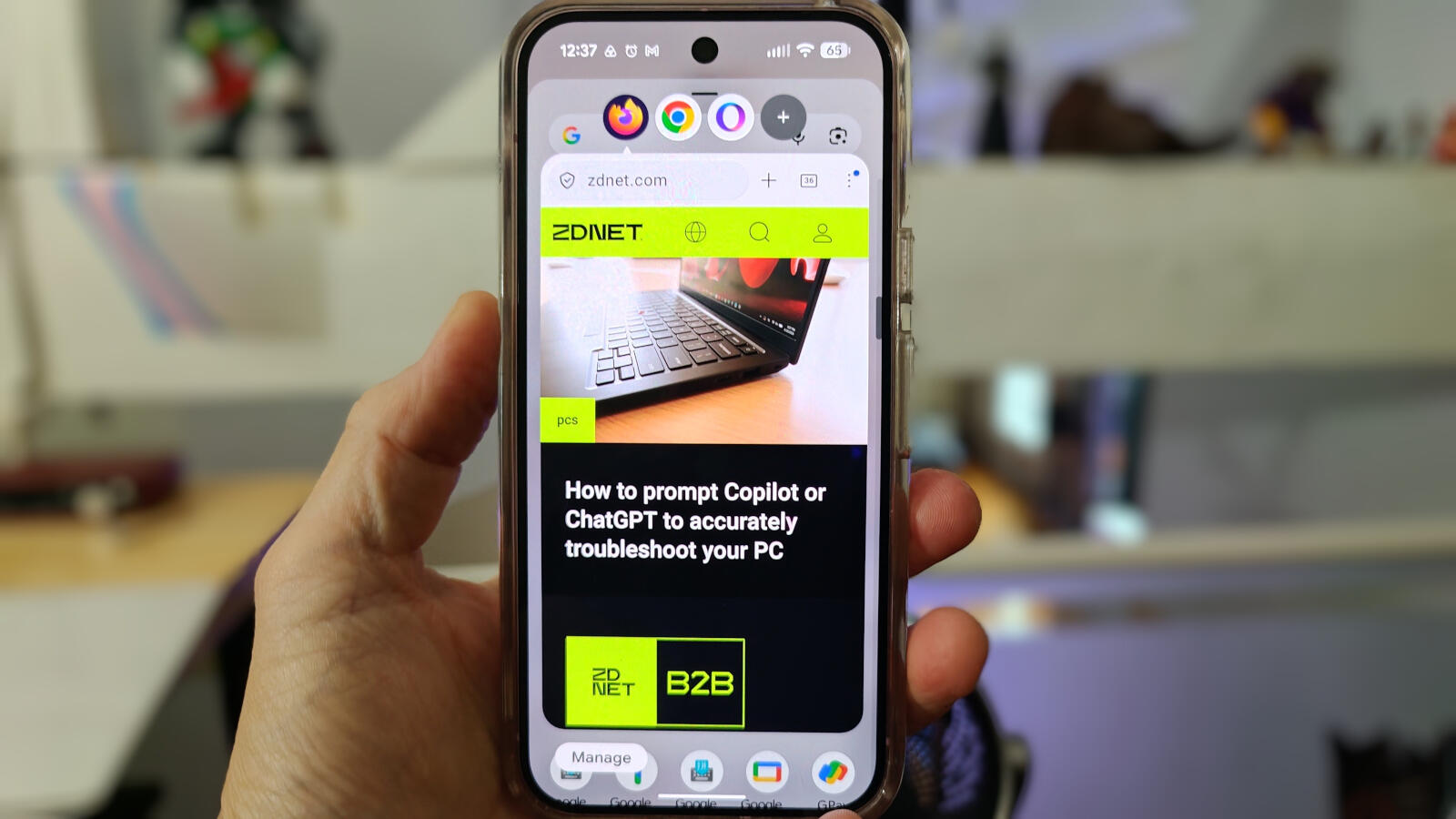
Only a quarter of Android phones have even made it to Android 16.
Source: ZDNet Security · 2026-10-30
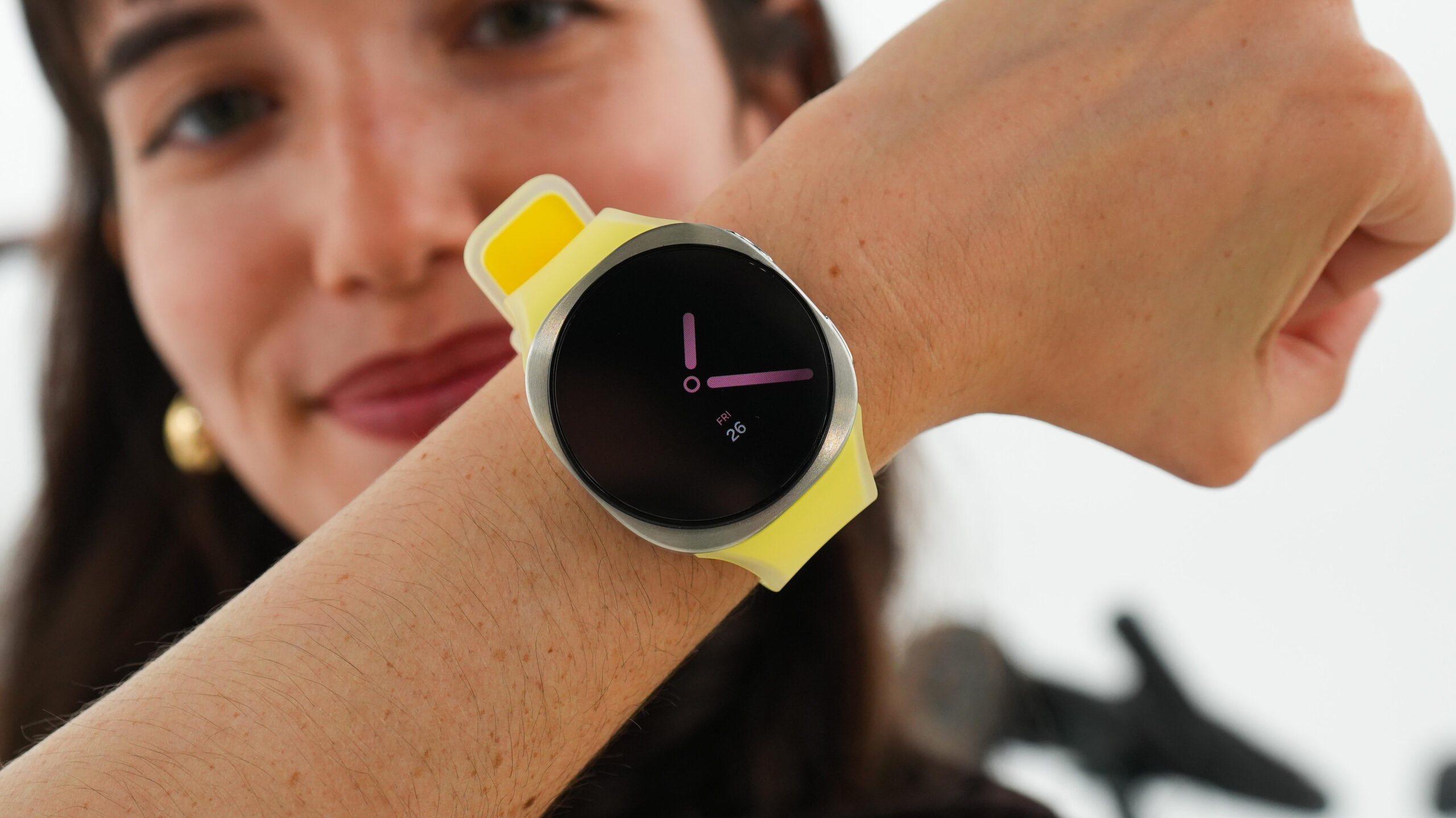
The FDA-approved sleep apnea tracking feature will first come to the Galaxy Watch Ultra 2, Watch 9, and Ring.
Source: ZDNet Security · 2026-10-30
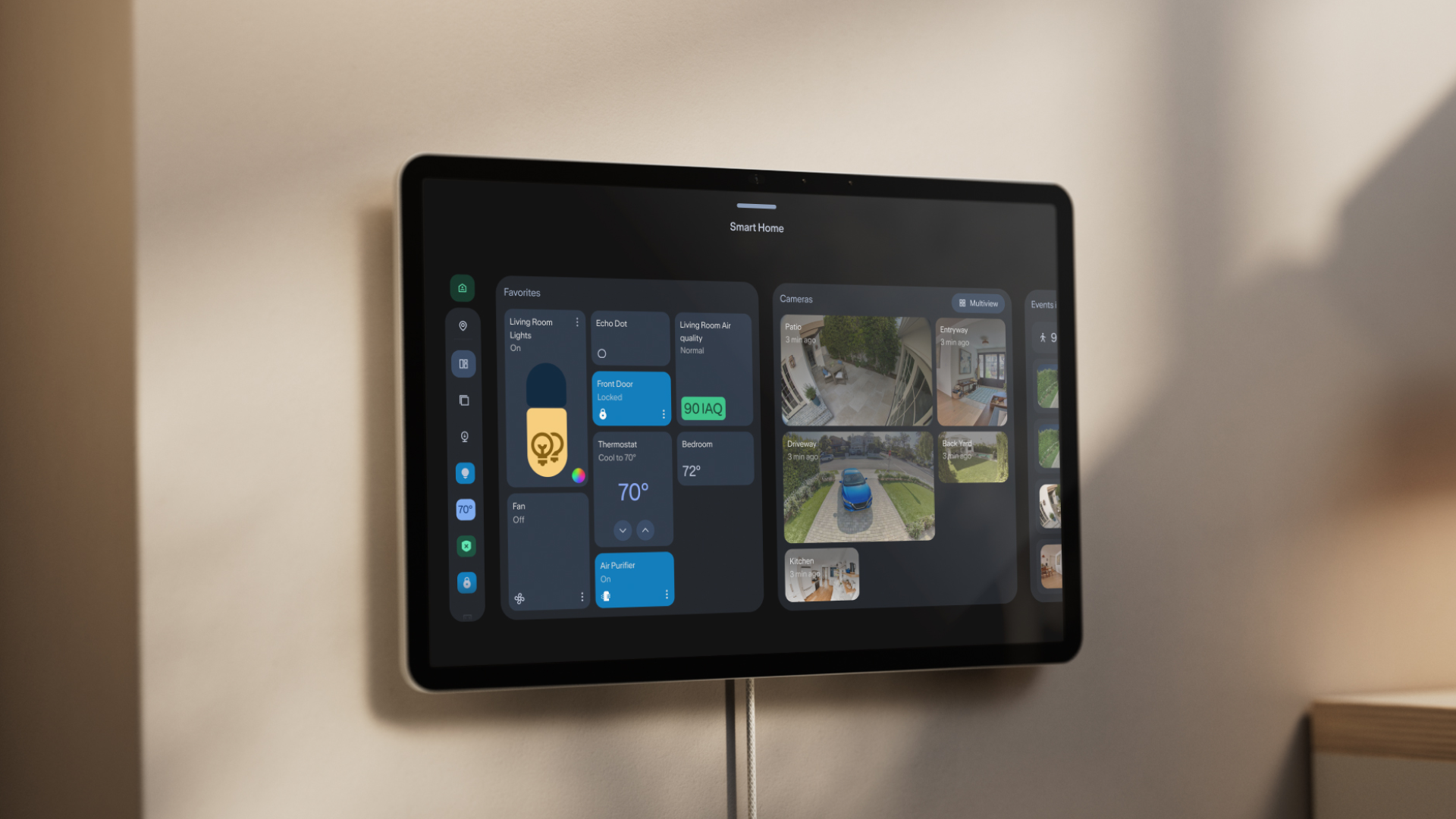
I’m finally ready to upgrade to a smart calendar – and Amazon’s newest Echo device looks like an organizational solution for my family and I.
Source: ZDNet Security · 2026-10-30
Apple has sent new notifications of mercenary spyware infections to almost 100 countries, with recipients including journalists and documentary filmmakers.
“Today’s notification is being sent to targeted users in 99 countries, and to date we have notified users in over 150 countries in total,” the company said. “The extreme cost, sophistication, and worldwide nature of mercenary spyware attacks make them some of the most advanced digital threats in existence today. As a result, Apple does not attribute the attacks or the notice you’re receiving to any specific attackers or geographical regions.”
Apple didn’t immediately respond to a request for comment Friday about the countries targeted. Researchers and groups that work on spyware said the notifications were significant, however.
“This again promises to be an important set of notifications with a bunch of cases, based purely on what we see publicly,” said John Scott-Railton, senior researcher at The Citizen Lab at the University of Toronto. He also posted on social media about how potential victims could defend themselves, warning people to be cautious about companies that offer paid solutions to spyware infections.
He cautioned that the lack of notification doesn’t rule out an infection. The steps Apple recommends, which Scott-Railton seconded, were to enable Lockdown Mode and to get in touch with the digital rights group Access Now.
“The number of Apple threat notifications we are seeing from countries around the world indicates that the fight against the scourge of spyware abuse is far from over,” said Natalia Krapiva, senior tech-legal counsel with Access Now. “While we have increased our capacity to investigate spyware abuse, and companies like Apple have done a lot to notify and protect people from it, repressive states continue to use these powerful surveillance technologies, including against civil society actors and opposition figures.”
Apple sent its last major batch of notifications in August. The notifications frequently lead to victims approaching Access Now, The Citizen Lab and other groups seeking further assistance and prompting deeper investigations.
The notifications come shortly before the final rounds of negotiations over industry standards for commercial hacking tools being developed under the voluntary Pall Mall Process. The industry guidelines follow an earlier set of guidelines catered to governments.
“The states that will ultimately adopt these guidelines must come to terms that the current system is not working, and that the spyware industry must face some real consequences for the uncontrolled sale of these tools and refusal to curb the abuses,” Krapiva said.
Source: CyberScoop · 2026-10-30
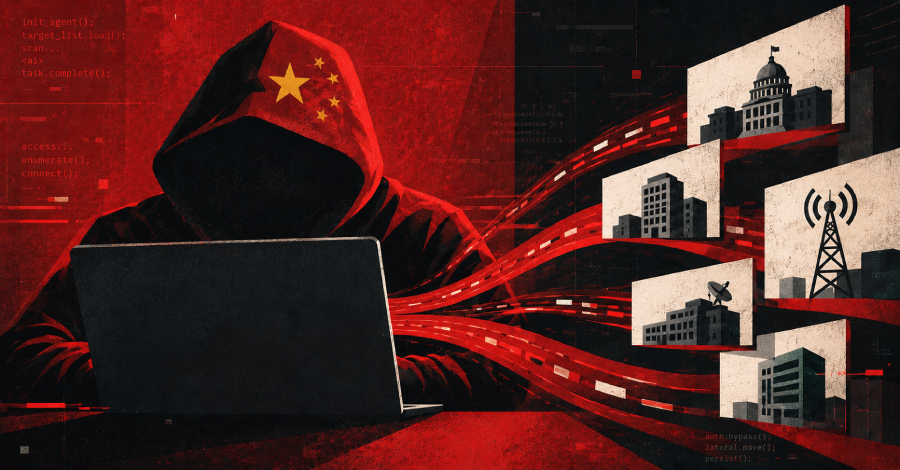
Chinese state-sponsored threat actors have been observed using a Go-based artificial intelligence (AI)-powered penetration testing framework called ARTEX in attacks aimed at high-value targets simultaneously.
The activity has been attributed by CrowdStrike to a China-based “targeted intrusion adversary” it tracks under the moniker Vapor Panda (previously VexatiousTemper). First identified in
Source: The Hacker News · 2026-10-30

A vulnerability in some Netgear routers could allow an attacker with access to your network to run malicious commands on the device.
Source: ZDNet Security · 2026-10-30

General Motors is taking what looks like a light slap on the wrist from a coalition of 35 states and the District of Columbia after agreeing to settle allegations that it collected drivers’ data without proper consent and sold it to data brokers that supplied insurance companies. The Washington state AG’s office said on Thursday that GM had reached a $220 million settlement with 36 attorneys general over the automaker’s collection and sharing of driving data, including precise location information, speed, seatbelt use, and other metrics. According to investigators, GM sold that data to brokers, which in turn supplied it to insurance companies that could use it to set customers’ premiums, without drivers’ informed consent. For reference, the $220 million settlement, which will be distributed among the participating jurisdictions, equates to less than 7 percent of GM’s $3.3 billion in net income attributable to stockholders for its third quarter, which ended on September 30, 2026. Don’t spend it all in one place, y’all. The settlement comes more than two years after a 2024 New York Times investigation found that GM had been selling the data collected from vehicle owners through its Smart Driver program. That program, part of GM subsidiary OnStar’s offering, collected the aforementioned data and handed it back to vehicle owners in reports designed to inform better driving habits. Unbeknownst to Smart Driver subscribers, their data was also being forked over to data brokers despite GM telling customers it wouldn’t share that information with insurers without their express consent. The insurers ultimately obtained the data by purchasing it from brokers with which GM had struck deals. To make matters worse, the Washington AG’s office said GM incentivized dealerships to enroll customers in Smart Driver, with employees in some cases accepting terms and conditions on customers’ behalf without their knowledge or consent. GM also failed to notify many drivers that their information was being collected and shared. Its OnStar app incorrectly told more than 370,000 drivers they were not enrolled in Smart Driver, even as GM continued collecting and selling their data, according to investigators. “The data GM sold was personal, identifiable, and specific,” the AG’s office said. GM canned the Smart Driver program in April 2024, just over a month after the New York Times exposed its data-sharing practices, citing customer feedback. In addition to the monetary pittance it’s handing over to the states, GM also agreed with the 36 AGs to limit the driving data it collects, better protect customer PII, and establish a “comprehensive data privacy program.” The Washington AG’s office described its settlement as “significantly stronger than any other resolution reached with GM for this conduct.” Speaking of those other terms, GM finalized its settlement of the same allegations with the Federal Trade Commission in January 2026. The FTC order required GM to obtain drivers’ express consent before collecting, using, or sharing covered driving data, subject to certain exceptions. It also required the company to offer a simple way for drivers to request a copy of their data, request its deletion, and disable precise geolocation data collection where their vehicles support it. The state of California separately reached a $12.75 million settlement with GM in the matter in May; a separate case in Texas is ongoing. “This agreement … reinforces steps we’ve taken to strengthen our privacy practices,” a GM spokesperson told The Register, though the company noted that it still stands by driver data collection as a best practice. “Safer, more helpful and personalized experiences are enabled by connected vehicle data, and GM is committed to being clear about what information is used, how it’s protected, and the choices customers have about what they share,” the spokesperson added. ®
Source: The Register — Security · 2026-10-30
General Motors is taking what looks like a light slap on the wrist from a coalition of 35 states and the District of Columbia after agreeing to settle allegations that it collected drivers’ data without proper consent and sold it to data brokers that supplied insurance companies. The Washington state AG’s office said on Thursday that GM had reached a $220 million settlement with 36 attorneys general over the automaker’s collection and sharing of driving data, including precise location information, speed, seatbelt use, and other metrics. According to investigators, GM sold that data to brokers, which in turn supplied it to insurance companies that could use it to set customers’ premiums, without drivers’ informed consent. For reference, the $220 million settlement, which will be distributed among the participating jurisdictions, equates to less than 7 percent of GM’s $3.3 billion in net income attributable to stockholders for its third quarter, which ended on September 30, 2026. Don’t spend it all in one place, y’all. The settlement comes more than two years after a 2024 New York Times investigation found that GM had been selling the data collected from vehicle owners through its Smart Driver program. That program, part of GM subsidiary OnStar’s offering, collected the aforementioned data and handed it back to vehicle owners in reports designed to inform better driving habits. Unbeknownst to Smart Driver subscribers, their data was also being forked over to data brokers despite GM telling customers it wouldn’t share that information with insurers without their express consent. The insurers ultimately obtained the data by purchasing it from brokers with which GM had struck deals. To make matters worse, the Washington AG’s office said GM incentivized dealerships to enroll customers in Smart Driver, with employees in some cases accepting terms and conditions on customers’ behalf without their knowledge or consent. GM also failed to notify many drivers that their information was being collected and shared. Its OnStar app incorrectly told more than 370,000 drivers they were not enrolled in Smart Driver, even as GM continued collecting and selling their data, according to investigators. “The data GM sold was personal, identifiable, and specific,” the AG’s office said. GM canned the Smart Driver program in April 2024, just over a month after the New York Times exposed its data-sharing practices, citing customer feedback. In addition to the monetary pittance it’s handing over to the states, GM also agreed with the 36 AGs to limit the driving data it collects, better protect customer PII, and establish a “comprehensive data privacy program.” The Washington AG’s office described its settlement as “significantly stronger than any other resolution reached with GM for this conduct.” Speaking of those other terms, GM finalized its settlement of the same allegations with the Federal Trade Commission in January 2026. The FTC order required GM to obtain drivers’ express consent before collecting, using, or sharing covered driving data, subject to certain exceptions. It also required the company to offer a simple way for drivers to request a copy of their data, request its deletion, and disable precise geolocation data collection where their vehicles support it. The state of California separately reached a $12.75 million settlement with GM in the matter in May; a separate case in Texas is ongoing. “This agreement … reinforces steps we’ve taken to strengthen our privacy practices,” a GM spokesperson told The Register, though the company noted that it still stands by driver data collection as a best practice. “Safer, more helpful and personalized experiences are enabled by connected vehicle data, and GM is committed to being clear about what information is used, how it’s protected, and the choices customers have about what they share,” the spokesperson added. ®
Source: The Register Security · 2026-10-30