Malware Service Report Loader Defense Evasion Anti-Analysis Unverified
Spectator Loader Advertised as FUD Resident Loader With Anti-Analysis and Evasion Features
ServiceSpectator Loader
AV products referenced16
Delivery optionsEXE / MSI / sideload
ContactTox
Severity HIGH
Overview
An actor using the handle “Madrex” is advertising a malware service called Spectator Loader. The Russian-language post describes it as a private resident loader built for long-term persistence, resistance to blocking and evasion of modern security products.
The advertisement claims the service can be delivered through sideloading or installer formats, uses custom obfuscation, anti-sandbox checks and low-level system-call techniques, and is designed to reduce static and behavioral detection. It also advertises remote-management capabilities such as system-information collection, in-memory payload execution, file transfer, process control, registry operations and filesystem management. These are actor claims from the advertisement and have not been independently validated.
Delivery methods advertisedSideloading, EXE, MSI and custom formats
Security products referenced16 consumer AV products
Contact methodTox
Observed date
What the post advertises
Private resident loader
Long-term persistence focus
FUD / low-detection positioning
Sideloading and installer delivery options
Custom metamorphic obfuscation
Anti-sandbox and anti-analysis checks
Claims resistance to static signatures
Claims reduced behavioral detection
Low-level syscall-based execution claims
Traffic imitation / trusted relay claims
System-information collection
In-memory payload execution
File download capability
Execution of multiple file/script formats
Registry manipulation
Process creation and termination
Filesystem management
Operator support advertised
The post also claims its protection stack can detect sandboxes, reverse-engineering tools, hypervisors and virtual machines, and that builds are altered to reduce similarity between samples. These statements are summarized as service claims and are not reproduced as implementation guidance.
The supplied captures show the Spectator Loader advertisement, including FUD claims, antivirus and anti-analysis positioning, obfuscation and sandbox-evasion claims, network-resilience claims, remote-management features and a Tox contact identifier.
IOCs & identifiers
Identifiers directly visible in the supplied material. These support correlation and do not independently verify the advertised capabilities.
No malware hash, Session ID, Telegram handle, attacker-controlled domain or attacker-controlled IP address is visible in the supplied screenshots.
Mapped techniques
Claimed identifies behavior explicitly advertised by the actor. Inferred identifies an analytical mapping supported by the supplied material. Neither label means the capability has been independently validated.
Defense Evasion T1027 Obfuscated Files or Information Claimed The advertisement explicitly promotes custom obfuscation and build-to-build variation intended to reduce static detection.
Defense Evasion T1497 Virtualization/Sandbox Evasion Claimed The post claims the loader can detect sandboxes, virtual machines, hypervisors and reverse-engineering environments.
Command and Control T1105 Ingress Tool Transfer Inferred The advertised management feature set includes downloading files to the compromised host.
Potential impact
If the advertised capabilities are genuine, Spectator Loader could provide operators with a stealth-focused foothold that supports payload delivery, in-memory execution, file transfer, process control, registry modification and filesystem access. Its anti-analysis and evasion claims could also increase the time required for defenders to identify and investigate malicious activity.
Status Unverified
Dark Web Informer has not independently verified the loader’s detection-evasion claims, supported delivery methods, anti-sandbox behavior, network resilience or remote-management functionality. The supplied screenshots document the advertisement and visible contact information only.
Want everything on this threat? Paid subscribers get the full unredacted claim details and more. After subscribing, check out the threat feed and search there for this alert.
Keep every secret key (OpenAI sk-, Stripe sk_live_, a Supabase service-role token) in a server-side function or backend workflow, never in a client-accessible field.
Use only the browser-safe variants on the front end, publishable and anon keys, and enforce access with Supabase row-level security, Firebase rules, and API key restrictions.
Rotate any key that has ever sat on the client side, and treat it as already compromised.
Read your own page source before you ship, and search it for sk-, sk_live_, service_role, and hooks.slack.com. If you find them, so can anyone.
For SOCs and defenders:
Monitor public code and newly registered domains for your own keys and webhooks; don’t just paste sites.
Treat a secret found on one domain of a template fleet as exposed on all of them, and scope the response to the fleet, not the domain.
2,172 sites carried Google API keys, which matter only if they are unrestricted.
1,461 sites exposed a Supabase or Firebase backend address, which is a real exposure only when that backend’s rules are open.
Filtering those out is why the confirmed count is 35, not several thousand. Table 1 breaks the 35 down by type. The values stay withheld, and a few sites appear under more than one row.
Exposure
Sites
What an attacker gains
OpenAI API key
5
Spend the owner’s balance, exhaust quota, run up the bill
Shared Slack webhook
13
Post arbitrary messages into the operator’s workspace
Stripe secret key
6
Full API access: charges, refunds, customer and payout data
Supabase service-role JWT
4
Full read/write to the backend database, bypassing access rules
AWS access key
5
Cloud account access, scope set by the paired secret
GitHub token / Google OAuth secret
2
Source-control or identity-provider access
Table 1 – Confirmed private-credential exposures across 22,306 AI-built sites, by type.
What an attacker can do with these
Every credential in Table 1 is a working key to a live account. An attacker reads a public web page, copies a value, and calls an API. Here is what that buys them, key by key.
OpenAI and other LLM keys: Run inference on the victim’s account until the bill or rate limit stops them. On a metered account, that is direct financial loss; on a funded one, it is a free, anonymous model endpoint that the attacker can point at anything, billed to the victim and running under their quota and identity.
Stripe secret key; Drive the victim’s payment account through Stripe’s own API: create and refund charges, push the account toward fraud, and pull the customer list, email addresses, and payout history. One key is a money problem and a data-breach problem at once.
Supabase service-role token: Read and write the entire production database, past whatever row-level security the app configured. That means stealing every user record, altering or deleting data, and planting content the app will serve back to its own visitors.
Slack incoming webhook: Post into the operator’s own Slack as if from inside. Flooding a channel is a nuisance case; the real risk is internal phishing.
AWS access key: With the paired secret and enough permission, reach into the owner’s cloud: spin up resources (crypto-mining is the usual first move), read storage buckets, or pivot further in.
GitHub token or OAuth secret: Read or push to the owner’s source repositories or misuse their identity integration.
One exposure counts many times over. When the key sits on a cloned fleet, it is live on every domain in that fleet, so an attacker who finds it on one site has compromised all of them.
Conclusion
AI app-builders made it almost free to publish a website, and just as free to clone one, and most of what they produce is worth nothing to steal.
The exceptions are what we went looking for. A small, steady set of these sites hand over the key that runs them, and when an operator copies one site across a fleet, the leak rides along to every domain.
Against the millions of domains registered each month, the number is tiny, but every hit is a live account an attacker can reach and exploit just by opening the page.
If you build on these tools, read your own shipped code before you publish it. If you defend an organization, assume your keys may surface on sites you never built and look for them.
Cyble’s Threat Intelligence Platformscontinuously monitor emerging threats, infrastructure, and activity across thedark web,deep web, and open sources.This proactive intelligence empowers organizations with early detection, impersonation, infrastructure mapping, and attribution insights. Altogether, these capabilities provide a critical head start in mitigating and responding to evolvingcyber threats.
Our Recommendations
For developers and AI-builder users:
Keep every secret key (OpenAI sk-, Stripe sk_live_, a Supabase service-role token) in a server-side function or backend workflow, never in a client-accessible field.
Use only the browser-safe variants on the front end, publishable and anon keys, and enforce access with Supabase row-level security, Firebase rules, and API key restrictions.
Rotate any key that has ever sat on the client side, and treat it as already compromised.
Read your own page source before you ship, and search it for sk-, sk_live_, service_role, and hooks.slack.com. If you find them, so can anyone.
For SOCs and defenders:
Monitor public code and newly registered domains for your own keys and webhooks; don’t just paste sites.
Treat a secret found on one domain of a template fleet as exposed on all of them, and scope the response to the fleet, not the domain.
Cyble scanned 1.3M+ newly registered domains and found AI-built sites leaking live secrets to the browser: OpenAI keys, Stripe keys, and database tokens.
Spinning up a website no longer takes a developer. A prompt to an AI app-builder returns a working, styled, deployable site in minutes, and when one template works, the same operator clones it across a dozen domains before launch. That is also how secrets end up in plain sight.
Over a month, Cyble Research and Intelligence Labs (CRIL) scanned more than 1.3 million newly registered domains, identified the ones built by AI app-builders, and read their public front-end code for exposed credentials. We built our own classifiers to spot AI-generated websites as they are registered, paired with a scanner that pulls exposed keys and credentials straight from their public code. On 35 of the 22,306 AI-built sites we identified, a genuinely private secret was sitting in the browser: live OpenAI keys, Stripe secret keys, backend database tokens, and, in several cases, a single credential cloned across a whole fleet of domains.
Thirty-five is a small number, since counting every key-shaped string on an AI-built site is easy and misleading, as most are meant to be in the browser; a single reCAPTCHA key appeared on thousands of sites. We kept only the credentials that are never supposed to leave a server. Those are the findings below.
This report walks through the two leak patterns we observed, what appears exposed, what an attacker can do with these keys, and how to shut down the exposure.
AI-built Websites are leaking the keys that power them
An AI-built site generates its content with a Large Language Model (LLM), and the key to that model often ships in the page the visitor downloads. That is the plainest pattern we found, and the most on-the-nose.
Five AI-built sites carried live OpenAI API keys in their client-side code, sixteen distinct keys across them, and four of the five are confirmed AI-generated. One AI-writing site stands out on its own: it shipped twelve different OpenAI keys, one per content category, as plain values in its bundle. Figure 1 shows a single entry, with the key masked.
Figure 1 – Live OpenAI keys embedded as plain values in an AI-writing site’s JavaScript (key masked by CRIL).
A handful of sites, but each key is sensitive to exposure. An OpenAI secret key is a billing credential: anyone who reads the page can spend the owner’s balance, exhaust the rate limit, or run the bill up until someone notices and revokes it. Twelve keys in one bundle are twelve live credentials shipped at once, and five sites like this are five accounts an attacker can exploit.
Clone-and-leak: one secret across a whole fleet
An AI builder makes the hundredth site as cheap as the first, so an operator clones a working template across many domains, and whatever secret sat in the template now sits on every copy. We saw this in two shapes.
A Slack webhook shared across a 13-domain fleet. Thirteen near-identical domains, each a short word (ask, call, chat, get, hello, hey, hi, its, join, let, meet, my, see), glued to one brand, all served the same client bundle, and all embedded the same live Slack incoming-webhook URL. Figure 2 shows the URL in the shipped bundle, masked.
Figure 2 – One Slack webhook shared across a 13-domain fleet, in each site’s shipped bundle (secret and workspace IDs masked).
Anyone who can read the page can post messages to the operator’s Slack workspace via that webhook. That works for spam, for phishing aimed at the operator’s own staff, or for flooding a channel.
One Stripe secret key across four domains and two brands. A single Stripe secret key appeared on four domains under two separate brand names. The same sk_live_ value across all four points to one operator, or one shared Stripe account, behind every site. Figure 3 shows the assignment.
Figure 3 – The same live Stripe secret key reused across four domains under two brands.
A Stripe secret key provides full API access to the account, including the ability to create charges, issue refunds, and read customer and payout records. That one key exposes the operator’s whole payment account on every domain in the fleet.
The 13-domain Slack fleet runs on Bubble, a no-code and AI app builder, as confirmed by Bubble’s x-bubble-perf response header and client markers. Bubble serves each app from a dynamic.js bundle, and any value a developer places in a client-accessible field ships inside that bundle in plain text. The Stripe cluster runs on a Next.js build instead, which shows that the pattern spans builders rather than tracing to a single platform.
What else is exposed
Four AI-built sites exposed a Supabase service role JSON Web Token (JWT) on their front ends. A service-role token bypasses row-level security and grants full read and write to the project database. In terms of impact, it sits at the top of the set because it opens the entire backend rather than a single service.
Most of the remaining secret-looking strings on AI-built sites carry no/minimal exposure.
2,172 sites carried Google API keys, which matter only if they are unrestricted.
1,461 sites exposed a Supabase or Firebase backend address, which is a real exposure only when that backend’s rules are open.
Filtering those out is why the confirmed count is 35, not several thousand. Table 1 breaks the 35 down by type. The values stay withheld, and a few sites appear under more than one row.
Exposure
Sites
What an attacker gains
OpenAI API key
5
Spend the owner’s balance, exhaust quota, run up the bill
Shared Slack webhook
13
Post arbitrary messages into the operator’s workspace
Stripe secret key
6
Full API access: charges, refunds, customer and payout data
Supabase service-role JWT
4
Full read/write to the backend database, bypassing access rules
AWS access key
5
Cloud account access, scope set by the paired secret
GitHub token / Google OAuth secret
2
Source-control or identity-provider access
Table 1 – Confirmed private-credential exposures across 22,306 AI-built sites, by type.
What an attacker can do with these
Every credential in Table 1 is a working key to a live account. An attacker reads a public web page, copies a value, and calls an API. Here is what that buys them, key by key.
OpenAI and other LLM keys: Run inference on the victim’s account until the bill or rate limit stops them. On a metered account, that is direct financial loss; on a funded one, it is a free, anonymous model endpoint that the attacker can point at anything, billed to the victim and running under their quota and identity.
Stripe secret key; Drive the victim’s payment account through Stripe’s own API: create and refund charges, push the account toward fraud, and pull the customer list, email addresses, and payout history. One key is a money problem and a data-breach problem at once.
Supabase service-role token: Read and write the entire production database, past whatever row-level security the app configured. That means stealing every user record, altering or deleting data, and planting content the app will serve back to its own visitors.
Slack incoming webhook: Post into the operator’s own Slack as if from inside. Flooding a channel is a nuisance case; the real risk is internal phishing.
AWS access key: With the paired secret and enough permission, reach into the owner’s cloud: spin up resources (crypto-mining is the usual first move), read storage buckets, or pivot further in.
GitHub token or OAuth secret: Read or push to the owner’s source repositories or misuse their identity integration.
One exposure counts many times over. When the key sits on a cloned fleet, it is live on every domain in that fleet, so an attacker who finds it on one site has compromised all of them.
Conclusion
AI app-builders made it almost free to publish a website, and just as free to clone one, and most of what they produce is worth nothing to steal.
The exceptions are what we went looking for. A small, steady set of these sites hand over the key that runs them, and when an operator copies one site across a fleet, the leak rides along to every domain.
Against the millions of domains registered each month, the number is tiny, but every hit is a live account an attacker can reach and exploit just by opening the page.
If you build on these tools, read your own shipped code before you publish it. If you defend an organization, assume your keys may surface on sites you never built and look for them.
Cyble’s Threat Intelligence Platformscontinuously monitor emerging threats, infrastructure, and activity across thedark web,deep web, and open sources.This proactive intelligence empowers organizations with early detection, impersonation, infrastructure mapping, and attribution insights. Altogether, these capabilities provide a critical head start in mitigating and responding to evolvingcyber threats.
Our Recommendations
For developers and AI-builder users:
Keep every secret key (OpenAI sk-, Stripe sk_live_, a Supabase service-role token) in a server-side function or backend workflow, never in a client-accessible field.
Use only the browser-safe variants on the front end, publishable and anon keys, and enforce access with Supabase row-level security, Firebase rules, and API key restrictions.
Rotate any key that has ever sat on the client side, and treat it as already compromised.
Read your own page source before you ship, and search it for sk-, sk_live_, service_role, and hooks.slack.com. If you find them, so can anyone.
For SOCs and defenders:
Monitor public code and newly registered domains for your own keys and webhooks; don’t just paste sites.
Treat a secret found on one domain of a template fleet as exposed on all of them, and scope the response to the fleet, not the domain.
Cutlers Hill Surgery, une clinique médicale à Halesworth, a signalé un incident de cybersécurité affectant ses systèmes de commande de médicaments. Cet incident pourrait entraîner des retards dans la réception de certains traitements, obligeant la clinique à explorer des fournisseurs alternatifs pour minimiser les perturbations.
Quest Diagnostics a signalé un accès non autorisé à son système Quanum-LSM, utilisé pour les commandes de tests et la consultation des résultats. Cette cyberattaque a entraîné l’atteinte de dossiers de patients.
Une attaque par rançongiciel (ransomware) a contraint le district scolaire de Oneonta City à fermer les écoles et à ajuster les horaires pour les élèves et le personnel. Les autorités travaillent avec des professionnels pour gérer l’incident, mais l’étendue complète des dégâts n’est pas encore connue.
Security teams have more vulnerability data at their disposal than ever. But even the best intelligence has limited value if teams can’t determine where those vulnerabilities exist within their own environment.
For many organizations, that visibility remains a challenge. Asset inventories, scanners, and ticketing systems provide valuable information, but connecting those insights with real-world exploit activity isn’t always straightforward. And as environments evolve, undocumented assets, forgotten infrastructure, and newly exposed systems can introduce risks that traditional inventories may miss.
Flashpoint External Attack Surface Management (EASM) helps close that gap by connecting continuous discovery of internet-facing assets with Flashpoint’s threat-informed Vulnerability Intelligence. With coverage of more than 480,000 vulnerabilities, including over 105,000 not found in NVD or CVE, Flashpoint provides context on active exploitation, exploit maturity, and ransomware risk through its patented Ransomware Risk model. Together, these capabilities help teams identify which exposures warrant the most immediate attention.
What is EASM? External Attack Surface Management (EASM) is the continuous discovery and monitoring of an organization’s internet-facing assets, including domains, subdomains, IPs, and infrastructure that isn’t formally tracked. It gives security teams visibility into what’s exposed to the internet, whether or not that infrastructure was deliberately set up or documented.
How EASM Extends Vulnerability Prioritization to Your Full Environment
EASM continuously discovers internet-facing assets associated with an organization, including domains, subdomains, IP addresses, and infrastructure that may not appear in existing inventories. This could include a subsidiary’s infrastructure following an acquisition, a forgotten staging environment, or a cloud instance that remains active long after a project ends.
With Flashpoint EASM, discovered assets enter a triage queue organized by relevance, helping teams focus on assets that warrant further investigation. Once ownership is confirmed, Flashpoint maps those assets against its Vulnerability Intelligence to identify vulnerabilities associated with the software versions running on them.
Findings are prioritized using Flashpoint KEV, EPSS, and Ransomware Risk scores. Asset-level details also show the products and versions responsible for identified exposures, along with potentially high-risk open ports such as RDP and SSH. This gives teams the context they need to assess risk and determine where remediation should begin.
Example Scenario
Consider a development team that deploys a staging server running an outdated web framework. The project ends, but the server remains online and is never added to the organization’s asset inventory.
Flashpoint EASM discovers the server and shows how it connects to the organization’s infrastructure. Once the team confirms ownership, Flashpoint Vulnerability Intelligence identifies an actively exploited CVE affecting the framework version.
The team can now investigate an exposure that might otherwise have gone unnoticed and prioritize remediation based on evidence of active exploitation.
Why This Matters More in Regulated Industries
For organizations in heavily regulated industries such as financial services and healthcare, incomplete asset visibility can introduce additional compliance and security risks. Requirements under frameworks and regulations such as GLBA and HIPAA make maintaining appropriate safeguards especially important. An unknown, internet-facing asset with an exploitable vulnerability can create exposure regardless of whether it appears in the organization’s CMDB.
Mergers and acquisitions can complicate this further. Acquired organizations bring infrastructure that security teams may have limited visibility into, including assets that have not yet been incorporated into existing monitoring processes.
Continuous external asset discovery helps teams identify and assess that infrastructure earlier, reducing reliance on periodic audits or manual inventory updates to uncover potential exposures.
Discovery and Prioritization, Built Into One Platform
When attack surface discovery and vulnerability intelligence operate in separate systems, security teams may need to manually correlate asset inventories with vulnerability findings. That process becomes increasingly difficult as infrastructure changes and new vulnerabilities emerge.
Flashpoint brings these capabilities together in one platform, an approach we call attack surface intelligence. Newly discovered assets can be evaluated against Flashpoint’s Vulnerability Intelligence, giving teams access to threat-informed prioritization within the same workflow.
For teams already using Flashpoint Vulnerability Intelligence, EASM can be added as a module within the existing Ignite platform, with no separate console to manage. Contact your account team to learn more about adding EASM to your deployment. New to Flashpoint? Schedule a demo to explore how Vulnerability Intelligence and EASM work together to help your team identify and prioritize external exposures.
Frequently Asked Questions
How is EASM different from a vulnerability scanner?
Traditional vulnerability scanners scan assets you already know about and tell them to check, typically from inside the network perimeter. EASM continuously discovers internet-facing assets from the outside, including unknown infrastructure like forgotten test environments and acquired systems, then enriches them with vulnerability intelligence beyond public sources like NVD and CVE. The two are complementary: scanners provide depth on known internal assets, while EASM extends that visibility to what’s exposed externally.
Can EASM help identify compound risk on a single asset?
Yes. The Vulnerable Assets view surfaces how many vulnerabilities are tied to a given asset, so teams can quickly spot assets carrying disproportionate risk and prioritize accordingly, rather than treating every finding as an isolated issue.
If we’re already running Flashpoint Vulnerability Intelligence, do we need a new implementation to add EASM?
No. EASM is a module inside the platform you’re already using. It appears inside the same Ignite workflows your team relies on today, with no separate console or parallel rollout required.
How is EASM priced?
EASM is priced based on company size rather than asset count or seats, so costs are predictable and don’t scale up just because the attack surface grows.
Meishi-KY (Meishi Daren Co., Ltd.) a annoncé que certains de ses systèmes d’information ont été victimes d’une cyberattaque. La société a immédiatement activé son mécanisme de réponse aux incidents de sécurité et fait appel à des experts externes pour l’enquête et la réparation. Selon l’évaluation préliminaire, l’incident n’a pas encore eu d’impact majeur sur les opérations ou les finances de l’entreprise.
COMAPA Victoria a été victime d’une tentative de cyberattaque par rançongiciel (ransomware). Les cybercriminels cherchaient à extorquer une rançon en bloquant les fichiers de l’organisme. Grâce à des sauvegardes à jour, l’institution a réussi à restaurer toutes les données sans effectuer de paiement. COMAPA a assuré que les données personnelles et bancaires des utilisateurs n’ont pas été compromises, car l’organisme ne stocke pas ces informations sensibles.
Richmond Public Schools, en Virginie, a coupé l’accès à Internet suite à un incident de cybersécurité. Des messages ont été reçus par les employés affirmant que le réseau et les informations sensibles étaient compromis, menaçant de publier des données volées. Bien que l’incident soit confirmé, l’attaquant et la nature exacte de l’attaque (rançongiciel ou vol de données) ne sont pas encore identifiés. L’interruption a perturbé les outils d’enseignement en ligne et les fonctions administratives.
TAKKT AG a été victime d’une cyberattaque ciblant des parties de ses systèmes informatiques. Les divisions Industrial & Packaging en Europe et Foodservices en Amérique du Nord sont affectées, entraînant des restrictions significatives sur le traitement des commandes, le service client et les livraisons. L’entreprise a immédiatement mis en œuvre son plan d’urgence et travaille avec des experts en cybersécurité et en forensique informatique pour rétablir le fonctionnement normal.
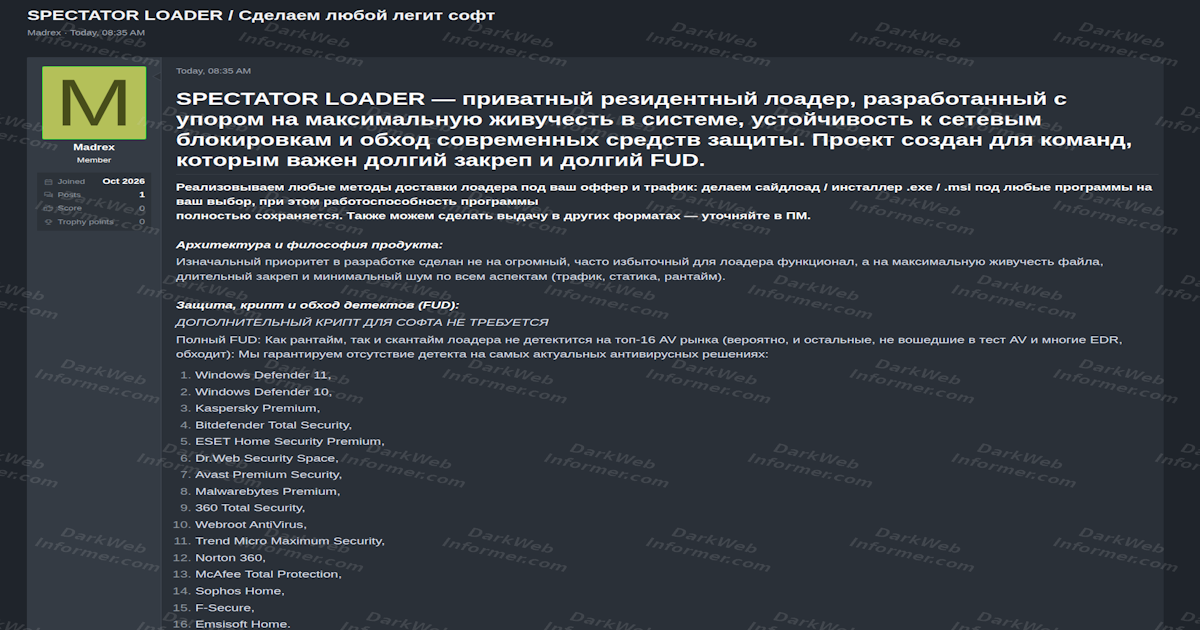
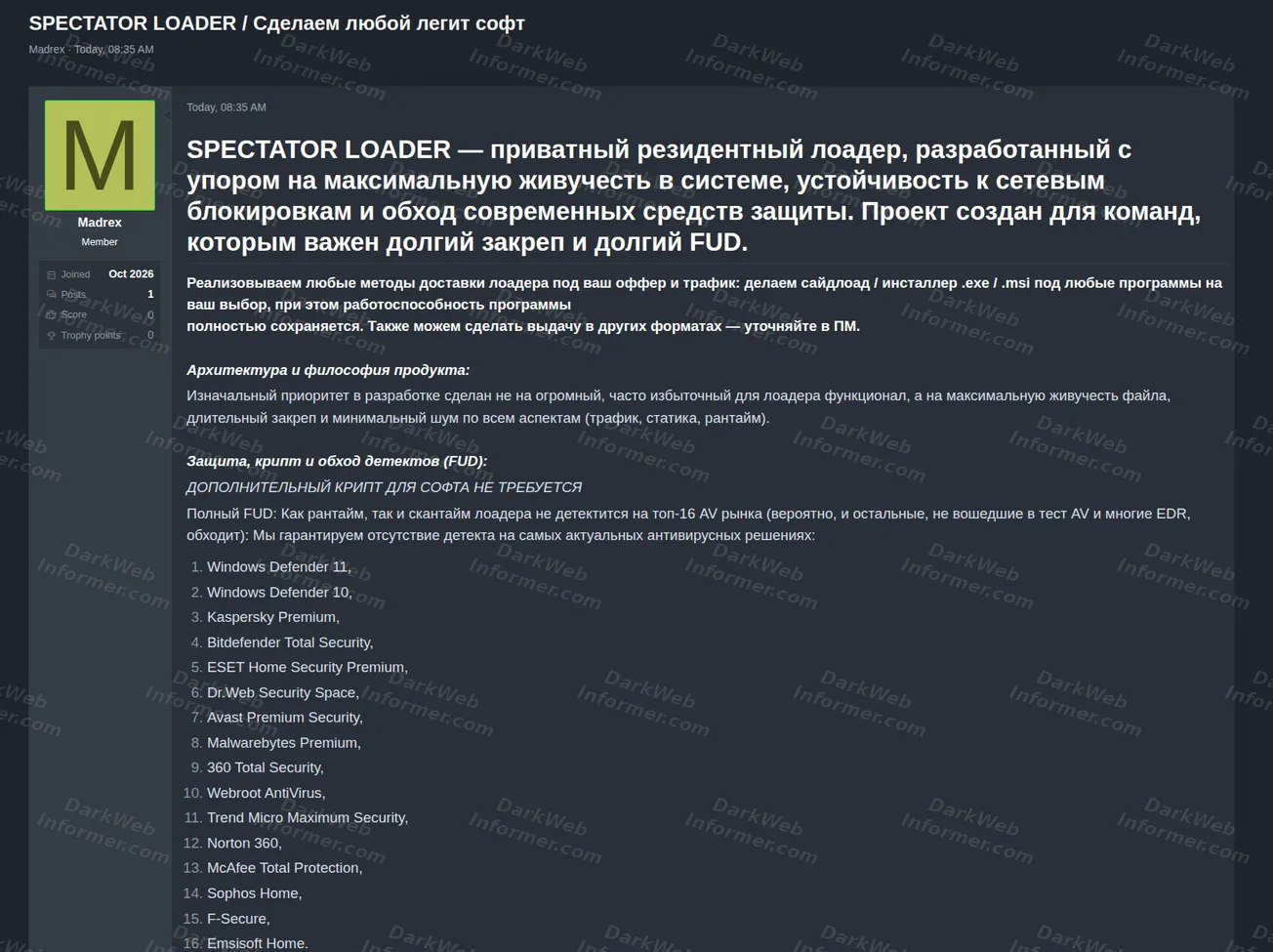
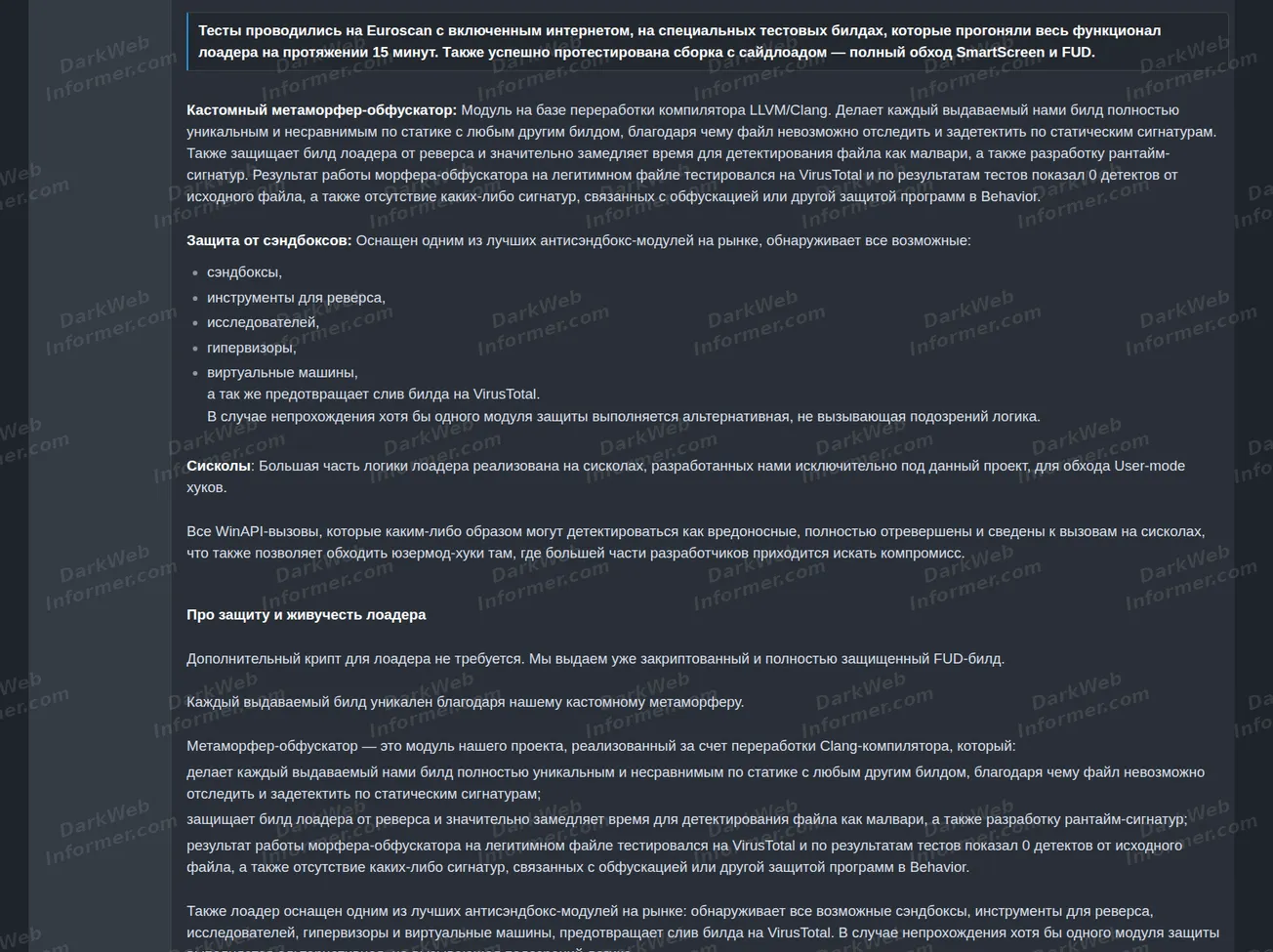
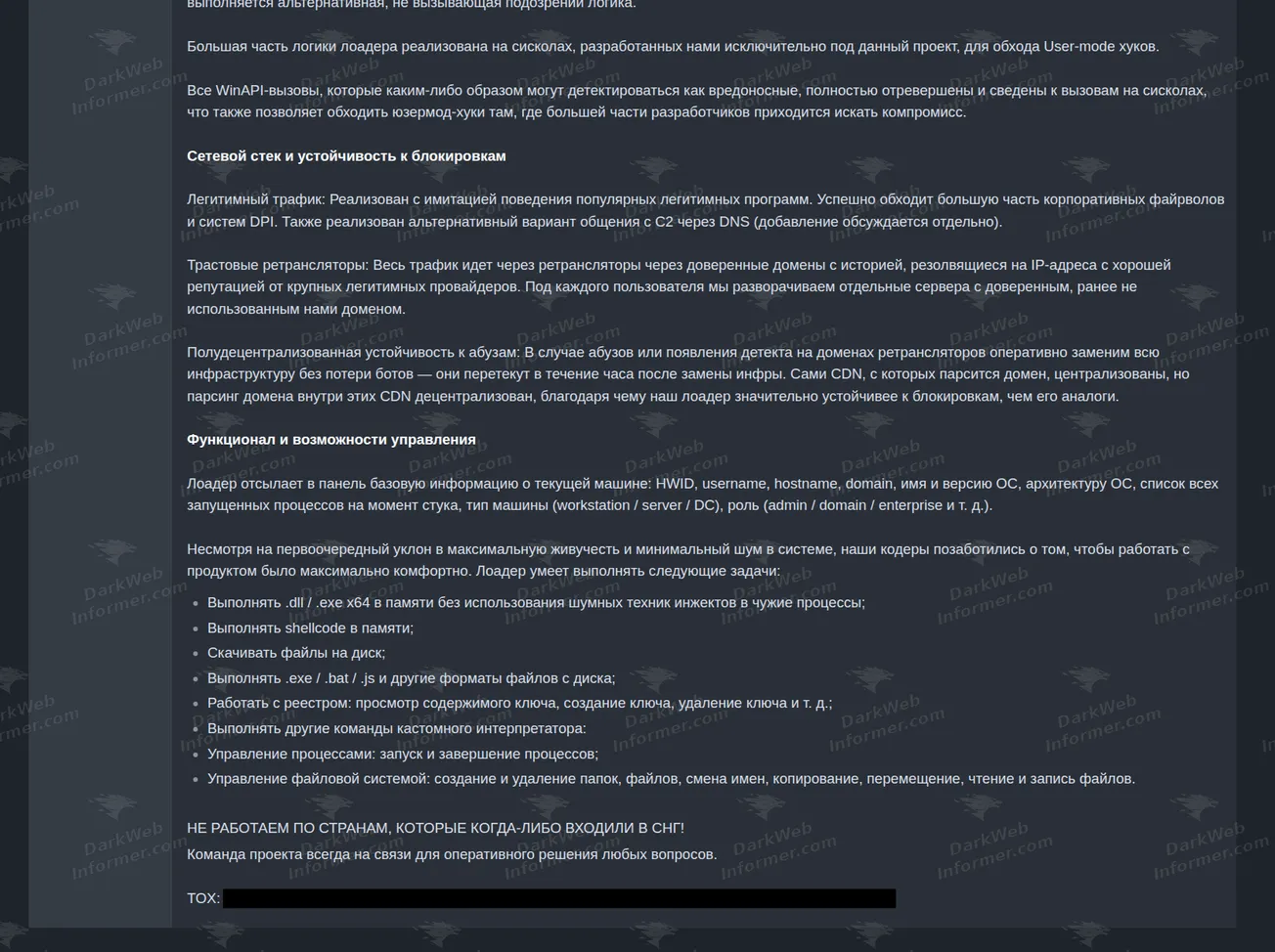



 Table Of Contents
