Tag: Voices

  • Centrist Democrats Would Rather Lose the Senate Than Win With El-Sayed

    Centrist Democrats Would Rather Lose the Senate Than Win With El-Sayed

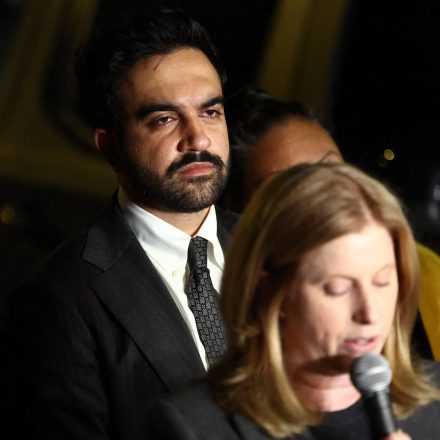
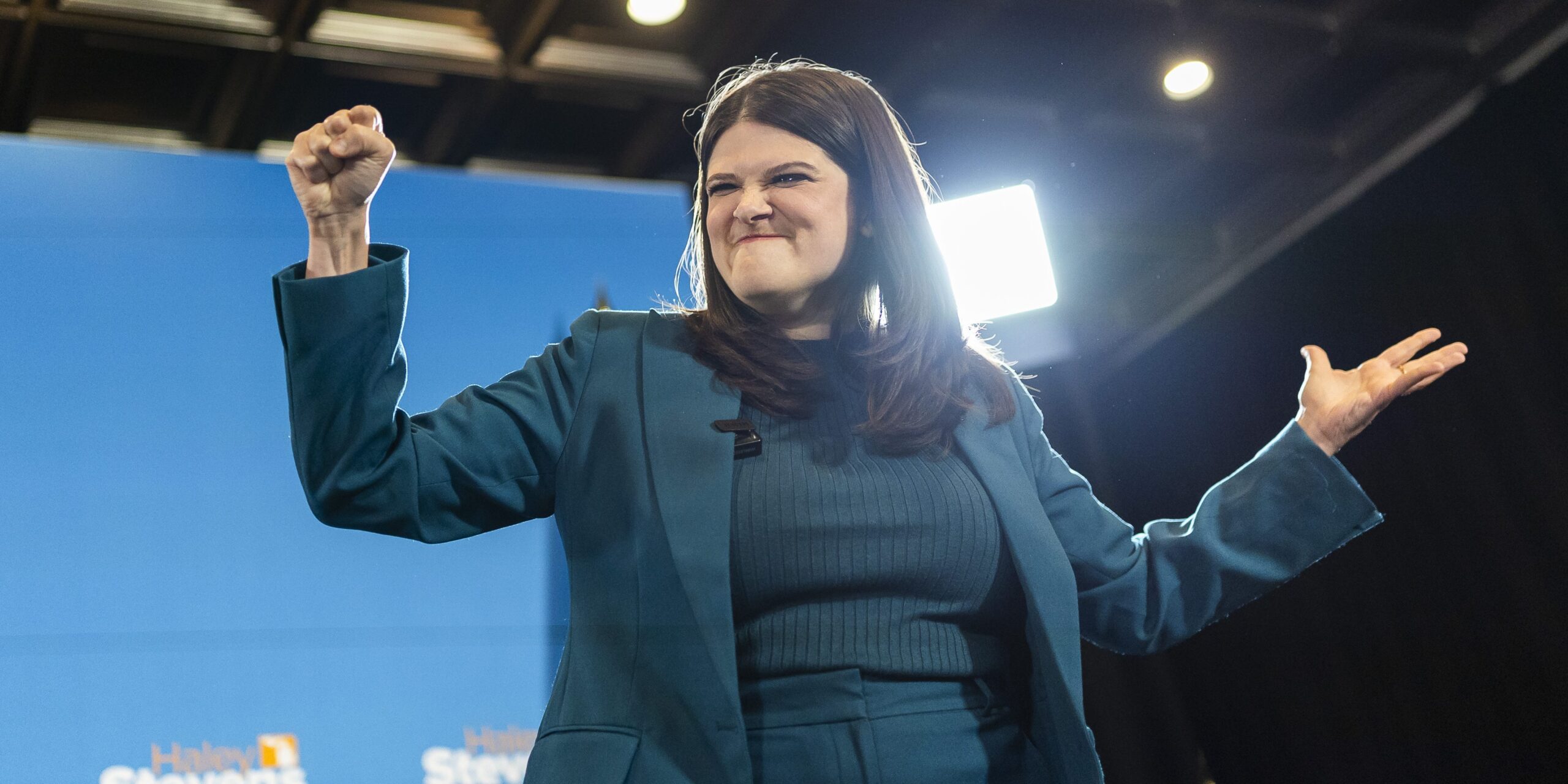
    DETROIT, MICHIGAN - AUGUST 04: U.S. Rep. Haley Stevens (D-MI), candidate for the state's open U.S. Senate seat, speaks during a primary night watch party at the Hotel Saint Regis Detroit on August 04, 2026 in Detroit, Michigan. Stevens is facing Abdul El-Sayed in the Democratic primary to determine who will run against former Republican U.S. Rep. Mike Rogers in the general election. (Photo by Finn Gomez/Getty Images)
    Rep. Haley Stevens, D-Mich., speaks during a primary night watch party at the Hotel Saint Regis Detroit on Aug. 4, 2026. Photo: Finn Gomez/Getty Images

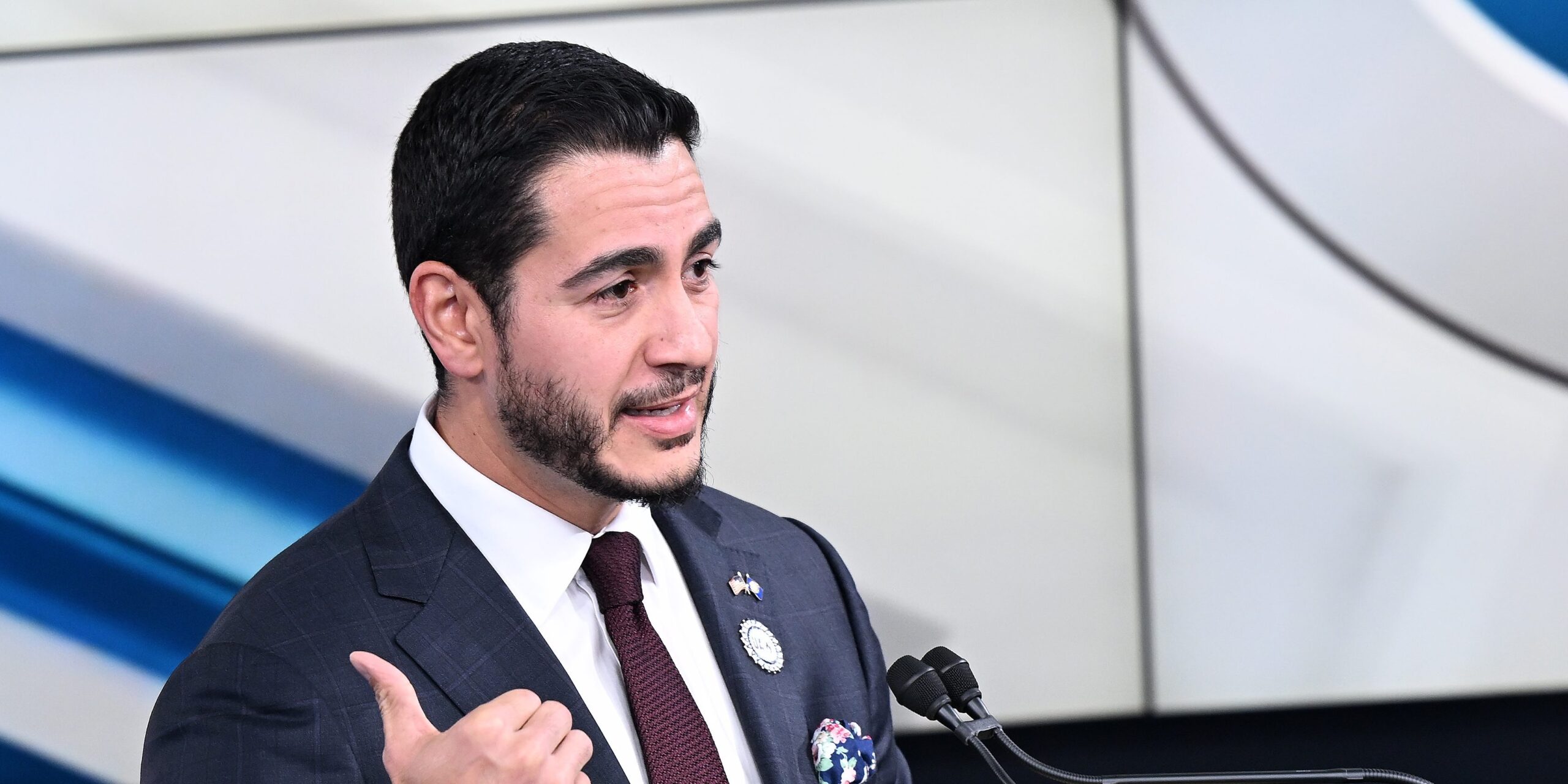
    Halloween weekend is the last chance for centrist Democrats to stop the nightmare they fear most: Michigan’s Abdul El-Sayed, who could be the first Muslim in the Senate. 

    The Michigan Democrat’s campaign came under pressure from party moderates days out from the general election to denounce an ad produced by The Young Turks presenter Cenk Uygur and his Rebellion PAC. El-Sayed and his campaign were not involved in the production or distribution of the ad, which tied rising domestic prices to U.S. financial backing of the Israel military. But on Thursday, the campaign made the conciliatory gesture of distancing itself.

    For centrists, it still wasn’t enough.

    Rather than take the win, Haley Stevens, the House member who lost to El-Sayed in Michigan’s Democratic primary for Senate in August, used that condemnation on Friday as a springboard for a scathing denouncement of her former opponent, framed as a “celebration” of her magnanimous decision to campaign for El-Sayed this weekend alongside Rep. Jim Clyburn, D-S.C. — and laying out conditions for her support with just a few days to go. 

    In the statement, in which Stevens assigned herself the role as spokeswoman for Michigan’s Black and Jewish communities — Stevens herself is a white Protestant — she all but called El-Sayed an antisemite and a bigot attempting to cozy up to the worst of the far right. 

    Related

    The Spirit of “Party Unity, My Ass” Is Back and Coming for the DSA (and El-Sayed)


    “I have learned from Democratic Party leaders and emissaries, as reported in the news media, that Dr. El-Sayed has heard the deep concerns of the Jewish community and is now, for the first time in this campaign, formally condemning that ad for what it is,” Stevens wrote. “That is why I accepted Congressman Clyburn’s invitation to appear with Abdul on Sunday.”

    Stevens’s eleventh-hour ratfuck came after her fiancé Jason Turkish, a political donor who supported incumbent Maine Republican Susan Collins this cycle, as well as other politicians of both parties, announced he’d vote for the Republican candidate, Mike Rogers, on Tuesday. On Friday night, Turkish told TMZ that his fiancee might join him if El-Sayed didn’t accede to her list of demands.

    Establishment Democrats see El-Sayed, and the politics he represents, as an existential threat. It’s not his rather anodyne liberalism in domestic policy — his policy portfolio isn’t far from that of party stalwart Elizabeth Warren — but El-Sayed’s opposition to Israel’s genocide of Palestinians that’s the issue. It’s a major problem for the entrenched, centrist Democrats who have controlled the party for decades and have tamped down any dissent on this issue. 

    Related

    AIPAC Isn’t Retreating. Here’s How It’s Already Shaping the Next Congress.


    Recent polling is likely motivating efforts to ding the El-Sayed campaign. Senate polling from The New York Times/Siena University this week showed South Carolina in a dead heat — an absolute shocker — with Minnesota comfortably in the Democratic corner. CNN polling published on Thursday gave Democrats leads in Texas and Michigan and toss-ups in Maine and Kansas. 

    With a Senate majority on the horizon, centrists need to enforce discipline and regain control. AIPAC is down, but not out; the lobbying group still has a hold on the party, even as voters are moving away from pro-genocide policies. 

    Taking El-Sayed down would be a show of force to keep donors and the party’s right wing happy. If Democrats can win the Senate without him, it would be all the better.

    But the effort may be backfiring as a faction of party elites, led by popular former President Barack Obama, are putting their muscle behind the El-Sayed campaign. Obama has been a steady presence in Michigan, and Clyburn will rally for the candidate on Sunday at the aforementioned event that Stevens was set to attend. 

    Anger is also spreading among party members in the state.

    “I have no idea what the hell Haley Stevens is doing,” Mallory McMorrow, the Michigan state senator who placed third in the August primary, told CNN Friday night. “This is a moment where we have to recognize the stakes.”

    Stevens — who also demanded El-Sayed pull an ad showing far-right broadcaster Tucker Carlson saying he would “never” support the Republican in the race, Rogers — seems undeterred. 

    Given an inch by the campaign’s willingness to publicly mend fences, Stevens took it several miles, using that ad as a way of implying that El-Sayed was, at best, disinterested in the concerns of Black Michiganders.

    This last-minute blitz comes after months of attacks on El-Sayed by centrist Democrats, both before and after his primary win. The smears have been normalized and facilitated by a number of Democrats eager to stay on good terms with the party’s powerful but increasingly marginalized pro-Israel wing. El-Sayed’s connection to the streamer Hasan Piker, who helped get out the vote in the primary, has been a direct and implied slam on the campaign for over half a year from other members of the party. 

    Rep. Nancy Pelosi, D-Calif., on Thursday called opposition to Israel’s existence as an apartheid ethnostate “more than concerning, it’s wrong,” on Donny Deutsch’s podcast, adding, “This new person in Michigan, we’ll see if he gets elected to the Congress.” On CNN Wednesday, New Jersey Sen. Cory Booker — a consistent pro-Israel voice — declined to directly endorse El-Sayed by name. 

    Right-wing Democrats aren’t stupid. They know their influence over the party is at a historic low. The genocide in Gaza has pushed the base away from supporting Israel, perhaps permanently. Supermajorities of Democrats oppose the occupation and sympathize with Palestinians. 

    But the party’s donor class still backs Israel to the hilt and is fomenting a war-on-terror-style Islamophobic bigotry toward Muslims. As Perry Bacon noted on Thursday in The New Republic, party elites attacked then-candidate for New York City Mayor Zohran Mamdani throughout 2025, then picked up where they left off with El-Sayed, the next prominent Muslim Democrat running for office, in 2026. 

    Related

    Mike Rogers Spent $100K on Private Jets and Luxury Travel Last Quarter


    The same Democrats who indulge in the attacks on El-Sayed are making hay out of rejecting more openly bigoted attacks from the likes of President Donald Trump and Rogers. Rep. Dan Goldman — an outgoing pro-Israel Democrat who jumped on the Condemn El-Sayed bandwagon earlier this week — called Republican attacks on El-Sayed “Islamaphobia” [sic] on Thursday; Booker did the same. And Pelosi, just days after her comments on Deutsch’s show, urged Democrats to vote for El-Sayed.

    Voters don’t seem very interested in the back and forth. In a Marist poll of Michiganders released October 21, 95 percent of the state’s Democrats said they support El-Sayed. There’s no split in the party at the state level with respect to the nominee; the fight is at a higher, ideological level with a national stage. 

    As for El-Sayed, he seems done with Stevens and focused on the election. That rally on Sunday? Stevens isn’t wanted there, Politico reported, as the El-Sayed campaign is making clear it would be a distraction. In a statement released Friday evening, the candidate said he is intent on fighting for affordability, defeating the GOP, and making sure the Senate seat stays blue. 

    With a Senate majority on the horizon, centrists will look to enforce discipline and regain control.

    “That should be the priority for all of us right now,” El-Sayed wrote. “So while Congresswoman Stevens seems intent on relitigating a primary that ended three months ago, let’s all focus on the task at hand: that’s beating Mike Rogers, holding Trump accountable, and getting money out of politics, putting money in pockets, and passing Medicare for All.”

    Washing his hands of the wrecker behavior Stevens is engaging in at the final stretch of the campaign is a smart move for El-Sayed. After Tuesday, the Democratic Party should do the same for anyone who indulged in and encouraged it and present a united front against Trump. There’s no room for anyone more interested in keeping their increasingly untenable right-wing ideology beyond voters’ reproach — even if that means losing.

    Source: The Intercept · 2026-10-31
  • The Rise of the Christian Left in Texas

    The Rise of the Christian Left in Texas

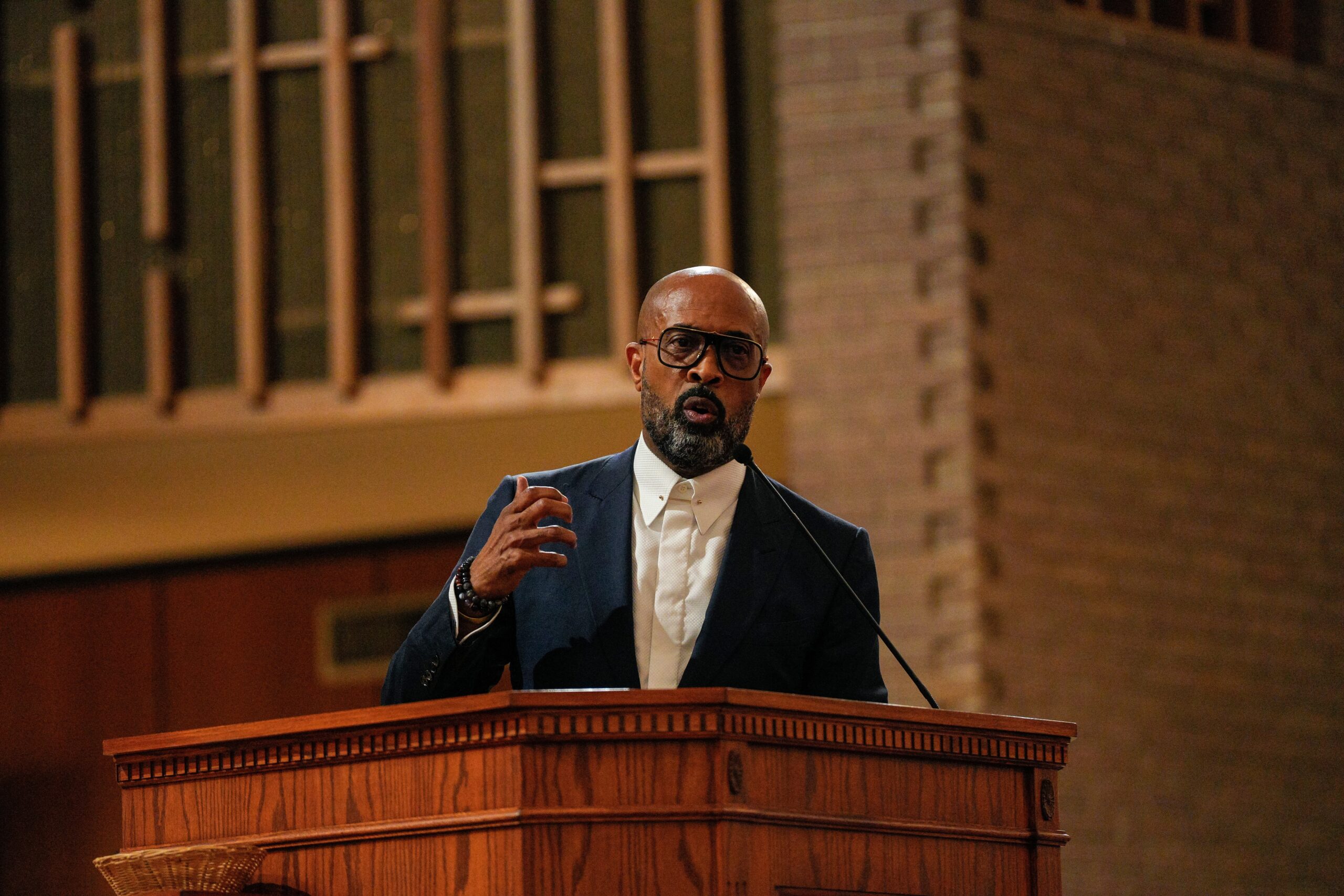
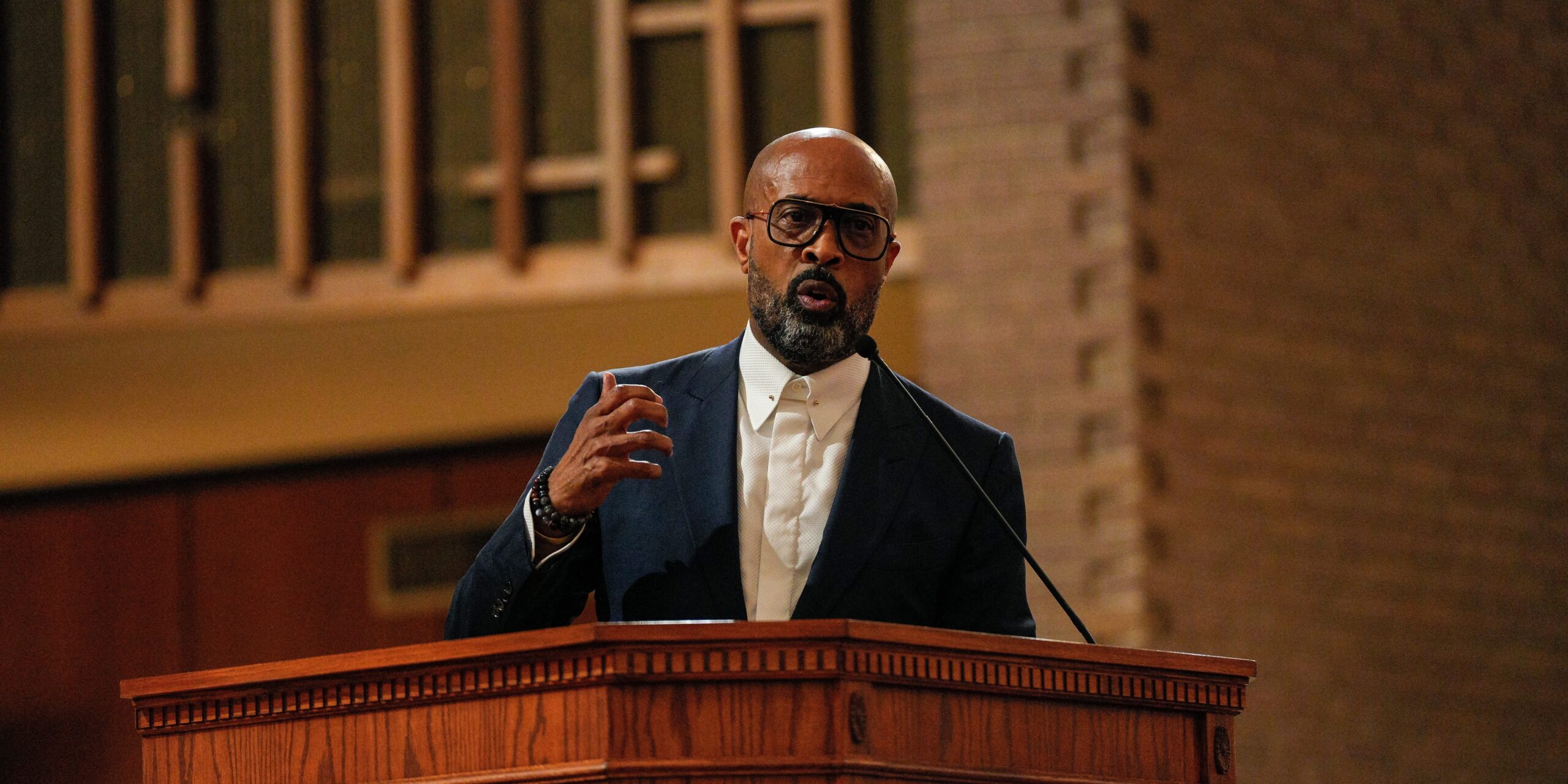
    Rev. Frederick D. Haynes III speaks to the crowd during the We the People TX interfaith service, "A Night of Moral Resistance," in Dallas, Wednesday, Sept. 9, 2026. (AP Photo/Gabriela Passos)
    Rev. Frederick D. Haynes III speaks to the crowd during the We the People TX interfaith service, “A Night of Moral Resistance,” in Dallas, on Sept. 9, 2026. Photo: AP Photo/Gabriela Passos

    “Why do you wanna have a pep rally when people are hurting?”

    That was the question Rev. Frederick Douglass Haynes III posed at a September food drive in South Dallas, where volunteers were collecting groceries for struggling families. Across town, Republicans were holding a midterm convention. Haynes, a longtime Baptist pastor and Democratic congressional nominee, was introducing James Talarico, the party’s candidate for U.S. Senate in Texas.

    A month later, speaking at a Dallas megachurch, Talarico offered his own interpretation of Christian duty.

    “I try to love my neighbor through public policy,” the Presbyterian seminarian told the congregation. “I’m trying to make my neighbor’s life easier, better, less stressful.”

    Both men are making a deceptively simple argument in some of the staunchly staunch red-as-hell, Republican territory in America, one that might transcend the conventional wisdom about national campaigns and the millions poured into competing campaign war chests: When far-right policy translates into actual pain, at what point does intervening become a spiritual obligation?

    Amid the big-ticket ad buys, fundraising appeals, and armies of political consultants, Talarico and Haynes are tapping into a political tradition that has long sustained communities across the South: showing up.

    At Haynes’s Friendship-West Baptist Church, the ministry extends to legal services, immigration advocacy, counseling, economic justice, and food policy. It is an example of how churches often form the connective tissue of communities suffering under economic and political strain.

    When far-right policy translates into actual pain, at what point does intervening become a spiritual obligation?

    That strain is measurable. Texas is home to four of the nation’s 10 most financially distressed major cities, including Houston, which ranks second nationwide, according to a 2026 analysis. Feeding America estimates that nearly 1 in 5 Texans experienced food insecurity in 2024. Meanwhile, federal analysts project that changes to Medicaid eligibility enacted last year will increase the number of uninsured Americans by 7.5 million by 2034. 

    While Democratic Party leaders publicly debate how to punish Donald Trump politically, allege corruption, or navigate the ideological divide between moderates and democratic socialists, a different argument is emerging from Southern pulpits.

    The Underground Church

    From Quaker abolitionists to the Social Gospel’s challenge to industrial exploitation, progressive religious institutions have helped drive some of America’s most consequential political transformations. Christian farmworker ministries supported migrant laborers before joining the United Farm Workers’ California grape boycotts in the 1960s. And while Black churches overwhelmingly led, sustained, and suffered the brunt of violence in the fight for equal civil rights in this country, a handful of white denominations joined them. 

    Of course, churches also defended slavery, segregation, and exploitation. The blunt reality is that throughout American history, Christianity has always been political and has been used to justify a wide variety of competing political ends.


    Related

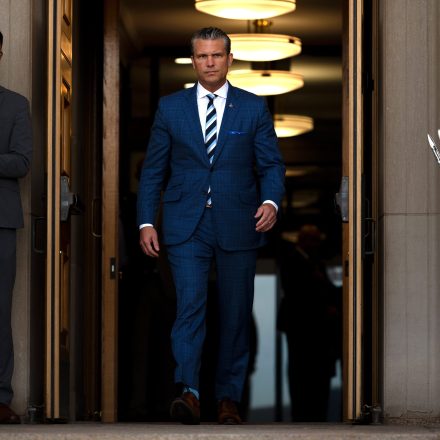
    Pete Hegseth’s Unholy War


    But Republicans have deftly exploited the perception that they alone speak for American Christians. The Trump administration has readily embraced religious iconography, from evangelical leaders praying over the president in the Oval Office to Defense Secretary Pete Hegseth’s frequent invocations of the medieval Crusades.

    There is no way around the fact that Republicans have built a formidable religious coalition, particularly among white evangelicals. Last year, the nonprofit, nonpartisan Public Religion Research Institute, or PRRI, found a majority of Republicans qualified as either Christian nationalist adherents or sympathizers in 2025, compared with 17 percent of Democrats.

    But Republicans don’t have a monopoly on Christian voters. Pew Research Center polling this month found 73 percent of white evangelical Protestant registered voters preferred Republican House candidates, while 74 percent of Black Protestants and 59 percent of Hispanic Catholics preferred Democrats. None of that is particularly surprising on the surface.

    Nor is this some newly discovered religious awakening. According to PRRI’s Census of American Religion, which was published in April, 57 percent of Democrats identified as Christian in 2025, a significant drop from 70 percent in 2013. The white Christian left isn’t necessarily growing, but it’s far from insignificant. Much of it has simply been politically overlooked.

    It’s a perception the GOP has routinely capitalized on, often spending a great deal of their election campaigns attacking opponents on religious ground. 

    On Sunday, Texas Gov. Greg Abbott cravenly tarred his Democratic gubernatorial challenger, state Rep. Gina Hinojosa, as supporting “Sharia law,” citing an endorsement from a Muslim advocacy group’s political affiliate.

    Perhaps ironically, Hinojosa is, and has been on the record, a Catholic — same as Abbott.

    “My faith is my moral compass,” Hinojosa told the National Catholic Register in September. “It grounds me in purpose and gives me the courage to do what is right regardless of obstacles or consequences.”

    Faith Without Works Is a Dead End

    For those who have spent years watching their faith become synonymous with a politics they don’t recognize, frustration may finally be giving way to something else: a determination to be heard.

    There are signs that this long-overlooked religious tradition is finding a more public voice. An August study by PRRI documented progressive Christians organizing against Christian nationalism in eight states, including Texas and Louisiana, channeling local meetings, religious discussions, and community networks into political action. Elsewhere, hundreds of members of the clergy have joined protests against immigration enforcement, and some have been trained in direct action and civil resistance. While the movement may not be growing in numbers, its willingness to challenge political power is increasingly visible.


    Related

    Apocalypse Now: Naomi Klein and Astra Taylor Investigate the End-Timers Alliance


    As retired Texas Rev. Kathleene Card, who has thrown her support behind Talarico, told the Houston Chronicle, “faith should influence how people respond to poverty, human rights, the environment, and the well-being of their community.”

    Whether any of this will translate into winning on Tuesday is still an open question. An October Fox News poll put Talarico and Republican Ken Paxton at 49 percent apiece among likely voters, but newer polls show Talarico with a small lead. Abbott led Hinojosa by 5 percentage points in that Fox poll, and most polls in the race show the governor with a slim lead. 

    No matter the result, the Texas campaigns offer a different, more nuanced way of understanding political persuasion. They also challenge a long-standing assumption among national Democrats: that their voters are a monolith, moved by the same issues, values, and appeals. 

    Across rural America and the South, voters may be growing weary of manufactured arguments and hypothetical doomsday prophecies, with research showing that political advertising, as it stands, has little effect on changing minds at all.

    There is something to be said for people willing to put boots on the ground, to do the work instead of endlessly debating how to begin and whether it matters, in the name of service. 

    It’s a moral code not too dissimilar to a Western: When confronted with injustice, you stand for what’s right, even if you stand alone and are ridiculed for what you believe. It’s a mode of Christianity that harkens back to Abraham Lincoln (and maybe even John Brown.)

    That might be a more enduring political proposition than many Democrats’ feigned, helpless aggrievance to the latest Republican spectacle. Campaigns come and go; so do their promises, if they existed in the first place. But the obligation to one’s neighbors remains.

    Source: The Intercept · 2026-10-30

  • The Bolsonaro Family Playbook: Lose, Cry Fraud, and Run to Trump’s America

    The Bolsonaro Family Playbook: Lose, Cry Fraud, and Run to Trump’s America

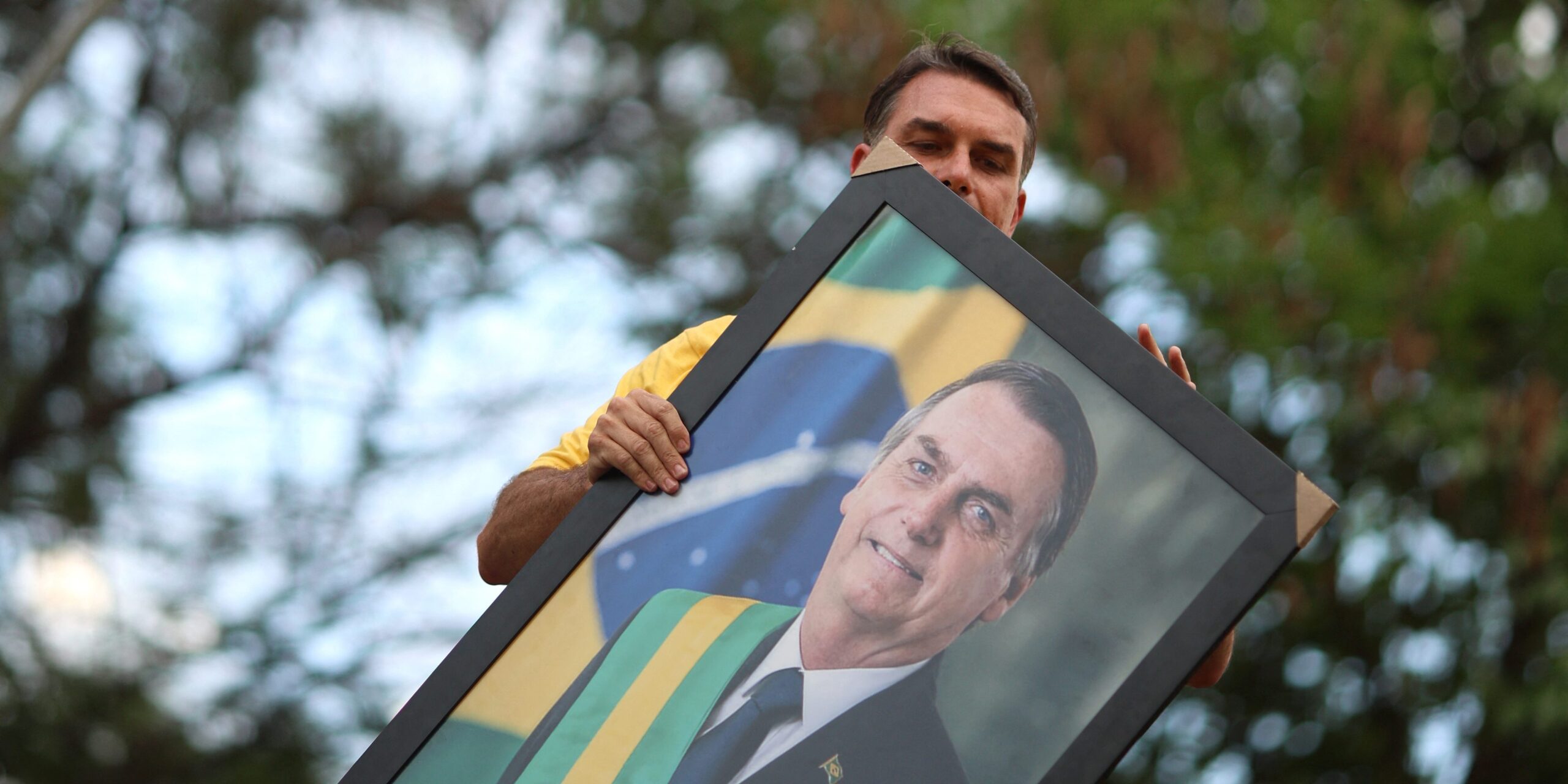
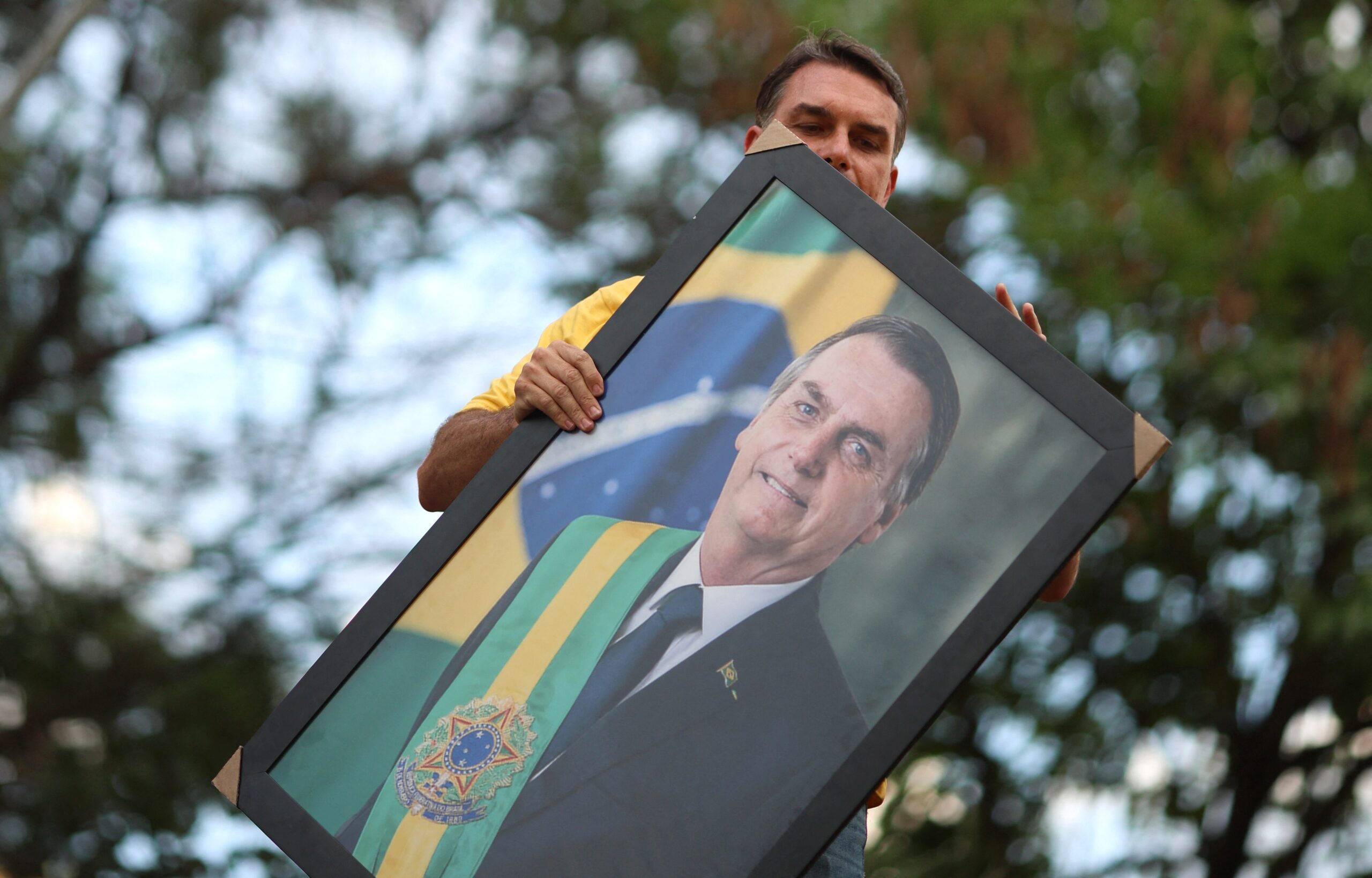
    Brazilian right-wing presidential candidate Flavio Bolsonaro holds a picture of his father, convicted former President Jair Bolsonaro, during a motorcade with supporters in Goiania, Brazil, on September 27, 2026. Brazil will hold presidential election on October 4, 2026. (Photo by Sergio Lima / AFP via Getty Images)
    Brazilian right-wing presidential candidate Flávio Bolsonaro holds a picture of his father, convicted former President Jair Bolsonaro, during a motorcade with supporters in Goiania, Brazil, on Sept. 27, 2026. Photo: Sergio Lima/AFP via Getty Images

    “I never thought about leaving the country,” Flávio Bolsonaro, a Brazilian senator and son of the deposed, disgraced leader, told his 16 million Instagram followers on Monday. It was the day after he lost the presidential election to President Luiz Inácio Lula da Silva by a margin of more than 4 million votes. 

    Flávio promised to stay in Brazil to “organize the opposition” during Lula’s next term. 

    “I’m the last obstacle to the Workers’ Party’s plan to destroy the country,” Flávio warned, referring to the party of Lula, who defeated his father four years earlier.

    A few hours later, he left his mansion in Brasilia and sought asylum in the U.S. The Trump State Department told The Associated Press that it will grant him and his family visas.

    The affinities become obvious when you watch Bolsonaro’s failsons end up in Trump’s America.

    “I didn’t take ​sides, but it looked like another rigged election,” President Donald Trump told reporters on Monday, echoing Flávio’s election night talking points without providing any credible evidence that casts doubt on Lula’s come-from-behind victory — even as Flávio’s own party put out a statement acknowledging the results later that day.

    It is no coincidence that the Trumps and the Bolsonaros are so fond of each other. Their modus operandi is nearly identical. 

    Both wrap themselves in the rhetoric of patriotism and moral righteousness, while treating their political offices as personal get-rich-quick schemes. And, when their lies finally catch up with them, you can be sure that they will jump ship to save themselves first and abandon their followers.

    The affinities become obvious when you watch Bolsonaro, his failsons, and co-conspirators all end up in Trump’s America, where Flávio is about to join his brother, and in the denialism and violence that follow their failures.

    Coups and Flight Risks

    Flávio Bolsonaro’s election denial and hasty escape are his version of Trump’s infamous January 6 speech: Rile up the troops to do your dirty work and get the hell out of the way.

    It’s not the first time a Bolsonaro ran this playbook. After Jair Bolsonaro became the first modern Brazilian president to lose a reelection bid, he refused to attend the January 2023 inauguration ceremony. Instead, he also fled to the U.S., staying in a Minions-themed children’s bedroom in the Orlando, Florida, home of retired UFC fighter José Aldo.


    Related

    The Stakes of Brazil’s Presidential Election 


    A week later, on January 8, the ex-president’s allies laid siege to the capital, Brasília, vandalizing Congress, the presidential palace, and the Supreme Court, as foot soldiers in a larger coup plotted to overthrow the Lula government. Nearly four decades of Brazilian democracy was only spared when key military leaders blinked before they could finish the job.

    Jair Bolsonaro eventually returned to Brazil and was sentenced to 27 years in prison for leading the plot, which included a plan to assassinate Lula, Vice President Geraldo Alckmin, and Supreme Court Justice Alexandre de Moraes. Allies, including top military brass, were also convicted. Jair remains under house arrest — widely thought to be pinning his hopes for freedom on a Flávio presidency that wasn’t to be.

    Flávio, however, will not be lonely in the States. His brother, former Brazilian Congress member Eduardo Bolsonaro, just received green cards for his family and is living in a $1.2 million McMansion in Southlake, Texas, in the Dallas-Fort Worth area, as we revealed in The Intercept Brasil earlier this year. Eduardo, who is a regular on the Trumpworld circuit, was sentenced in absentia to four years and two months in prison for lobbying the U.S. government to interfere in his father’s trial. 

    Flávio, too, seems poised to receive news of his own prison sentence while sitting on a couch in a Texas suburb. In May, our reporting at The Intercept Brasil put the first nail in the coffin of his presidential campaign when we published chat logs and audio recordings of the senator negotiating $24 million — and being wired $10 million — from disgraced billionaire banker Daniel Vorcaro, who is a sort of Brazilian cross between Charles Ponzi and Jeffrey Epstein. 

    The payments, wired to a U.S. account, were supposedly meant to finance “Dark Horse,” a biopic about Jair Bolsonaro starring Jim Caviezel. Brazilian Federal Police, though, have already poked holes in Flávio’s story as they investigate whether the money was actually used to bankroll Eduardo’s treasonous lobbying of the Trump administration to sanction Brazil and help his brother’s electoral chances. 

    Flávio is also being investigated for his alleged ties to a billion-dollar money-laundering scheme through an online betting company run by Willer Tomaz. The two are not only close friends but also business partners. Flávio even had unfettered access to one of Tomaz’s offshore bank accounts. You will not be surprised to learn that Tomaz left Brazil in August and is now living in Miami.

    Police argued that, after losing the election, Flávio would pose a flight risk, especially in light of his closest associates’ recent actions. They asked the Brazilian Supreme Court to order Flávio to turn over his passport, which is permitted under Brazilian law. A top justice granted the request and, when the deadline passed, canceled the senator’s travel documents. 

    By then, Flávio was already on his way to the U.S.

    Source: The Intercept · 2026-10-28

  • The Spirit of “Party Unity, My Ass” Is Back and Coming for the DSA (and El-Sayed)

    The Spirit of “Party Unity, My Ass” Is Back and Coming for the DSA (and El-Sayed)

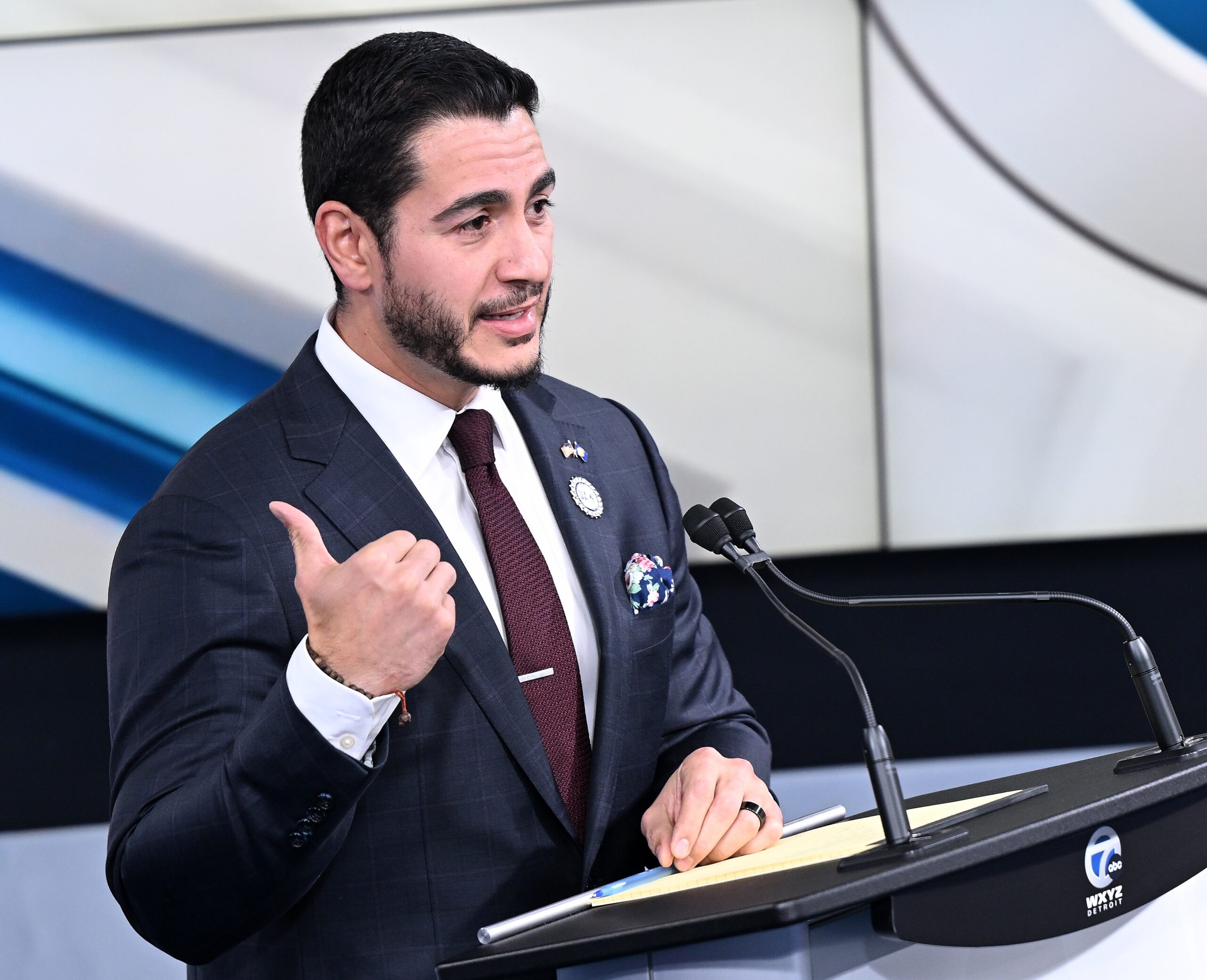
    SOUTHFIELD, MICHIGAN - OCTOBER 21: Democratic Senate Candidate Abdul El-Sayed speaks during the debate on October 21, 2026 at WXYZ Channel 7 in Southfield, Michigan. (Photo by Robin Buckson-Pool/Getty Images)
    Democratic Senate candidate Abdul El-Sayed speaks during the WXYZ Channel 7 debate on Oct. 21, 2026, in Southfield, Mich. Photo: Robin Buckson-Pool/Getty Images

    The PUMA spirit is back. The 2008 Democratic Party protest movement, inflamed by what Hillary Clinton supporters viewed as Barack Obama stealing the nomination from their primary candidate, scorned his general election campaign and embraced the mantra “Party Unity, My Ass.” 

    This time, that energy is aimed at the candidates preferred by the Democratic Socialists of America.  

    DSA-aligned progressives have won a number of party primaries and are set to help Democrats take the majority in Congress. But once in power, they’re likely to make demands — the kinds of demands that could upend decades of carefully crafted donor-friendly policymaking. 

    For moderate Democrats, “party unity” is only a goal worth pursuing to bully the left wing of the party to fall in line with their preferred candidate.

    For moderate Democrats, “party unity” is only a goal worth pursuing to bully the left wing of the party to fall in line with their preferred candidate. When it’s on them to step up and vote for someone who might have different goals, that’s another story completely, and some centrists are even hoping for Republicans to win the House this November if the alternative is an empowered DSA Democratic wing. 

    James Carville, the fossilized Cajun strategist who was part of exactly one successful national political campaign, Bill Clinton’s 1992 White House victory, said on The Bulwark podcast last Sunday that he’d prefer a tight GOP hold on Congress over a narrow Democratic majority. 

    “I would be disappointed if it comes in at 225 House seats,” Carville told host Bill Kristol. “I would rather the Republicans keep the House by five than the Democrats to win by five, because, if that happens, they’re hostage to the DSA.”

    To his credit, Kristol — who, in a sign of how people can change when they know which way the wind is blowing, spent the PUMA moment promoting Sarah Palin but is now a self-proclaimed Democrat — pushed back, saying he’d rather win. 

    Carville is the first of his cohort to explicitly call for a GOP victory rather than the left flank of the party getting more power, but he’s not the only centrist deprioritizing his party’s prospects in November.

    Maine Gov. Janet Mills has yet to endorse the Democratic Party’s Senate nominee, Troy Jackson, after she lost to now-disgraced Graham Platner. (Mills and Jackson have a long and bitter history from state government, which may be playing a role here.) 

    Perhaps most consequentially, in Michigan, Democratic Senate nominee Abdul El-Sayed has faced an uphill battle since winning his party’s grueling primary. He’s now focused on winning in the general election and becoming the first Muslim U.S. senator, but resistance to his candidacy remains a concern.


    Related

    Centrists Are Soft-Launching the Idea That We Have a Little Too Much Democracy


    Much of the difficulty has come from members of his own party and other liberals. Their antipathy toward a candidate whose positions aren’t so out of step with other members of the caucus has raised questions about what exactly is so objectionable about him. El-Sayed may skew to the progressive side of the party, but he’s not a socialist and not a member of the DSA; his positions on domestic policy should place him companionably among the likes of Sen. Elizabeth Warren’s wing. 

    Until recently, most of the anger after El-Sayed’s primary in early August was confined to X and occasional cable news hits. 

    That changed on October 16, when two Michigan Democratic Party power players, David Kramer and Lon Johnson, urged voters in a Detroit News op-ed to leave El-Sayed’s place on the ballot blank — effectively handing the Senate seat over to Republican Mike Rogers, an election denier and a lockstep Trump ally. 

    The piece tied El-Sayed to extreme elements of Islam and suggested his opposition to Israel’s genocide, war crimes, and occupation was based in hatred for the Jewish diaspora.

    “Our gravest concerns involve El-Sayed’s associations with figures who have excused or minimized terrorism, his reluctance to unequivocally condemn dangerous rhetoric, and his support of extreme policies,” Kramer and Johnson wrote. “At a time of rising antisemitism, Democrats deserve leadership that unequivocally rejects rhetoric threatening Jewish communities.”

    Comedian Mike Drucker accurately described on Tuesday the centrist rejection of El-Sayed as less “blue no matter who” and more “blue unless brown.”

    But Democratic leaders like Carville, Kramer, Johnson, and others are panicked beyond their obvious Islamophobia — they can see the writing on the wall goes well past Michigan. It’s a full-on existential crisis.

    Former Intercept writer Jon Schwarz once opined on what he termed the iron law of institutions: “The people who control institutions care first and foremost about their power within the institution rather than the power of the institution itself.” 

    What we’re seeing now is the iron law’s white blood cells fighting a threat they don’t believe can be easily assimilated into the existing power structure. It’s a danger to their status and power.

    Their attacks on the left are going to backfire, leaving the Democrats’ centrist wing even less empowered than before. 

    That outcome is ideal for the party, the base, and the country. For centrists, it’s a disaster — but if the way to stop their coming irrelevance is to vote for a progressive American Muslim who opposes genocide, they’re incapable of taking that step. 


    Related

    Mike Rogers Spent $100K on Private Jets and Luxury Travel Last Quarter


    Ultimately, all their griping may not matter. El-Sayed is regularly polling slightly ahead of Rogers, and 95 percent of Michigan Democrats said they intend to vote for him. Much like Jackson in Maine, should he win, El-Sayed will be even less beholden to the elements of the party power structure who are so desperately trying to prove he needs them, rather than the other way around.

    Source: The Intercept · 2026-10-24

  • Mamdani’s High-Wire Balancing Act Between ICE and NYPD Can’t Last

    Mamdani’s High-Wire Balancing Act Between ICE and NYPD Can’t Last

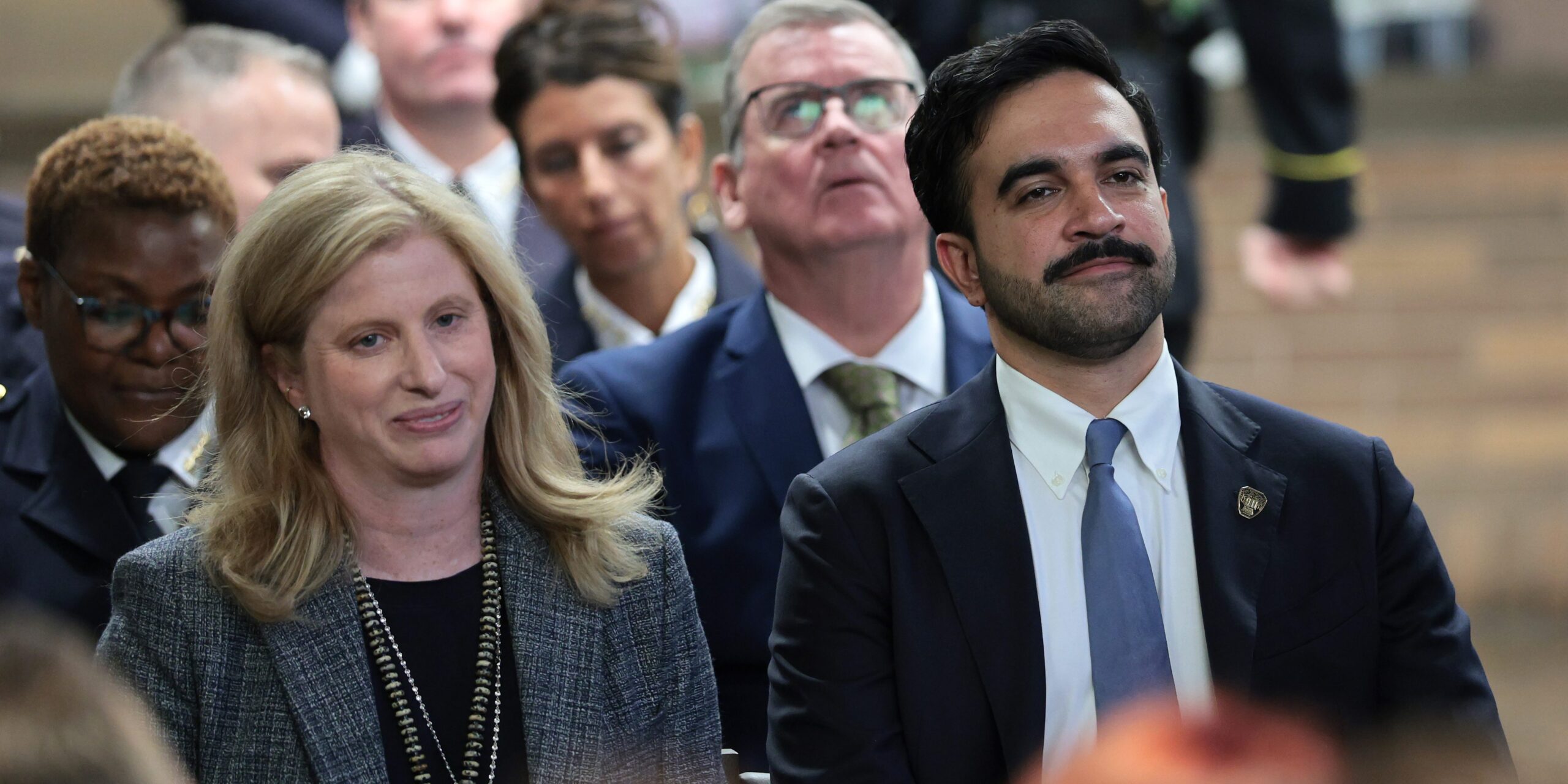
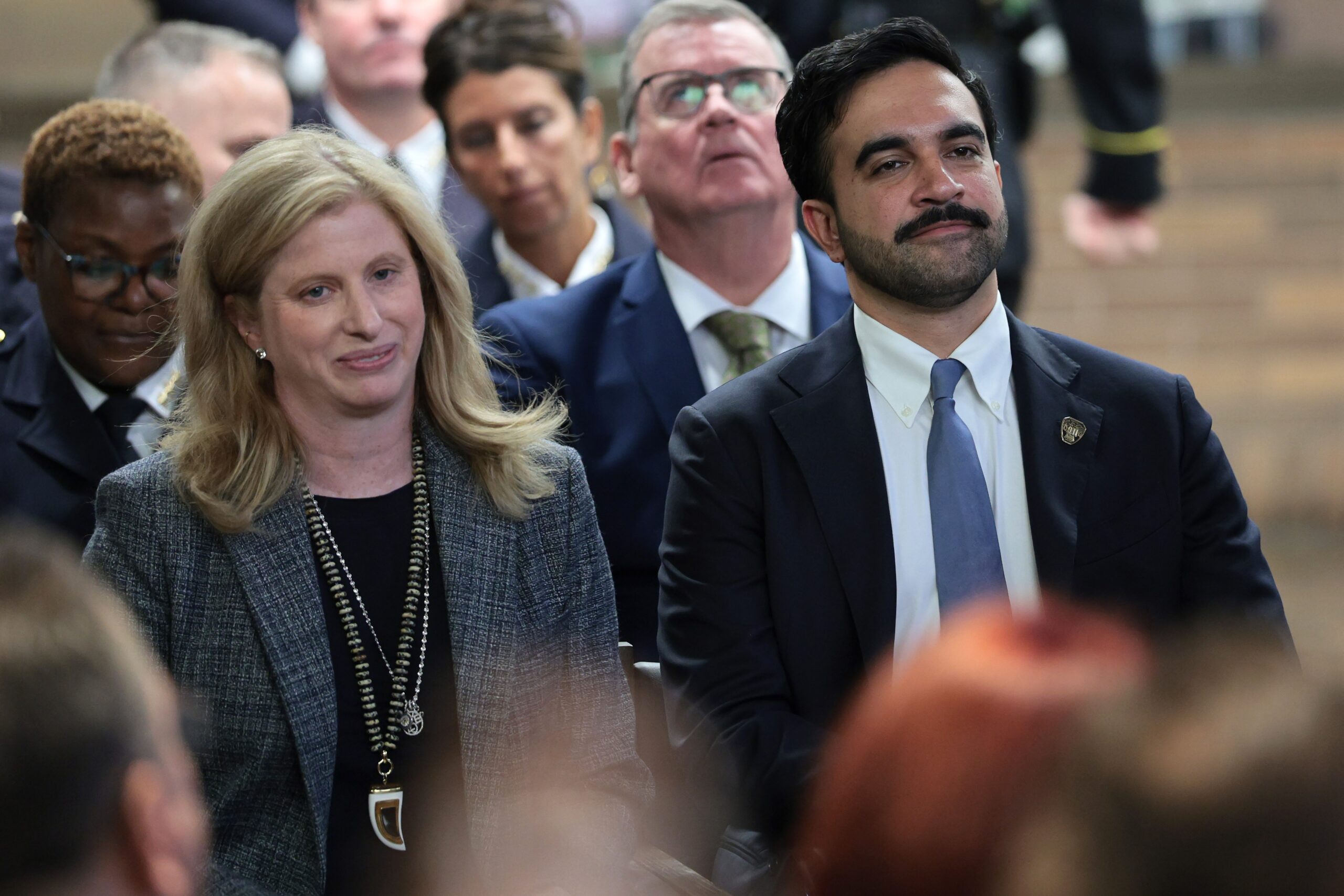
    NEW YORK, NEW YORK - SEPTEMBER 09: NYPD Commissioner Jessica Tisch and New York City Mayor Zohran Mamdani attend an unveiling ceremony for a new 9/11 Memorial Wall at One Police Plaza on September 09, 2026 in New York City. Mayor Mamdani joined NYPD Commissioner Jessica Tisch, family members of first responders, and other NYPD officers as they unveiled a new wall display that honors first responders who lost their lives during the September 11th World Trade Center terror attacks and since. (Photo by Michael M. Santiago/Getty Images)
    NYPD Commissioner Jessica Tisch and Mayor Zohran Mamdani attend an unveiling ceremony for a new 9/11 Memorial Wall on Sept. 9, 2026, in New York City. Photo: Michael M. Santiago/Getty Images

    The October 8 shooting of Oscar Belgal by Immigration and Customs Enforcement agents in front of his 5-year-old son in Manhattan forced into the open a question that had been on many New Yorkers’ minds: What would the New York Police Department do when ICE broke the “rule of law” in the city, and how would Mayor Zohran Mamdani, the person who has the power to hire and fire the NYPD commissioner, respond? 

    Shortly after the shooting, Mamdani addressed the incident with an appropriate amount of outrage, declaring ICE “rotten to its core,” and calling for the department to be abolished. His frustration was visible, but he was much less expressive when it came to his appraisal of the city’s response to the situation. He had nothing substantive to discuss with respect to his police department’s involvement, despite NYPD officers arriving on the scene only to find unidentified ICE agents holding guns, wearing plain clothes and disguises and masks, in apparent violation of federal laws requiring identification. (A recently passed New York state law prohibiting federal agents from wearing masks and other face coverings was temporarily blocked by a judge.) NYPD officers applied first aid and transported Belgal to NewYork-Presbyterian Allen hospital.

    According to many eyewitness accounts and widely circulated video, members of the NYPD appeared to assist ICE agents by forcefully helping with crowd control — at one point, an NYPD officer shoved congressional candidate Darializa Avila Chevalier, whom Mamdani personally stumped for, to the ground. Later, NYPD cleared a path for federal agents to whisk Belgal away from the hospital to a federal detention facility downtown. 


    Related

    ICE Shooting in NYC Inflames Mamdani’s Policing Problem


    After the shooting, the Democratic Socialists of America, several legislators, and Avila Chevalier all called on Mamdani to fire NYPD Commissioner Jessica Tisch and demanded the mayor uphold his campaign pledge to disband the NYPD’s infamous Strategic Response Group. Mamdani repeatedly refused to fire Tisch but said he was reviewing the 24-hour period around the shooting. When asked directly about Avila Chevalier being thrown to the ground, the mayor called it unacceptable, saying, “That is not something I will look to justify.” He reminded New Yorkers to be patient with efforts to reform the NYPD, ordered a review of the department’s use-of-force policies, and added funding for the inspector general’s office. But once again, he stood by his commissioner, citing “her record of uprooting corruption from the upper echelons of the NYPD while lowering crime across our city.”

    Noticeably absent from any of Mamdani’s public remarks about the NYPD or Tisch was any public acknowledgment of the NYPD officers in relation to ICE agents during the Belgal incident.

    Federal and city law enforcement occupy similar spaces but never really interact with each other. Mamdani made no mention of the ways in which the actions of federal agents put pressure on the NYPD as mediators — the primary function of police — to liaise in moments of conflict.

    The NYPD typically relishes this role, which is why the department consumes so much of New York’s budget and shuns any attempts to redirect funds to other services that might reduce the need for police mediation to begin with. ICE forces local police to make choices in policy and in practice about how to deal with violent (often illegal) immigration operations.

    If the NYPD believes itself to be the thin blue line, on which side of order and chaos do New York’s force and Mamdani believe these federal outside agitators to be?

    When it comes to ICE, Mamdani’s rhetoric and policies haven’t always aligned, which has opened him up to questions about the kind of mayor he really is.

    This omission — or evasion, depending on how you look at it — of this predicament is strange considering Mamdani’s willingness to speak with moral clarity about even the most contentious issues and confront them head-on. It’s also bizarre considering his penchant for weaving shared experiences together and for putting the lived experiences of New Yorkers front and center.

    On the campaign trail, one of Mamdani’s most alluring traits was his ability to speak to the actual problems of everyday residents. It wasn’t just because he possessed once-in-a-generation oratory skills; candidate Zohran achieved this because, as a proud democratic socialist, there was an analysis — an explanation of the material conditions of life — baked into his politics. His rhetoric seemed in line with, or at least not alienated from (see: establishment Democrats), how fast reality was moving and how it was impacting the lives of everyday New Yorkers.

    When it comes to ICE, however, Mayor Mamdani’s rhetoric and policies haven’t always aligned, which has opened him up to questions about the kind of mayor he really is. On one hand, he has shown that he will speak out against Trump’s fascist and inhumane immigration efforts. On the other hand, Mamdani hasn’t moved with the same level of force as his words. Many have pointed out that Mamdani seems to be engaging in realpolitik in an effort to get his extensive progressive agenda passed. It’s certainly not easy to bring the machine of the New York government up to speed while also being transparent about the ways in which he is moving the needle. But that’s exactly what he was elected to do.

    Had Mamdani got into office and done nothing different than previous mayors — or even been exceptionally corrupt, pro-cop, and willing to help the Trump administration like predecessor Eric Adams — he might have been able to avoid his current moment of reckoning. But his administration’s genuine efforts on immigration set into motion a future where the NYPD and ICE would come into conflict.

    One of Mamdani’s first moves as mayor was to take stock of how the city’s many agencies were upholding existing sanctuary city laws. In February 2026, he signed Executive Order 13, his first major order pertaining to immigration, to create the Mayor’s Office of Immigrant Affairs and establish baseline guidance, such as explicitly prohibiting ICE and other non-local law enforcement agencies from using city-owned garages and vacant lots. Crucially, EO 13 also required an audit of several agencies, including NYPD, to review their immigration-related policies.


    Related

    Local Cops Flout Sanctuary Law to Help ICE Deport Immigrants


    NYPD already has a problematic history dealing with immigration enforcement. During the Adams administration, there were documented cases where the NYPD assisted or collaborated with immigration enforcement, sometimes in accordance with NYPD policies. A December 2025 report by Jocelyn Strauber, then-commissioner of the New York City Department of Investigation, found at least one incident in which “an officer violated local law by providing assistance to federal authorities in connection with enforcement of the federal civil immigration law,” as well as evidence that NYPD did “not fully comply with documentation and reporting requirements concerning requests for assistance with federal civil immigration enforcement.” The report also found that there were numerous examples of NYPD policies and practices that elevated the “risk of improper information sharing or assistance to federal authorities for purposes of civil immigration enforcement.”

    The resulting audit, which was released on May 22 by Mamdani’s deputy mayor, built on those findings and recommended NYPD (and other city agencies) update its reporting requirements. But the audit also left a lot of open questions, which numerous legal advocates attested to, about areas in which NYPD protocols and policies keep avenues open to potentially collaborate with ICE. The NYPD was “not being held to a high standard of accountability or scrutiny for collusion,” the audit found, and there were significant “gaps” in documenting potential violations of department policies. The question of what the city and its mayor could do to ensure compliance also remained unanswered.

    Sanctuary laws prohibit using city resources for immigration enforcement, and a January 2025 NYPD internal memo specifically barring officers from facilitating street closures to enable immigration enforcement seemed to solidify that directive. But several high-profile incidents involving the NYPD have tested the department’s compliance with sanctuary laws. In October 2025, before Mamdani was elected, during an immigration raid in Chinatown, eyewitnesses and viral videos showed NYPD officers establishing perimeters to create a path for federal law enforcement agents. In another instance in May 2026, ICE reportedly “dragged” a Nigerian immigrant out of a Brooklyn hospital after agents used force in his arrest; NYPD officers brutalized and arrested numerous protesters and cleared debris from the road to enable ICE to escape the crowds and abscond with their target.

    When the NYPD arrives at an ICE raid or at a protest against an immigration abduction, what are officers supposed to do?

    Both of these incidents happened under the watch of Tisch, who has insisted again and again that the department follows all sanctuary laws. When asked about the Brooklyn incident, Mamdani insisted NYPD was responding to 911 calls about the protest, not helping ICE. “Our laws leave nothing, no room for interpretation about the fact that our NYPD will not participate in civil immigration enforcement,” he said. NYPD told the Guardian US: “Upon arrival, officers observed numerous individuals acting in a disorderly manner, obstructing vehicular traffic, and blocking emergency entrances and exits at Wyckoff Heights medical center.” 


    Related

    LAPD Won’t Do Immigration Enforcement — But Will Shoot You With Rubber Bullets for Protesting ICE


    When the NYPD arrives at an ICE raid or at a protest against an immigration abduction, what are officers supposed to do? On this point, NYPD and Mamdani have offered little clarity. But October 8 doesn’t pass the smell test for anyone who lives in overpoliced neighborhoods or closely observes the activity of police and their behavior.

    NYPD officers were responding to an unrelated call nearby when they heard the report of shots fired. When they arrived, they encountered several men in various forms of attire, including some in construction-style vests, face masks, and at least one carrying a long gun, which officer body camera footage released by the Department confirms. The official account of the NYPD’s interaction offers no mention of ICE. There are no additional insights or explanations of department protocol that might shed light on how officers are supposed to act given the circumstances. Curiously, what those officers thought when they encountered several masked men with guns, and the conversations that took place between the ICE agents and the police, is a mystery, too. All we know is that officers agreed at some point that the NYPD would place Belgal in a vehicle, apply aid, and take him to the hospital. 

    Since that evening, Mayor Mamdani has stood firm in his condemnation of ICE and their operations. “We will not normalize ICE’s viciousness,” he said, calling for the agency to be abolished. That’s the least he could say to reassure New Yorkers he understands the stakes they feel in their bones already. The shooting of Oscar Belgal and his subsequent inhumane treatment — his lawyers say Belgal is still in solitary confinement with a bullet in his neck — is a reminder of how normalizing ICE operations in New York City is already well underway. 


    Related

    Bill de Blasio Promised to Change the NYPD. His Courage Failed Him, and Us.


    There have been more lower-profile ICE sightings and kidnappings, which echoes what has been the case in other parts of the country. What Mamdani will do to bring the city’s response into alignment with the needs of New Yorkers in this moment still remains an open question, including clarifying the NYPD’s role in the city’s ongoing fight against the Trump administration’s gestapo tactics.

    If this month’s incident offered a lesson for Mamdani, it is that clearly articulating what is right is a full-time job that requires an unwavering willingness to confront reality. It’s not enough to say the thing on one issue — calling a genocide by its name, publicly dragging FIFA for pandering to wealthy elites, or deriding the inhumane practices of slumlords — but not stand on business when it comes to the reality that New Yorkers are seeing on their own streets. 

    Sometimes, an actual seismic event can reveal what needs to be done and that there are alternatives that may not have been fully realized before. Hope isn’t lost. There is still time for Mamdani to update his analysis. But in this moment, the mayor must make a choice: renew his commitment to the truth, or be defined by its absence. 

    Source: The Intercept · 2026-10-22