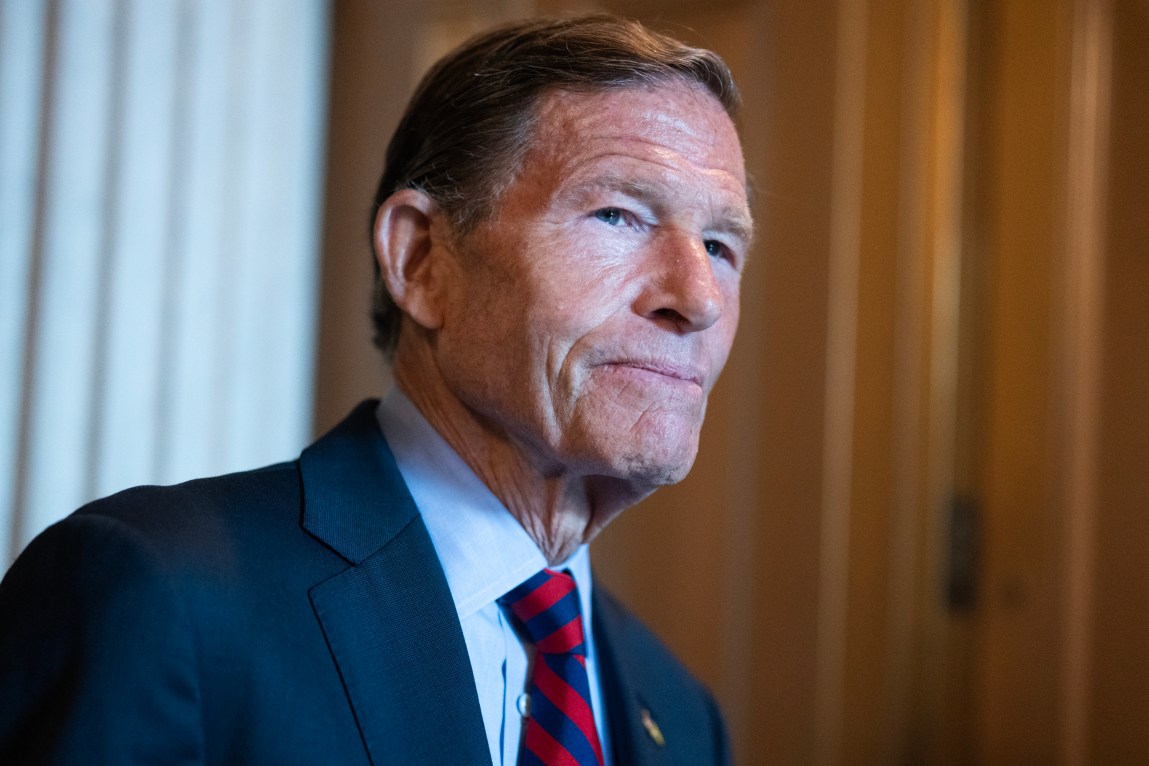
Connecticut Sen. Richard Blumenthal, one of three federal lawmakers who recently cited ProPublica reporting in a letter asking sports betting companies for more information about their business practices. Tom Williams/CQ-Roll Call, Inc via Getty Images
State and federal officials have ramped up scrutiny of online sports betting companies in recent weeks, launching inquiries, demanding information and, in one case, proposing a new rule that would limit when companies like DraftKings can pitch their users to bet more.
The moves — by gaming regulators, government lawyers and federal lawmakers — follow an investigation last month by ProPublica that tested the guardrails DraftKings and other sports betting companies have in place to protect users from spiraling out of control. That system is called responsible gaming, and executives say it’s integral to their companies’ long-term success.
Those articles were the focus of an Oct. 15 meeting of the Louisiana Gaming Control Board, which, partly in response to the stories, tabled the renewal of DraftKings’ five-year license. Instead, the board granted the company a temporary four-month permit while investigators look into the issues raised in the reports as well as other paperwork concerns.
The board’s chair, Christopher Hebert, said the Times had raised some “very serious questions” and called ProPublica’s reporting “very troubling.”
While news stories “are not findings of regulatory violations,” Hebert said, “as regulators we have a responsibility to examine these matters that could affect the integrity of gaming operations and the protections of our citizens here in Louisiana.”
State health officials say the number of Louisianans believed to have a gambling disorder has risen in recent years amid the surge in popularity of online gambling and prediction market sites. One top official reported this summer that gambling addiction was among the health department’s “top three priorities.”
If you’ve bet on sports with FanDuel or DraftKings, you can help ProPublica understand how these apps work. Use our browser extension to download your betting history, then upload your files.
Paul Liberman, who co-founded DraftKings and serves as its president of operations, told the regulators: “We do not use artificial intelligence to target losing gamblers by any means.”
DraftKings previously told ProPublica that it proactively closes the accounts of suspected problem gamblers “all the time” but declined to provide specific figures. Yet when asked by a Louisiana board member for those same specifics, Lori Kalani, DraftKings’ chief responsible gaming officer, said 175 accounts in the state had been shut down this year. She told the board she didn’t know how many total users DraftKings had in the Pelican State.
“We’re not physicians, we’re not clinicians and that’s not our role, but we certainly want to help people enjoy the service, the platform that we’re offering them,” Kalani told the board. “I know that we’re doing our job and that when we see something, we say something and we engage. I just can’t tell you if 175 is the right number. I wish it was zero.”
In a statement, a DraftKings spokesperson said: “As a legal, regulated operator, DraftKings values an open and ongoing dialogue with regulators and regular conversations and check-ins with regulators are normal course of business.”
In response to ProPublica’s original investigation, Kalani said DraftKings’ responsible gaming system — which consists largely of in-app messages about the company’s tools — “worked the way it was supposed to.” She cautioned against “drawing broad conclusions” from one user’s experience.
The day after the Louisiana meeting, regulators in Ohio proposed an amendment to the state’s sports gaming rule that would bar companies like DraftKings from sending direct ads or marketing to bettors for 48 hours after they’d opted into responsible gaming tools or updated their current settings.
The proposed amendment speaks directly to a finding in ProPublica’s reporting: After blowing nearly $4,500 betting on tennis in 24 hours, the reporter used such tools to limit the amount of time and money he could spend on the app. Just 30 minutes later, though, he received the first of four push notifications promoting new betting opportunities. It wasn’t until he opted into a far more restrictive tool, called a “cool-off,” that the notifications temporarily stopped.
Andromeda Morrison, the interim executive director of the Ohio Casino Control Commission, said that though her office had been working on its proposal for some time, ProPublica’s story illuminated the issue. “Hopefully this is something that is fairly easy for the industry to see as a common sense restriction to make sure those consumers are making good choices without those push notifications,” she said.
But Keith Whyte, a former director of the National Council on Problem Gambling who now consults for industry and nonprofit groups, said the proposed amendment could unintentionally disincentivize users from using tools like deposit limits. “I think the implication is that using a responsible gaming tool is a sign of a gambling problem,” he said. The measure faces a long rulemaking process, including more rounds of public hearings and comments.
Sports betting operators are also feeling the heat at the federal level.
Citing ProPublica’s reporting, three Democrats who have long called for industry reforms are now demanding more information from major sports betting and prediction market companies about how the businesses entice their customers.
The letters are signed by Connecticut Sen. Richard Blumenthal, New York Rep. Paul Tonko and North Carolina Rep. Valerie Foushee. They asked the companies to answer a series of questions, including how many customers are enrolled in their VIP programs and how much revenue is generated by them.
“As repeated stories from exploited gamblers and media reports have vividly documented, VIP programs are driving the gambling industry’s most susceptible customers into debt and addiction through rewards tied to waging ever increasing amounts of money,” the lawmakers wrote.
DraftKings conferred VIP status on a ProPublica reporter after he lost close to $6,000 in three weeks on the app by chasing losses with long-shot bets, playing late into the night and firing risky wagers on fast action, like whether a major league baseball player will take a strike, a ball or connect for a hit — betting behavior that experts say are clear red flags of problem gambling.
In a statement, DraftKings said it would “respond accordingly once we have had a chance to review” the letter. Its biggest competitor, FanDuel, which has been trading letters with the lawmakers for months, wrote on Oct. 20 that the company was committed to responsible gaming and said “the VIP program is intended to provide enhanced service and encourage customers who chose to wager to use FanDuel rather than another platform.”
The companies are likely to face further scrutiny.
In New York, investigators for the state’s attorney general have contacted former DraftKings employees about issues raised in the Times’ story, the newspaper reported, citing people familiar with the probe and messages it had reviewed. A spokesperson for the office declined to comment.
“Let them be warned, our office stands ready to take action against anyone who violates our gaming regulations and tries taking advantage of New Jerseyans and those who gamble here,” she said.
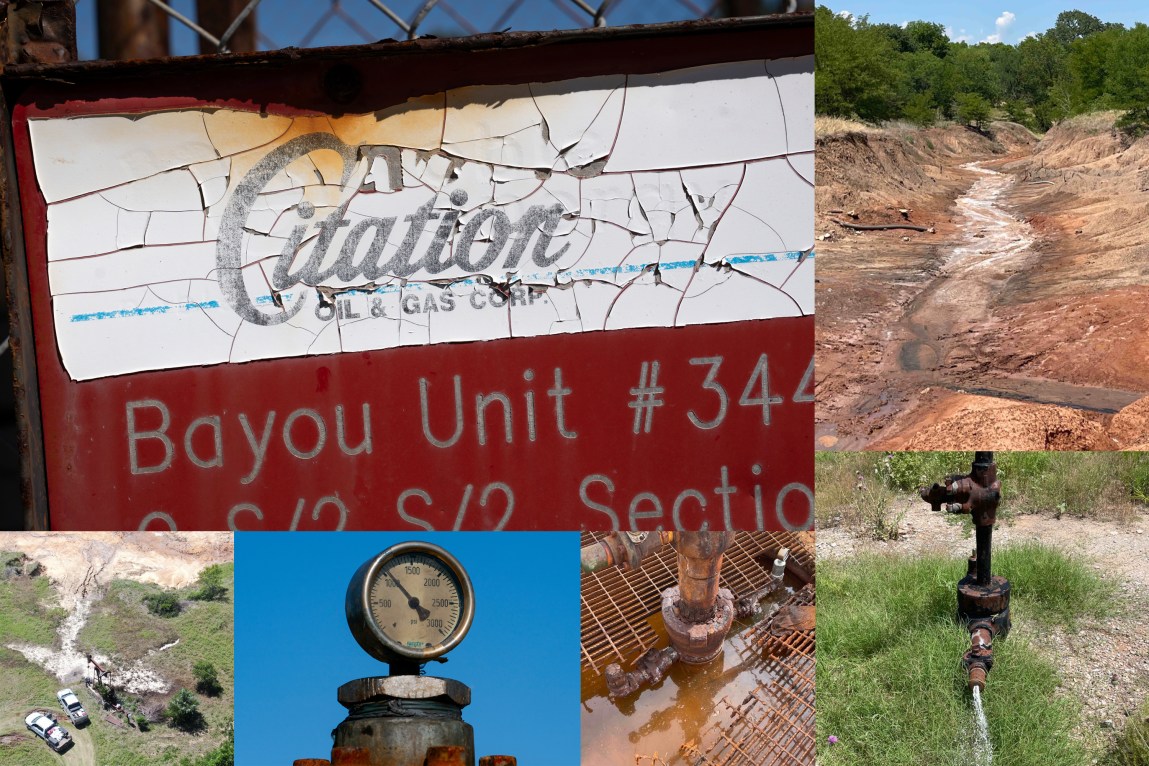
Photo illustration by Jovelle Tamayo/ProPublica. Source images: Nick Oxford for ProPublica, courtesy of Mike Faulkner, and obtained in an open records request from the Oklahoma Corporation Commission.
In June 2023, staff at an Oklahoma regulatory agency were fed up. The state isn’t known for cracking down on oil and gas companies for polluting the environment, but for over a year, the staff had been building a case to punish Citation Oil & Gas, one of the nation’s largest privately owned oil companies.
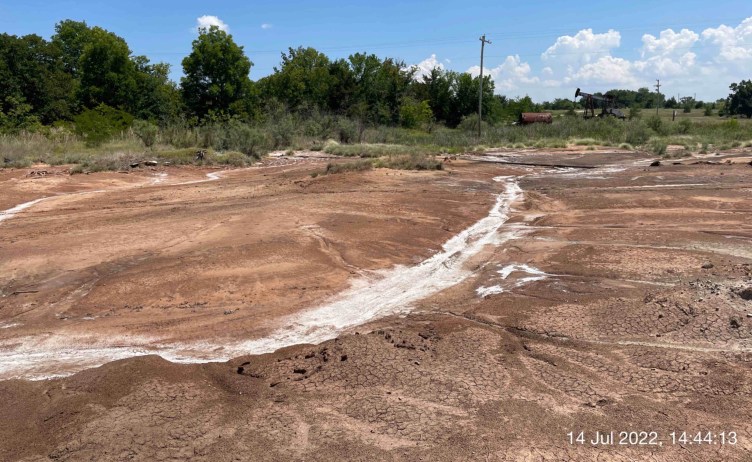
About 30 miles north of the Texas border, toxic wastewater was gushing from the ground outside the small city of Ardmore. In the mile-wide oil field known as the Bayou, an oily sheen glistened on creeks and long streaks of salt scarred the land. The so-called purges, bubbling up among stands of oak and walnut trees, also threatened drinking water sources, drawing attention from the Environmental Protection Agency, according to a federal report.
State investigators pinned the blame on Citation’s injection wells, which pump wastewater from oil production back underground at high pressures and volumes in order to produce more oil. But this injection came with risks.
Days earlier, the agency had asked Citation to cut injection pressures in half. The company refused, prompting staff at the oil division of the Oklahoma Corporation Commission, the state’s oil and gas regulator, to recommend an official punishment through the agency’s court system.
“This will be an important case to get some of these purges stopped and particularly concerning Citation’s operations,” Danny Ray, an agency manager at the time, emailed his colleagues.
He restated the urgency three days later in an email to oil division leaders and Citation officials: “We consider this an emergency situation that needs to be addressed promptly.”
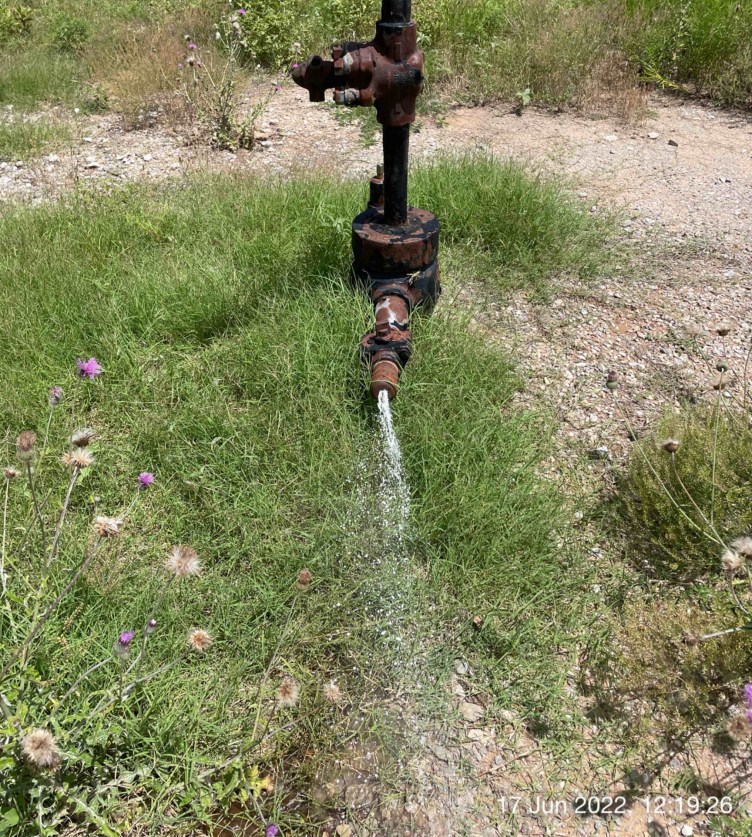
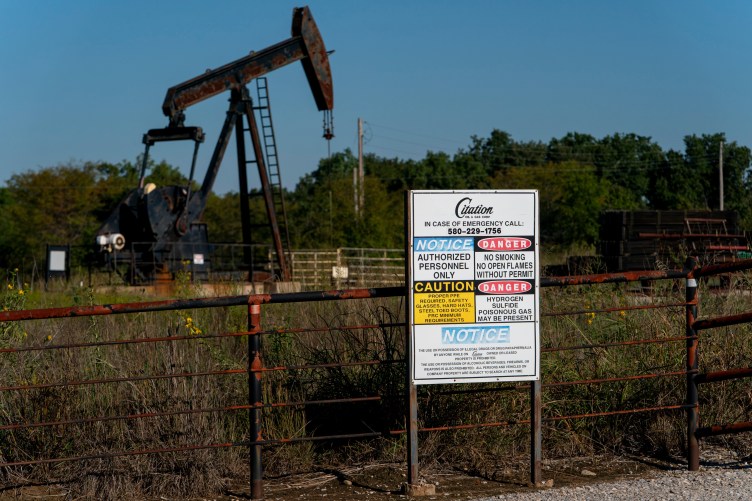
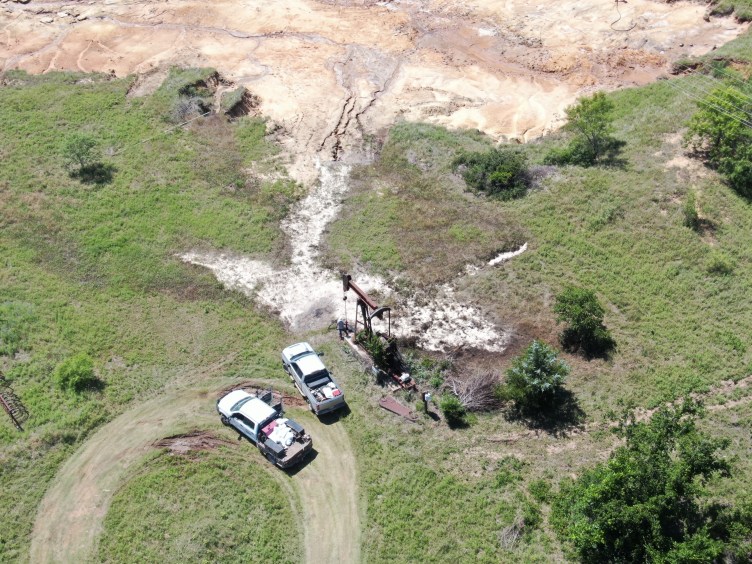
A salt scar in a southern Oklahoma oil field known as the Bayou in 2022Obtained in an open records request from the Oklahoma Corporation CommissionAn old well releases a stream of wastewater in the Bayou in 2022.Obtained in an open records request from the Oklahoma Corporation Commission
To stop the flow of wastewater, the agency temporarily shut down the Bayou’s 22 injection wells — all but three of which were owned by Citation — kicking off a yearlong fight over the terms under which injection could restart.
Under state rules, companies must not pollute, and oil and gas regulators at the Corporation Commission can revoke injection permits and issue fines to those that violate regulations.
But agency leadership ultimately did not follow staff guidance to punish Citation through the commission’s administrative law court. Instead, in April 2024, state officials, including the oil division’s then-Director Robyn Strickland, would allow Citation to restart injection at higher-than-recommended pressures.
In fact the commission has no record of ever fining or completing an enforcement case against Citation, the company named more than any other in the agency’s database of pollution reports and other rule violations, listed more than 1,000 times over the past decade. That’s hundreds more incidents than any other operator, including comparably sized companies. In recent years, purges linked to Citation include some of Oklahoma’s longest, most damaging oil field pollution events.
Current and former employees at the Oklahoma Corporation Commission describe top agency officials as wary of going after habitual violators like Citation. Citation has become Oklahoma’s second-largest well owner after taking over collections of aging, low-producing wells from oil giants that have largely left the state for more lucrative oil fields in Texas and elsewhere; the company acquired its Bayou wells in 2010. Regulators treat Citation gently, current and former agency employees say, because the company holds onto aging wells that are worth little — wells that could easily become a financial liability for the state if Citation were to sell or walk away from them.
A spokesperson for the Oklahoma Corporation Commission declined to answer questions about the regulatory agency’s handling of Citation’s record, noting the possibility of future enforcement actions or litigation involving the company.
“The OCC Oil and Gas Conservation Division must remain mindful of its regulatory and adjudicatory responsibilities and avoid making public statements that could potentially affect future proceedings or legal considerations,” spokesperson Jack Damrill said in an email.
Strickland has since left the agency for a job as chief projects officer for the Interstate Oil and Gas Compact Commission, a quasi-governmental organization that often advocates for industry interests. She did not respond to requests for comment.
A Citation executive declined to comment in response to written questions.
Regulators in other jurisdictions have at times come down hard on Citation, which owns wells in 11 other states. In 2017, the company settled with the U.S. Department of Justice for $2.25 million over allegations of underpaid royalties from drilling on federal land in Wyoming, though the settlement did not rule that the company was liable in the case. And in 2025, Utah reached a $700,000 settlement with the company after a crude oil and wastewater spill. Texas and Colorado have also fined Citation in recent years for violations.
“Citation has been the thorn in my side for a long time,” said a current manager at the Oklahoma agency who spoke on the condition of anonymity to protect their job. “They just operate however they want. They’ve had major pollution issues, and you can’t really touch them.”
A Citation Oil & Gas oil well in the Bayou. The company is named more often than any other in Oklahoma’s database of oil field pollution incidents and other rule violations.Nick Oxford for ProPublica
Preparing a Case for Punishment
In November 2023, five months into the wells’ shutdown, Citation was getting antsy. Its officials had repeatedly demanded permission to restart their wells and had even challenged the state through the commission’s court to prove the connection between the Bayou purges and its operations. Regulators and company officials packed into a small conference room in the Oklahoma Corporation Commission’s Oklahoma City headquarters to discuss how that might happen. More than a dozen others joined via video.
On the state’s side, a team of consultants took the lead, displaying a report with evidence that tied Citation’s injection to the wastewater that gushed to the surface in the Bayou. The state had hired the environmental engineering firm Halff earlier that year on a $550,000 contract to investigate the fast-growing number of oil field wastewater eruptions around Oklahoma. The consultants and agency staff presented a unified front in identifying the problem: Citation’s nearly two dozen Bayou injection wells were operating at unsafely high pressures, according to a video recording of the meeting obtained by The Frontier and ProPublica. Over the years, the injected wastewater had shattered underground rock layers, allowing the toxic fluid to spread uncontrollably.
“You definitely have overpressurization,” Carolyn May, Halff’s director of environmental remediation, told Citation officials as she presented her team’s calculations, which were based on well records, field data collected by agency staff and a standard set by the federal government. “It’s allowing that rock to fracture.”
The consultants were meant to serve as independent experts to mediate any disagreements within the agency over what to do about the wastewater eruptions, according to current and former commission officials.
In the meeting, May and agency staffers ticked off a number of problems with Citation’s wells that regulators had overlooked for years. Not only had they allowed the company to inject wastewater at excessive pressures, regulators had also given out more than a dozen exemptions to testing and well-construction standards that endangered groundwater. Several wells had checkered compliance records; agency documents noted that one had been in “perpetual violation” of its permit for “nine years running,” injecting tens of millions of gallons of wastewater beyond the legal limit.
Citation’s active wells weren’t the only issue, they said. Nearby were dozens of abandoned, unplugged wells that offered the pressurized wastewater open pathways to reach shallow freshwater sources and the surface. May singled out a handful of those wells that especially troubled her team, and oil division deputy director Mike McGinnis suggested that Citation permanently plug them.
May noted that imaging below the surface by agency staff showed a distinct plume of highly polluted wastewater rising from deep underground, where injection took place. This posed a threat to the freshwater sources beneath the Bayou, she said — water that some residents rely on for drinking and cooking. “That’s our primary concern here.”
The consultants were not alone in this fear. Earlier in 2023, the Environmental Protection Agency had warned of “potential endangerment to underground sources of drinking water” in the Bayou from oil field injection. Groundwater tests taken near the purge sites showed evidence of oil field wastewater pollution, including high levels of salt, bromide and the carcinogen benzene, which exceeded the EPA drinking water standard by five times.
For its part, Citation came to the meeting armed with a very different argument: the pollution was caused by a combination of historic oil drilling and recent rainfall — not by the company.
It was a claim the company had repeatedly made, especially in the months since the agency had shut down its wells. To bolster its case, the company’s consultants had produced a series of detailed reports citing the area’s history of oil production, along with Citation’s own water testing data. Oil drilling began in the Bayou in the 1920s, a time of lawless extraction, and for decades, companies would simply dump their wastewater into large, unlined pits, allowing the fluid to seep into the ground. Old pollution that saturated the land was being flushed to the surface by rainfall, the reports argued. Each one concluded that there was no link between Citation’s injection and the Bayou pollution.
At the meeting with regulators, company representatives reiterated these arguments. Jeff Lewis, a Citation engineering manager, assured the agency that the company’s data indicated that its wells were not behind the Bayou purges and that it could safely inject at pressures higher than Halff had recommended. He proposed that the company restart injection on its deeper wells because they were separated by layers of rock from the abandoned wells that Halff identified as likely pathways for the wastewater to surface.
Agency staff did not buy this. In prior internal meetings and emails, staff and consultants had criticized Citation’s water sampling practices as biased in favor of the company’s conclusion that rainfall was causing old pollution to resurface. There was no question that old pollution covered the Bayou, but in recent purges, wastewater had pushed to the surface in significant volumes, covering creek beds in layers of snow-white salt. Old pollution would not be this forceful, according to internal documents written by agency staff.
“A purge is created by pressure and is not due to old pits,” Ray, the agency manager, wrote in a memo distributed months earlier within the oil division that urged agency leaders not to allow Citation to restart injection.
May, the agency’s consultant, echoed these rebuttals during the meeting and said the state’s evidence pointed to an injection problem. She concluded her presentation with a warning: Citation must change its injection practices in the Bayou.
“If y’all want to start injecting again,” she told company representatives, “I think we’re going to have to look at those pressures and the volumes very carefully.”
The meeting ended without a resolution.
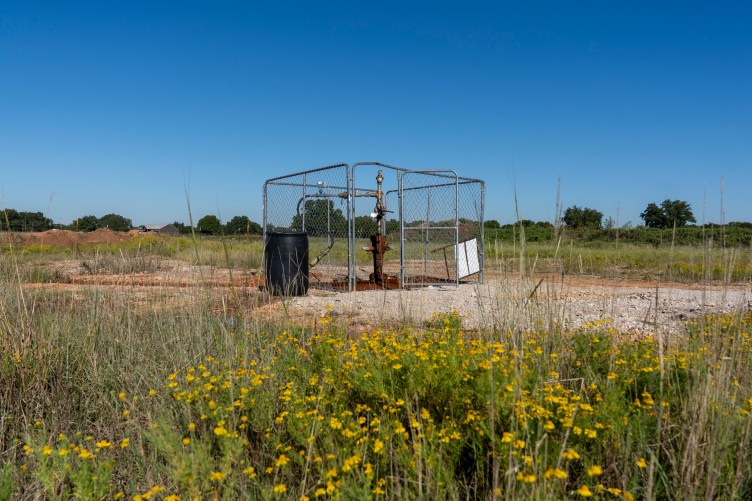
An injection well in the BayouNick Oxford for ProPublica
“They Wore Us Out”
Over the next four months, Citation and state regulators would continue to debate the terms of restarting the Bayou. Neither side budged. By the time they gathered for another face-off in March 2024, oil division leaders appeared weary of fighting.
May and the Halff geologists from the consulting firm began by again insisting that Citation substantially reduce pressures in order to be allowed to restart a handful of wells. But even as they presented their case, Citation representatives including Lewis, the engineer, and Bob Redweik, a company vice president, repeatedly spoke over them. After more than two hours of disagreement, Redweik and Citation’s attorney ended the meeting abruptly. “We’re not going anywhere,” Redweik said.
Several top oil division officials attended, including Strickland, McGinnis and commission attorney Tyler Trout. They remained largely silent throughout.
The next week, Trout tried to end the impasse by passing along a memo from Citation.
“In an effort to reach an agreement and move this situation forward,” Trout wrote to top oil division officials and May, “would we consider meeting Citation in the middle as far as recommended injection pressures are concerned?”
May stood firm. “From Halff’s standpoint, our recommendations aren’t going to change,” she responded, adding that it would ultimately be up to agency leaders.
In early April, the agency went with a compromise, approving a plan to bring seven of Citation’s 19 Bayou injection wells back online. The company would be able to inject at pressures higher than Halff had recommended, though less than Citation had requested.
Current and former employees say that the decision to restart injection came from the top of the oil division, including Strickland and McGinnis, among others — bypassing staff who objected to the plan. Like Strickland, McGinnis did not respond to requests for comment.
“They wore us out,” said an agency manager who spoke on the condition of anonymity to protect their job.
Before injection restarted, three oil division officials chosen by Strickland conducted a walkthrough of the Bayou with Halff and Citation, according to an email from Strickland. The rest of the division was left in the dark. That same day, a pollution abatement manager noted in an email to the commission’s general counsel that agency critics of the plan had not been invited.
Around the time agency leaders allowed Citation to restart injection in the Bayou, staff were drafting an extensive contempt case against the company for rule violations in other parts of the state, according to public records obtained by The Frontier and ProPublica. Field staff and consultants were still turning up considerable problems related to Citation’s injection, including excessive pressures at the sites of destructive eruptions of wastewater. The staff complaint called for the agency to issue fines and to terminate well permits. But oil division leaders never signed the paperwork for the case.
There was ongoing trouble in the Bayou as well. Weeks after Citation restarted injection, field staff discovered a “severely contaminated” private water well nearby that had been polluted by oil field waste. Testing showed high levels of salt as well as the “highest levels of bromide that we have ever sampled,” according to internal emails, referring to another chemical constituent of oil and gas waste that poses a public health risk. (The landowners declined to comment because of an ongoing lawsuit against Citation, but according to court records, they do not drink from the well. The company, which has fought the family’s claims, says in a court filing that it has spent hundreds of thousands of dollars addressing the pollution on their land as part of a plan approved by the commission.)
By the end of 2024, oil division leaders had allowed six more Citation wells back online, bringing the total to 13. And the next spring, the agency closed the Bayou investigation, along with several others related to Citation, without taking further action.
Collection of New Complaints
In the year and a half since the Bayou case closed, several of the oil division staff who had pushed agency leaders to punish Citation have left the agency, as have a handful of senior leaders. Staffers told The Frontier and ProPublica they grew frustrated with the agency’s unwillingness to crack down on repeat corporate offenders that agency staff had spent months — at times, years — investigating.
Tracy Case, an attorney for the oil and gas division, admitted as much at a national conference for oil regulators in Oklahoma City in May. “I’ve been there 11 years doing this and we’ve never pursued what we call our ‘bad actors,’” she said, according to a recording of a meeting obtained by the news outlets. She explained that the oil division is extremely short-staffed while dealing with hundreds of potential enforcement cases at any one time. An agency spokesperson declined to comment on behalf of Case.
Less than a third of the roughly 750 enforcement cases filed by the oil division in the agency’s administrative law courts since 2023 have resulted in punishment so far, according to a review by The Frontier and ProPublica. The average fine given out by the agency was about $1,700. The most common punishment was a $500 fine, combined with using company insurance money to plug unused wells.
Neither the Oklahoma Corporation Commission nor Halff responded to questions about whether the consulting firm still has a role at the state agency.
At the Bayou, nearly all of Citation’s wastewater injection wells are back on, many operating at pressures beyond Halff’s recommendations. And industry data indicates that Citation has ramped up oil production to pre-shutdown levels even as evidence of new purges continues to emerge. In September, fresh layers of salt — residue of the wastewater — covered the dirt near yellowish puddles of standing water. Nearby, streaks of oil shone on the ground. The preceding weeks had been hot and dry, with hardly any rain.
In early October, an agency field staffer requested that Citation install a specialized well in the Bayou to pump out polluted groundwater, according to a report in the agency’s incident database.
A slew of new pollution complaints against Citation have continued to appear in that state database, including more than 60 spills and leaks at well sites over the past year. Among the complaints were three purges that blew out in southern Oklahoma over the last three months. All those investigations remain active, according to state records.
Another ongoing complaint against Citation originated about 10 miles east of the Bayou, where a rancher named Mike Faulkner noticed an unusual amount of salt water gurgling to the surface and flowing down a creek on his land in April. Nearby, dozens of Citation wells pump wastewater underground.
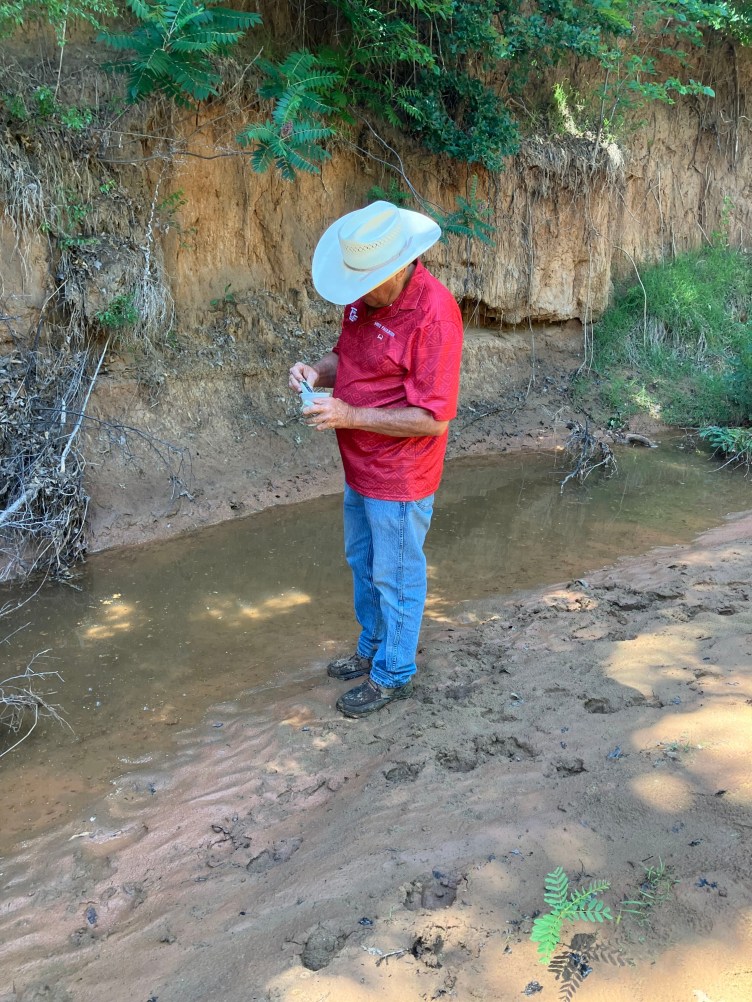
Rancher Mike Faulkner measures the water quality on his property in June.Nick Bowlin/The Frontier
In response, Citation once again blamed the pollution on old drilling practices, according to an email from one of the company’s engineers to the Oklahoma Corporation Commission.
Nevertheless, the agency told the company to temporarily shut down some of its nearby injection wells, and, according to Faulkner, the purge on his land dried up for the first time in years.
“That tells me that they know the why and the how of that saltwater purging,” he said in July.
The agency also instructed Citation to install monitoring wells to test for pollution and to build a pit with a rock dam on Faulkner’s land to catch the polluted water, along with a fence to keep the cattle out.
Faulkner’s land was scarred by salt water and contaminated by oil after a Citation well blew out in June.Courtesy of Mike Faulkner
But in the months since, the agency has given Citation multiple extensions on the deadline to build the dam and the fencing. In September, Faulkner learned that the agency granted Citation yet another extension — until December, seven months after his initial pollution report.
As of October, he said, the wells where the state had asked Citation to pause operations are injecting — at reduced pressure.
Faulkner said he is fed up with Citation’s yearslong pattern of degrading his pastures. But he blames state officials for their unwillingness to rein in the company.
“They’re like a spoiled kid,” he said. “They’ve just gotten away with it for a long time.”
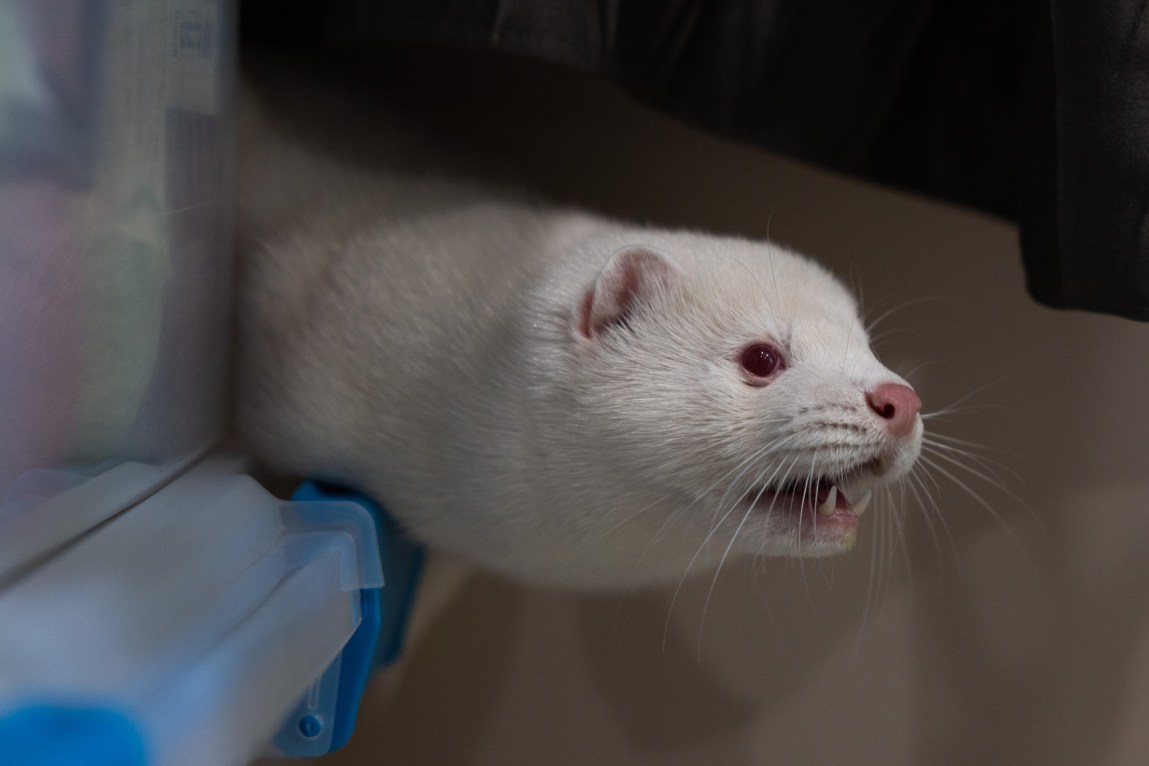
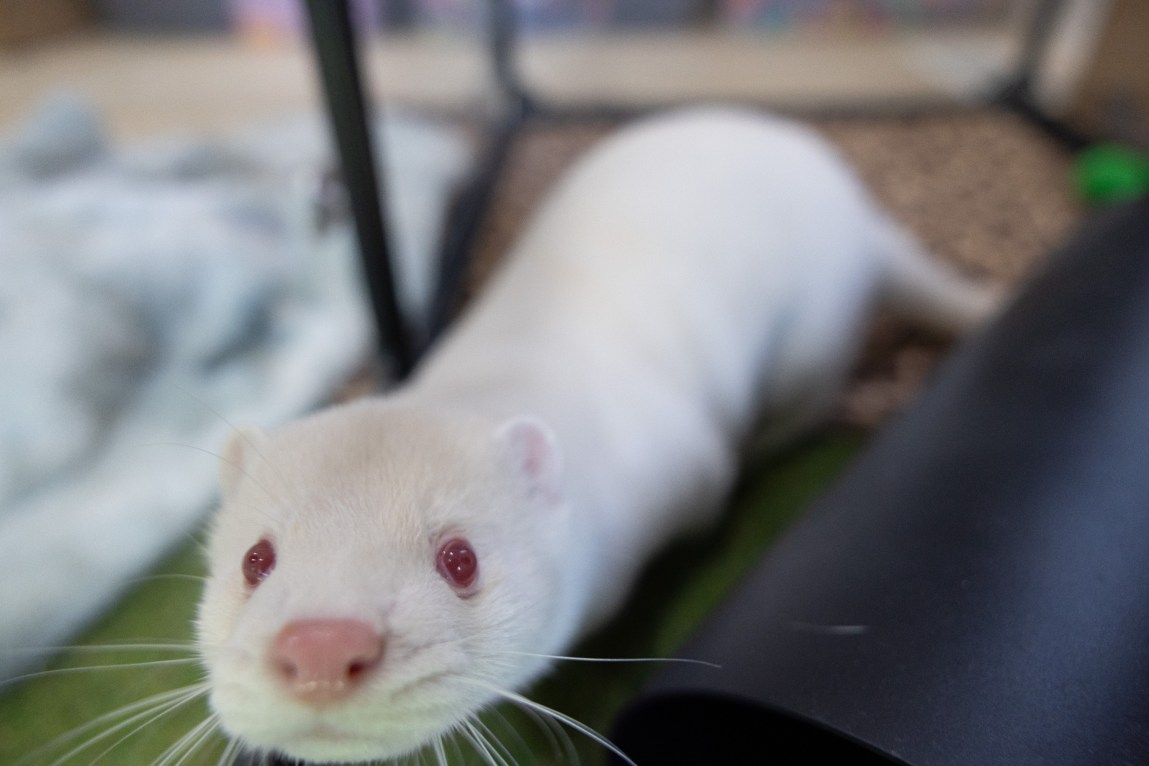
A rescued mink from a Utah fur farm Julie Leopo for ProPublica
The strain of bird flu that’s ripped through American barns for the last four years has killed two people who caught it from sick animals. But as far as anyone can tell, humans can’t spread it. The virus has remained a true “bird” flu, tailored to attach to avian cells, not invade human throats and noses, where coughing and sneezing reliably spew droplets.
Under the right conditions, however, that could change. A single mutation could give the bird flu a foothold in people and spark a pandemic that experts fear could be deadlier than COVID-19.
For that to happen, this bird flu would likely need to find an intermediate host — an animal vulnerable to viruses that infect both birds and humans. These animals would be crowded together, each infection raising the odds that a new strain could arise through mutation. Then, for that strain to jump across species, it would have to have access to humans and time to spread among them undetected.
That perfect petri dish exists right now, a ProPublica investigation found. For over two months, an outbreak of bird flu has raged uncontrolled on a Utah farm that raises thousands of mink for fur. Mink have lungs and airways that on a cellular level are remarkably similar to those of people; they have caught and spread other flus and infected some humans with COVID-19.
Instead of trying to stop the outbreak and prevent it from spilling into humans, state and federal officials have done little except try to keep its existence quiet, our investigation shows. The failure to act amounts to a cascade of missteps flu experts called “irresponsible” and “puzzling.” One called it “playing with fire.”
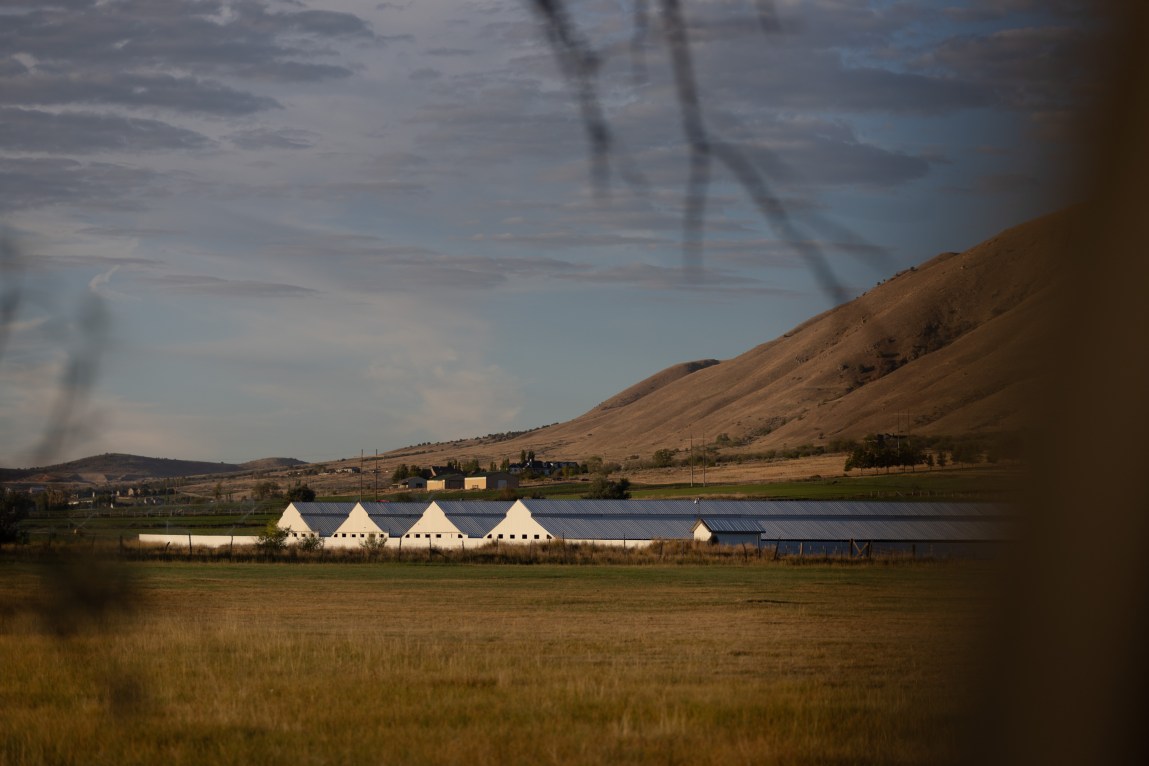
C&T Fenn Farms, a mink fur farm west of Provo, Utah, on Sept. 25Julie Leopo for ProPublica
Utah agriculture officials learned in mid-August that mink were dying of bird flu on C&T Fenn Farms, about an hour’s drive south from Salt Lake City, according to communications released under the state’s public records law.
Had poultry been infected, the playbook would have been clear: The strain is so virulent that if a single chicken tests positive, the U.S. government requires farmers to kill the whole flock to protect other farms as well as public health. Poultry farmers are reimbursed for the loss.
But there are no federal rules for how to deal with sick mink.
Handling Utah’s response was state veterinarian Amanda Price, who sought help from the U.S. Department of Agriculture, which takes the lead on bird flu outbreaks involving poultry and cows.
USDA officials said they didn’t regulate mink or have a vaccine that was approved to give them. And though officials with the Centers for Disease Control and Prevention spoke with Price’s health department counterparts who were less involved with the outbreak, they never talked to her, and she never reached out.
The threat of spillover has been far from the minds of Utah officials, records and interviews show. Instead, front and center have been the interests of a business raising animals to skin for luxury pelts to ship overseas.
“It has been devastating,” Price told ProPublica of the outbreak and its impact on the farm’s owner. “This is his life’s work that he’s seeing be destroyed. I really hope that you understand the humanity behind this situation.”
Flu experts were unequivocal that the government should have ordered the farm to cull its mink, as other countrieshave done.
But Utah never seriously considered it. A fur trade representative warned Price that doing so would kill the business and, ultimately, the industry. Farms spend decades breeding mink to develop unique genetic lineages.
“There’s just not a lot of options out there other than kind of sitting and waiting and seeing what happens,” Price said, noting that USDA officials did not urge her to kill the mink or make her feel like bird flu in mink was any riskier than infections in other animals that have caught it, like ducks and cows.
Flu experts found that response surprising.
“Every other country that I’m aware of that has had H5N1 in fur farms, depopulation has happened pretty quickly,” said Tom Peacock, an avian influenza researcher at the Pirbright Institute. “The fact that the first instinct wasn’t just to depopulate and figure stuff out later is very concerning to me.”
And all the while, officials didn’t monitor the mink workers for symptoms, as guidance from the CDC urges.
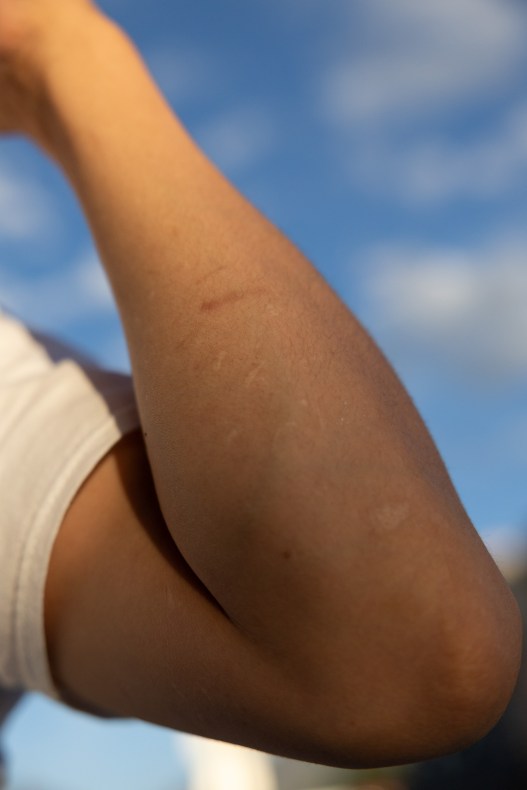
Their exposure is significant: Mink sneeze. They escape. They attack. “The mink are fierce,” said a Spanish-speaking “minkero” who works on a nearby farm, showing the scars he got from the aggressive, solitary creatures. “You get scared because the fucking thing bites, and it claws at you.”
A mink farmworker, sometimes referred to as a “minkero” among the Spanish-speaking community, shows scars from mink bites and scratches in Payson, Utah. Workers typically wear long gloves to protect themselves but can still be bitten or scratched.Julie Leopo for ProPublica
Right now in Washington state, officials are working to track down the contacts of a symptomatic person exposed to dairy cattle infected with bird flu. The patient is isolating at home. Utah public health officials used to do similar, proactive monitoring. But they stopped after complaints from their colleagues in the agriculture department that farmers were annoyed by it.
“Us doing active monitoring was making it so that farms didn’t want to work with them,” said Pamela Gomez Pinedo, a respiratory disease epidemiologist for Utah’s health department. As a result, public health workers had a “pretty difficult time” getting details from agriculture officials, she said.
As part of a 2025 agreement, the Utah Department of Agriculture and Food agreed to share information about bird flu outbreaks on farms — so long as the health officials didn’t do anything to track workers’ health.
“We will only do active monitoring in the case of evidence of human-to-human transmission,” Pinedo said in emails with a CDC epidemiologist. As the outbreak stretched to a month, CDC officials expressed concerns, asking how anyone would know if a worker had been infected if they weren’t getting tested.
Price said the state’s policy not to monitor workers is meant to allow farmers to decide whether to contact the health department, rather than “forcing it on them.” “If we started seeing people actively dying from this, obviously that would change how we respond to this,” she said.
A telltale sign of bird flu infection in humans is eye redness. It is present in over 90% of cases and is often the sole symptom a person displays.
Last Saturday, a ProPublica reporter tracked down two people who worked at the Utah mink farm. One had a visibly red eye.
After ProPublica reached out to the farm, its owner, Chad Fenn, contacted the Utah County Health Department about the red eye, which had cleared up by Monday, he told ProPublica. He said the worker got dust in his eye; the department didn’t recommend testing.
“They’re not going to do anything,” Fenn said. “They said they don’t see that there’s a need.” He said the department recommended testing only if other symptoms, like a cough or sore throat, developed.
A half dozen flu experts had no shortage of adjectives to describe their disbelief at the government decisions not to cull the mink or monitor and test the workers.
“It’s amazing to me,” said Gail Hansen, a former Kansas state public health veterinarian and epidemiologist. “Utah doesn’t want to be the epicenter of the next human flu outbreak, right?”
Most of the new viruses that have shaken humanity in the past century have spilled over from animals. Ebolas likely came from fruit bats; HIV, from chimpanzees. The leading theory for COVID-19 is that it jumped from bats to humans via an intermediate host mammal such as a raccoon dog. And all the modern flu pandemics have been bird flu viruses that mutated to spread in humans.
That’s not happening in Utah, experts said after reviewing ProPublica’s findings. Both the state and federal government are to blame.
“There’s no leader of this ‘one health’ team to take charge,” said Erin Sorrell, a senior scholar at the Johns Hopkins Center for Health Security. “That is going to allow the virus to continue to circulate, potentially adapt and potentially spill over into another host, whether it’s avian, mammalian or human.”
This strain of bird flu, which began ripping through American poultry farms in early 2022, has proved adept at jumping to other species. It took hold in cows in 2024 and since then has run rampant through dairies.
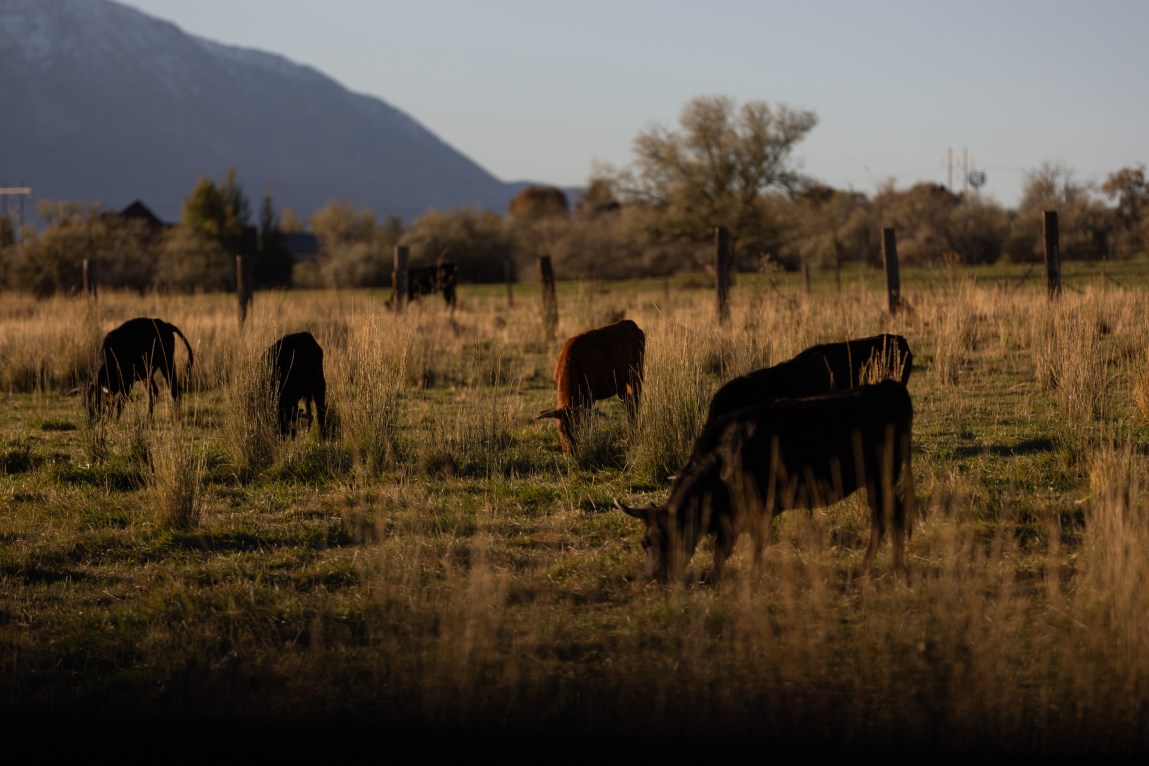
Yet federal guidance to prevent the spread into mink farms hasn’t considered cows a threat. Farmers are encouraged to keep wild birds from infiltrating their barns and avoid feeding them raw poultry. It has said nothing about feeding beef parts to mink, which farmers commonly do in summer months to encourage the animals to put on weight and grow.
The genomic data from the samples of mink lungs and brains sent from Utah to a USDA lab shows that the mink were stricken with the same strain of the virus that has spread in dairy herds. Officials said they didn’t know whether contaminated beef was the way the mink got infected.
Cows graze in a field in Utah Valley, Utah.Julie Leopo for ProPublica
In mink, the dairy strain of bird flu may have found a much better host for mutating into a human flu, because mink airways have an abundance of the type of cell receptors in people’s throats and noses that are a common pathway for infection.
A 2024 study of the dairy strain of the bird flu found that a single mutation could switch the virus from preferring the bird-type receptors to human-type receptors. And in studies using ferrets, a close relative of mink, the virus acquired mutations that let it attack human-type cell receptors.
It’s not clear to scientists just how much of an evolutionary leap would be needed for this strain of bird flu to spread among humans, or whether mink are the host that would allow that leap to happen.
How this ultimately plays out “really depends on what happens with the virus,” said Meghan Davis, an epidemiologist at Johns Hopkins University.
“We might get lucky, and a response that is not robust may not have dire consequences,” she said. “But we may get unlucky.”
There’s also a risk of something called “reassortment,” where another flu virus could infect the same cell as a bird flu virus and swap wide swaths of genetic code already adapted to humans.
When the outbreak in the mink farm started, there was very little seasonal flu it could mix with, but September saw one of the earliest starts to flu season on record, compared with November, when flu normally takes off.
“The most likely scenario for a pandemic is that we have a virus that reassorts with another virus,” said Jennifer Nuzzo, director of the Pandemic Center at the Brown University School of Public Health. “Obviously, having this circulate amid human flu season is not great.”
Utah officials were far more responsive to the threat of spillover in 2020, when outbreaks of COVID-19 spread explosively on mink farms – including this very farm. They invited federal officials to the state to research how the virus adapted and moved.
There are no similar efforts now in Utah with bird flu.
A USDA spokesperson told ProPublica that it was more involved in 2020 because the virus that causes COVID-19 had “significant” potential to transmit between humans and animals and vice versa.
Scientists with the USDA sequenced and published bird flu genomic data from the first samples of dead mink. Those sequences didn’t show any particularly concerning mutations, experts and the CDC told ProPublica.
But in the past two months, experts said, the virus is sure to have continued mutating as it spread – it’s only a question of whether those mutations could confer some advantage in infecting humans as well.
“As long as it continues to go mink to mink, then it becomes more and more likely that it could jump to a human,” Hansen said.
Fenn said new samples were taken two weeks ago. Price said she is still waiting for the results.
John Korslund, a retired USDA official who helped coordinate the response to COVID-19 on mink farms several years prior, was one of several experts who said officials need to look closely at newer genetic samples to see how the virus is evolving.
“I really want to know what the virus has done, from when it started to today,” he said. “Are we getting accumulated mutations making the virus more dangerous?”
Mink have the type of cell receptors that a seasonal flu will target in human throats and noses.Julie Leopo for ProPublica
ProPublica began reporting on the outbreak late this summer after the USDA updated a bird flu dashboard that showed seven captive mink had tested positive in Utah. But neither the USDA nor state officials had said anything publicly, and, when asked, they wouldn’t discuss what was actually happening on the farm.
Willy Lanier, a public health veterinarian with the state health department, told colleagues to keep the outbreak under “closer hold” than outbreaks of bird flu on poultry and dairy farms. Keeping the information confidential was consistent with state protocol, a spokesperson in his department said, adding that it was still shared with local health officials. But when ProPublica reached out to the spokesperson for the Utah County Health Department about a possible bird flu outbreak, she said, “That would be news to me.”
Price is so deferential to the family that owns the farm that she has not set foot on the property.
“We might get lucky, and a response that is not robust may not have dire consequences. But we may get unlucky.”
Meghan Davis, Johns Hopkins University epidemiologist
“I’m really the only one here at this facility that’s been dealing with the producer. They’re a very private bunch,” Price said. “A lot of what I’m going off of is what I’ve seen from Google Maps, what I’ve talked to the producer about, what I’ve talked to the vet about. I haven’t felt the need to go out there based on those conversations.”
She said she “became very comfortable” in conversations with the owner that the virus wouldn’t spread off the farm. It doesn’t have animals moving on and off over the course of the year like on a dairy or poultry farm; mink leave only when they’re slaughtered and skinned for pelts at the end of the year. She also said that she was confident the owner would recapture any escaped mink.
Short of a formal quarantine, Price gave the farm a “verbal hold” to not move any mink, or manure or carcasses, off the farm. “We haven’t seen spread off of this farm. We have not had additional cases in Utah that are linked to this, so thus far the verbal hold orders and the measures that have been taken look to be successful: There is not spread happening from this farm from this case.”
Price’s assertion didn’t allay the concerns of experts that ProPublica spoke with. When poultry test positive for this strain of bird flu, all nearby farms are quarantined and tested for the virus. But the approach in Utah relies on farms reporting cases or the public calling in reports of dead birds in the area.
“If you’re not looking for something, you won’t find it,” Sorrell said. “Unless you’re doing active surveillance, you can’t claim that you haven’t had cases.”
Fenn told ProPublica his conversations with state officials made him less worried about any kind of spread. When the outbreak started, Fenn said, he asked whether the bird flu could infect people.
“Right off the bat, the state people we reported to, they said you don’t need to worry too much,” Fenn said. “My guys wear masks every day. They have glasses they can wear,” Fenn said. “ Me? I don’t wear it at all. Never have, never will, because I’ve been doing it for 40 years.”
Fenn said he wished he could vaccinate the mink for bird flu to keep the rest of his animals from catching it and dying; Price asked the USDA about a vaccine that had been used to save endangered wild species but said she got nowhere with that request. The USDA told ProPublica its division responsible for protecting animal health has no “species-specific regulatory authority or dedicated programs” for vaccinating mink, depopulating them or paying owners back for such a culling.
Fenn told ProPublica he thinks concerns about mink as a particularly risky bird flu host are trumped up by anti-fur activists, the same forces that he believed were behind the reactions in Spain and Finland, which depopulated mink farms hit with bird flu. “Europeans are a little scared of everything,” he said. “They’re going to do what they’re going to do, and here in the United States, we’re going to do what we’re going to do.”
Price said she was aware that Finland and Spain had depopulated their fur farms when the same strain infected them. “I didn’t really look much further into it,” she said, explaining that she was interested in those cases only for lessons about how to handle the outbreak, but not the particular reasons those countries chose to depopulate the farms.
A USDA spokesperson said Congress would have to specifically fund a program to depopulate mink. (The program to cull poultry to stop the spread of bird flu has cost well over $1 billion since 2022.)
The events in Utah are a “clear warning sign” about the dangers of mink farms, said Neil Vora, executive director for the Preventing Pandemics at the Source Coalition.
“Fur farms are to produce pelts purely for luxury goods, to make fancy coats,” he said. “It’s absurd that we’re willing to gamble with the lives of millions of people just to keep an industry alive.”
The industry has struggled as American consumers increasingly reject fur. Though domestic farms peaked about a decade ago, selling luxury pelts that often ended up in China, foreign farms have sprung up, threatening the business.
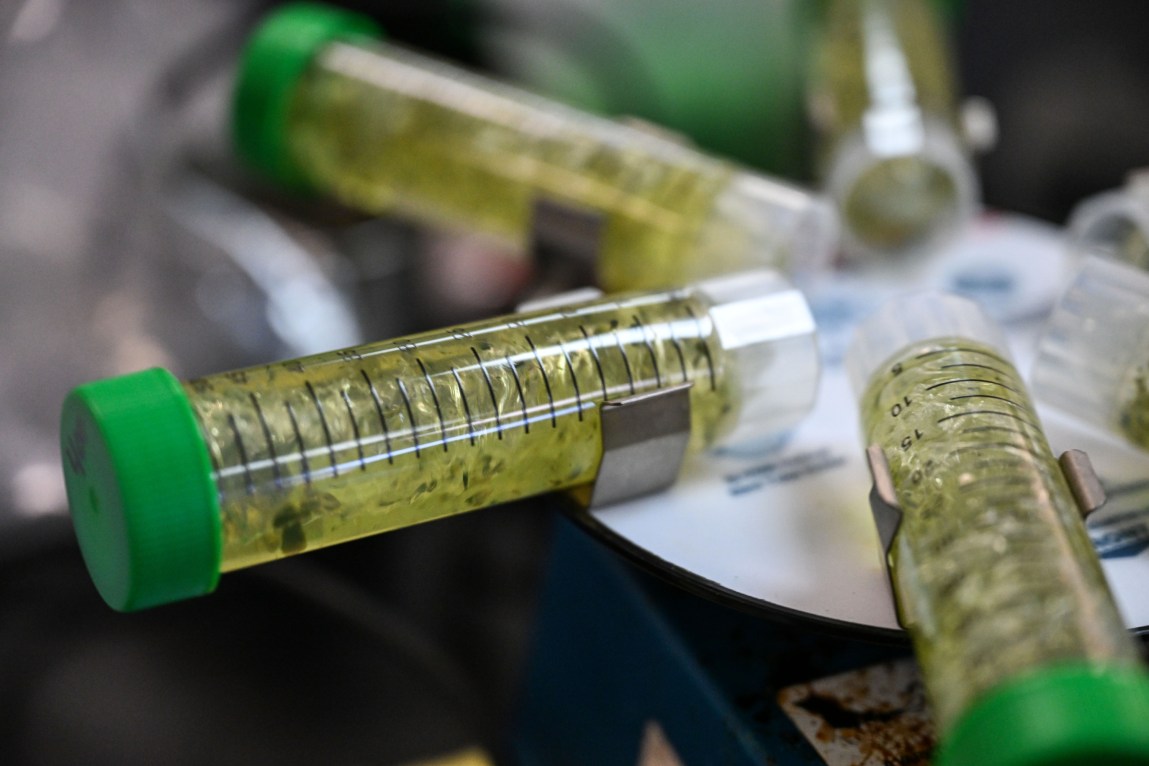
Cannabis samples in the process of testing at Kaycha Labs in Denver Stephen Swofford/The Denver Gazette
The agency charged with regulating Colorado’s first-in-the-nation legal recreational marijuana market potentially put consumers at risk of using contaminated products, a new state audit found.
The report pointed to inconsistent oversight by the Marijuana Enforcement Division and loose state rules around testing marijuana products or contaminants. As a result, it found, nearly 75% of marijuana processed for eventual sale from 2023 through 2025 evaded testing for pesticides.
The audit, released Monday, identified a host of issues, including regulators’ failure to meet regular inspection schedules or to conduct sufficient random checks at dispensaries for contaminated products. It also found that delayed agency warnings to the public allowed potentially contaminated products to remain on shelves for months, sometimes years.
In one case highlighted by the newsrooms, it took 15 months for a manufacturer to discontinue production of a marijuana sleep aid pill despite consumers warning regulators that the product was harming their livers. The pills had herbal extracts that researchers say can cause liver damage.
Auditors said they did not identify evidence of “widespread health and safety issues” but did find that deficient regulations still left consumers vulnerable.
The audit found that unsafe products had remained on the market for as long as three years before the Marijuana Enforcement Division issued a public warning. The auditor’s review of the agency’s health and safety advisories found that, on average, from 2023 through 2025, contaminated products that were the subject of an advisory remained on shelves for more than seven months. That’s the same number of months the news organizations found contaminated products stayed on shelves before warnings were issued.
The audit also found that it took the agency three and a half months, on average, in 2025 to issue an advisory once it launched an investigation into potential contamination. Even after investigators determined an advisory was needed, it still took the agency a month on average to issue one.
“These issues limit MED’s ability to meet its core objective to identify product safety risks and to help ensure that licensed marijuana businesses meet product safety requirements,” the audit stated. “As a result, there is an increased risk that marijuana products sold in Colorado may have contaminants or that the potency listed on the labels is inaccurate.”
Colorado allows marijuana businesses to test far less frequently than required by state guidelines if they can show consistent compliance with testing rules. The reduced testing program results “in a significant portion of the marijuana product being sold in Colorado not undergoing testing to ensure it is safe,” the audit stated. Manufacturers also can rely on other testing exemptions, such as for certain marijuana-derived skin and body products, but there is “limited MED oversight” of how manufacturers determine they qualify for an exemption.
Auditors reported that a survey of MED investigators found that more than half said there are or may be widespread marijuana product safety issues in Colorado’s regulated market.
In a statement released Monday night, the Marijuana Enforcement Division emphasized that state auditors found no evidence “to support claims of widespread health and safety issues” with marijuana products for sale in Colorado, but the agency agreed the audit identified areas for improvement. It said that among other things, it would be assessing exemptions to tests currently allowed under state laws and regulations.
The state auditor’s review “allows us to take a critical look at how we can continue to carry out our work, consistent with our commitment to integrity, safety, and continuous operational improvement,” Dominique Mendiola, senior director of the MED, said in a statement.
The auditor’s report highlighted a criticism her agency has repeatedly sidestepped: the absence of independent collection of samples for safety testing. The Denver Gazette and ProPublica found that more than half of states with regulated marijuana markets rely on private labs or an independent third party to collect samples. Colorado marijuana businesses are free to collect their own samples submitted for testing.
The enforcement division’s own investigators told auditors that, as a result, Colorado relies largely on an honor code to ensure the safety of marijuana sold in the state’s dispensaries.
Auditors said that allowing businesses to select their own samples “increases the risk that businesses do not pick samples that are representative of the overall quality of their marijuana product.”
MED regulators at the start of the year said they planned to pursue an overhaul that would have required private lab personnel to collect samples, but they abandoned that effort after manufacturers said it would increase their costs. On Monday, Kyle Lambert, the enforcement division’s deputy senior director, told legislators that the agency opted against an overhaul this year, chiefly because he said it would be a geographic challenge to do away with self-sampling for rural businesses.
“It was decided now wasn’t the right time to propose that as a policy change,” Lambert said, adding that the agency still might revisit the issue.
State Sen. Byron Pelton, a Republican from Sterling, pushed back, saying it was a loophole he thinks the agency should consider closing.
“If I’m a shady character, I know which products I’m going to go sampling and which ones I’m not,” he said. “That’s a pretty gray area to me.”
The audit also questioned the agency’s reliance on businesses voluntarily recalling contaminated marijuana products, saying that “some of these recalls did not succeed at stopping the businesses from selling potentially unsafe product.”
Just last month, The Denver Gazette and ProPublica reported that a Colorado manufacturer voluntarily flagged 49 of its popular marijuana vapes for recall, nearly six weeks after a third-party lab notified the company and regulators that it detected methylene chloride, a chemical the Environmental Protection Agency has sought to ban for most uses because it can cause cancer. The MED issued a health and safety advisory a day after the publications first reported the manufacturer had warned dispensaries to stop selling the vapes, which consumers had been purchasing for over a year.