Tag: Internet of Things

  • Google disrupts XCPE botnet, bans the company behind it

    Google shut down the servers behind XCPE, a backdoor hidden in the firmware of Android TV set-top boxes. Google’s Threat Intelligence Group attributes the operation with high confidence to Videostrong Technology, the company that manufactured many of those boxes. More than 1.3 million devices were enrolled. XCPE malware overview (Source: Google) Access The business model was access. Researchers say the company sold entry to its customers’ living rooms to criminal affiliates, who pushed their own … More →

    Source: Help Net Security · 2026-11-02

  • New wave of fridge cyberattacks hits European supermarkets, this time in Belgium, Luxembourg, Sweden and Estonia

    New wave of fridge cyberattacks hits European supermarkets, this time in Belgium, Luxembourg, Sweden and Estonia

    A new wave of fridge cyberattacks hit supermarket refrigeration systems across five European countries, raising temperatures and causing food losses.

    A new wave of fridge cyberattacks has affected supermarket refrigeration systems in several European countries. Fridges and freezers suddenly rose in temperature overnight, with some incidents suspected to be caused by hackers. On Monday, November 2, Ahold Delhaize and Colruyt reported an IT incident affecting dozens of stores in Belgium and Luxembourg. Swedish supermarket chains ICA and Coop also reported similar problems.

    “Ahold Delhaize and Colruyt said on Monday that an IT ​incident overnight hit fridges and freezers in dozens of stores in Belgium and Luxembourg, while Swedish grocers ‌ICA and Coop reported similar temperature spikes, with one store blaming a cyberattack.” Reuters states.

    “Problems were discovered at several grocery stores in Sweden overnight Monday.” reported Sweden Herald.

    “We are aware that a limited number of stores were affected by an incident overnight that affected their refrigeration and freezer systems. Ica is providing support in handling the incident, Ica Group press officer Gustaf Nilsson tells TT.”

    The latest incidents follow a similar wave of fridge cyberattacks in France last month. In mid-October, a large cyberattack hit the refrigeration systems of hundreds of French supermarkets, BFMTV revealed. The attackers targeted equipment from the Danish maker Danfoss that many French stores use to regulate their cold. Fresh and frozen stock was destroyed, and the Paris prosecutor says there were also fires.

    The method is simple and nasty. Refrigeration systems have a forced defrost function that clears ice buildup, and the attackers appear to have triggered it remotely in a continuous mode, with a temperature setting of 50 degrees. The equipment heated for several hours instead of keeping goods cold, and when staff opened the fridges and freezers in the morning, a sector source told BFM, “a wave of heat” came out.

    The attack caused fires and food losses. However, cybersecurity consultant Emil Olofsson of Integrity 360 told Swedish news agency TT that temperatures reached 80°C in some cases and several units caught fire. This figure differs from the one reported by police.

    ICA Kvantum in Sjöbo said on Facebook that a cyberattack caused the refrigeration problems. ICA Hägerstensåsen in Stockholm was also reportedly affected. According to the Sjöbo store, the temperature inside its fridges and freezers rose to 50°C.

    In Belgium, Delhaize detected unusual temperature increases in its refrigeration systems on Monday. Spokesperson Sarah De Meester said the company is investigating the incident.

    Stephan Moelans, CEO of Sabcobel, the company that manages Delhaize’s refrigeration systems, told news agency Belga that hackers had switched the units’ evaporators to defrost mode. His office declined to comment to Reuters. Colruyt Group, which operates Spar stores in Belgium through a franchise system, said five stores had suffered attacks on their refrigeration systems. Meanwhile, Belgian newspaper Le Soir reported that dozens of Delhaize and Carrefour stores were affected.

    It follows a similar attack in France last month. Police said hackers seized control of the cooling units at hundreds of supermarkets and raised temperatures as high as 50 degrees Celsius (122 Fahrenheit), which caused fires and food losses. Cybersecurity consultant Emil Olofsson of Integrity 360 told TT, Sweden’s news agency, that temperatures there reached 80 degrees and some units caught fire, a figure that differs from the police number.

    In Belgium, Delhaize noticed temperature increases in its cooling systems on Monday, spokesperson Sarah De Meester said, and the company is investigating. Stephan Moelans, CEO of the refrigeration firm Sabcobel, which runs Delhaize’s systems, told the news agency Belga it was a cyberattack that switched the units’ evaporators to defrost mode. His office declined to comment to Reuters. Colruyt Group, which runs Spar stores in Belgium under a franchise system, said five shops had their fridge systems attacked, and Le Soir reported that dozens of Delhaize and Carrefour stores were affected.

    Ahold also reported a cybersecurity incident to Dutch police last month, after it detected suspicious activity in its infrastructure. Nothing in the reporting ties that report to Monday’s incident.

    In Sweden, John Billow, head of the national cybersecurity centre, told Reuters his team was working on several incidents involving refrigeration systems in grocery stores around the country. An ICA Kvantum store in Sjöbo said on Facebook that a cyberattack caused its problems, and an ICA store told its followers that its temperatures had been “hacked” overnight and set to 50 degrees. Fifty degrees is fine for a beach and poor for ice cream. That store later said it had opened.

    At ICA Baronen in Stockholm, a notice said all the freezers were broken because of a cyberattack. The sales manager said the attack came at 2 a.m. and staff noticed it at 5:30 a.m. ICA Hägerstensåsen in Stockholm was reportedly hit too.

    ICA said only a limited number of stores were affected and that it is helping them deal with the incident. However, press officer Gustaf Nilsson did not say how many stores were involved.

    Coop told Swedish news agencies Aftonbladet and TT that six stores in central Sweden had similar problems. Press manager Carlos Cancino said it was still unclear whether any food would need to be thrown away or whether the refrigeration units had simply stopped working or had switched to heating mode. He also did not rule out further incidents affecting other stores.

    An Estonian supermarket chain was also affected. Its refrigeration systems were reportedly set to 50°C, technology provider Kitman Coldtech told public broadcaster ERR. CEO Jann Mutso did not reveal the name of the supermarket chain, saying: “This is very recent. It happened this morning.”

    How did the attackers get in? In France, Olofsson says they obtained login details for the control systems, which were exposed directly to the internet. He says the attack targeted a product that controls the cooling systems and that the hack isn’t very complicated, so amateurs may have carried it out.

    Billow says Swedish authorities have noticed in recent weeks that quite a lot of exposed operational technology devices exist in Sweden, and they’ve been clear that these must be updated or patched.

    Refrigerators and heating systems, security cameras and alarm networks were once largely mechanical, and now they can be monitored and controlled remotely. That gives cybercriminals new openings. Authorities haven’t said who was behind last month’s incidents, and nobody has claimed responsibility.

    The Sweden Herald reported that the cause of the attacks on Swedish supermarkets remains unknown.

    Follow me on Twitter: @securityaffairs and Facebook and Mastodon

    Pierluigi Paganini

    (SecurityAffairs – hacking, fridge cyberattacks)

    Source: Security Affairs · 2026-11-02

  • Bloatware in Aftermarket Auto Parts

    This story is interesting:

    One Civic owner purchased a cheap aftermarket head unit off Amazon, and decided to have Claude work its magic on it, like it would a smart TV. What was reportedly discovered isn’t surprising, but is worth knowing about.

    Among the pre-installed bloatware—­or spyware, if you’re being less charitable­—was a voice assistant equipped with WebView, an Android system component that lets apps display content off the web. This apparently always used about a third of processing power, even while idle, which isn’t great. There were also Baidu location services, a call recorder (!), a DAB radio client that is pretty much useless in the U.S., and Adobe Acrobat, presumably so your passenger can entertain themselves with PDFs on the go.

    It’s interesting because it exposes all the insecurities in this piece of IoT software. But I think the real story is that a random person was able to do this reverse-engineering with the help of AI. Expect a lot more stories like this in the future.

    Source: Schneier on Security · 2026-10-30

  • Smart TVs can harbor unpatched security flaws and track what you watch

    Smart TVs and connected plugs accounted for a large share of recorded security weaknesses in household devices, according to Bitdefender’s 2026 IoT Security Landscape Report. The analysis covered approximately 10.4 million protected home routers between January and September. Televisions represented 22.7% of vulnerability observations, followed by smart plugs at 22.4% linked with a known software flaw. Top vulnerable device families (Source: Bitdefender) Household electronics can stay in use for five to ten years, while their … More →

    Source: Help Net Security · 2026-10-30

  • US Probes Suspected Hack Behind Military Base Freezer Failures

    US Probes Suspected Hack Behind Military Base Freezer Failures

    The Pentagon treats August freezer failures at US military bases as a suspected hack and is working with French investigators after a supermarket attack.

    The Pentagon is investigating freezer failures that spoiled food at US military bases in August as a suspected cyberattack, according to four officials who spoke to Reuters. One official said US investigators are also in contact with French authorities about a similar attack on commercial freezers that disrupted supermarkets in France earlier this month. This is the first time Reuters has reported that the US incident is being treated as a suspected cyberattack.

    “The Pentagon is ​treating the spate of mysterious freezer malfunctions that spoiled food at military bases across the United States in August as a suspected hack, according to four officials familiar ‌with the matter.” Reuters reports.

    “One of the officials said the military investigators were in touch with their French counterparts about a similar cyberattack on commercial freezers that disrupted supermarkets there earlier this month.”

    It is still unclear who is behind the attacks. Reuters could not determine how far the investigation has progressed or whether investigators have identified the cause or those responsible. The Pentagon said a unit of US Cyber Command is working closely with other government agencies and law enforcement. The Army’s Criminal Investigation Division confirmed that its Cyber Field Office is involved and is working with French law enforcement to investigate the freezer outages in Europe.

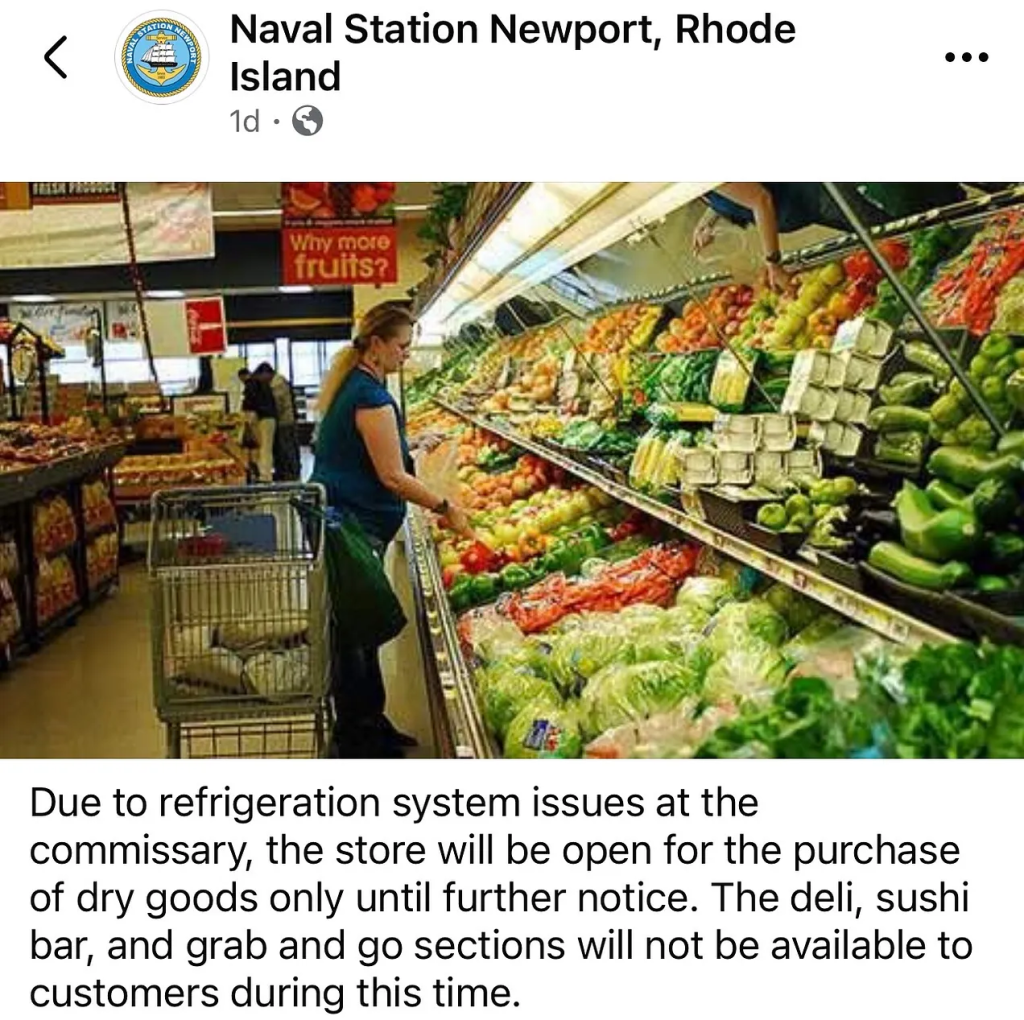
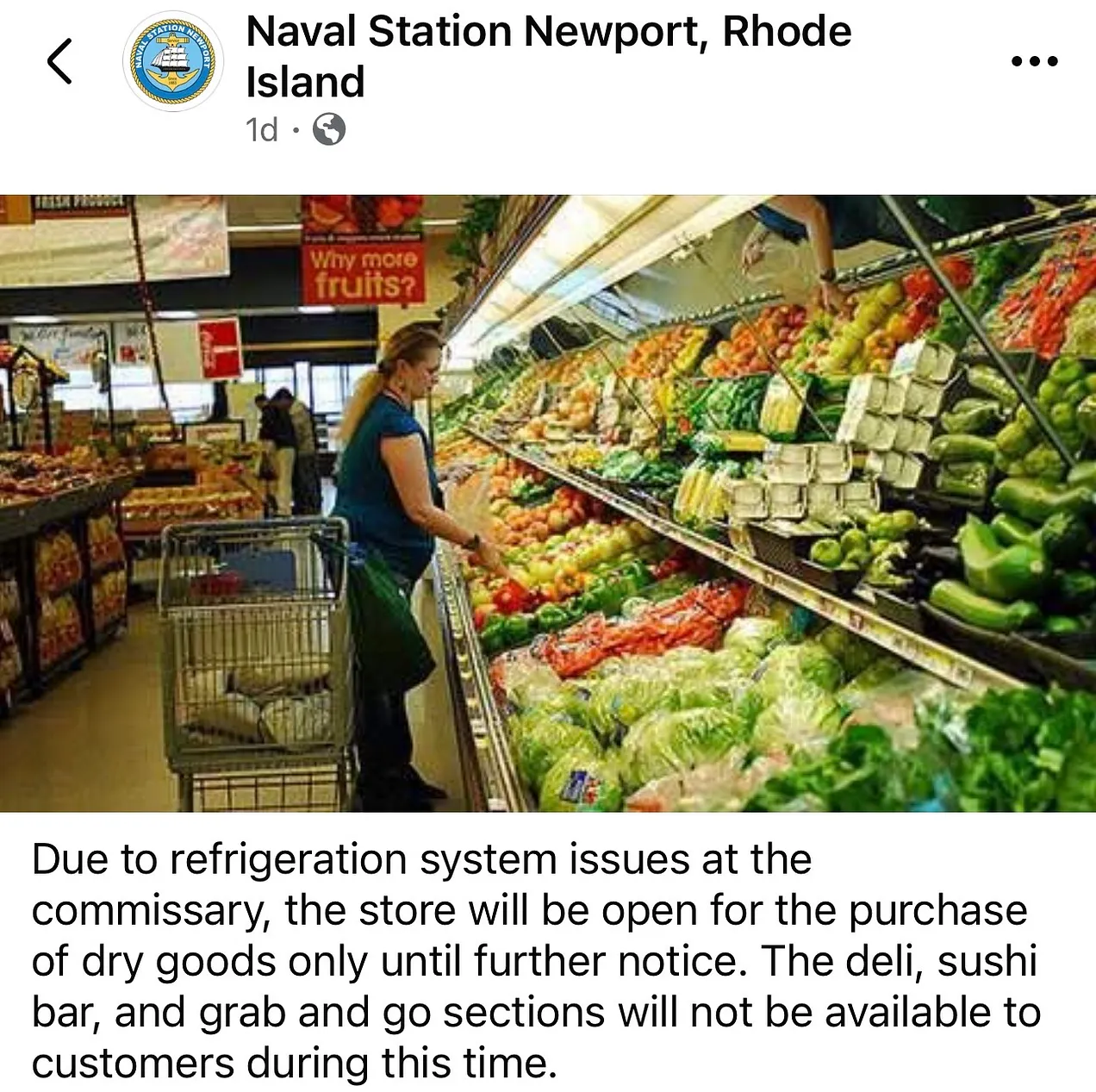
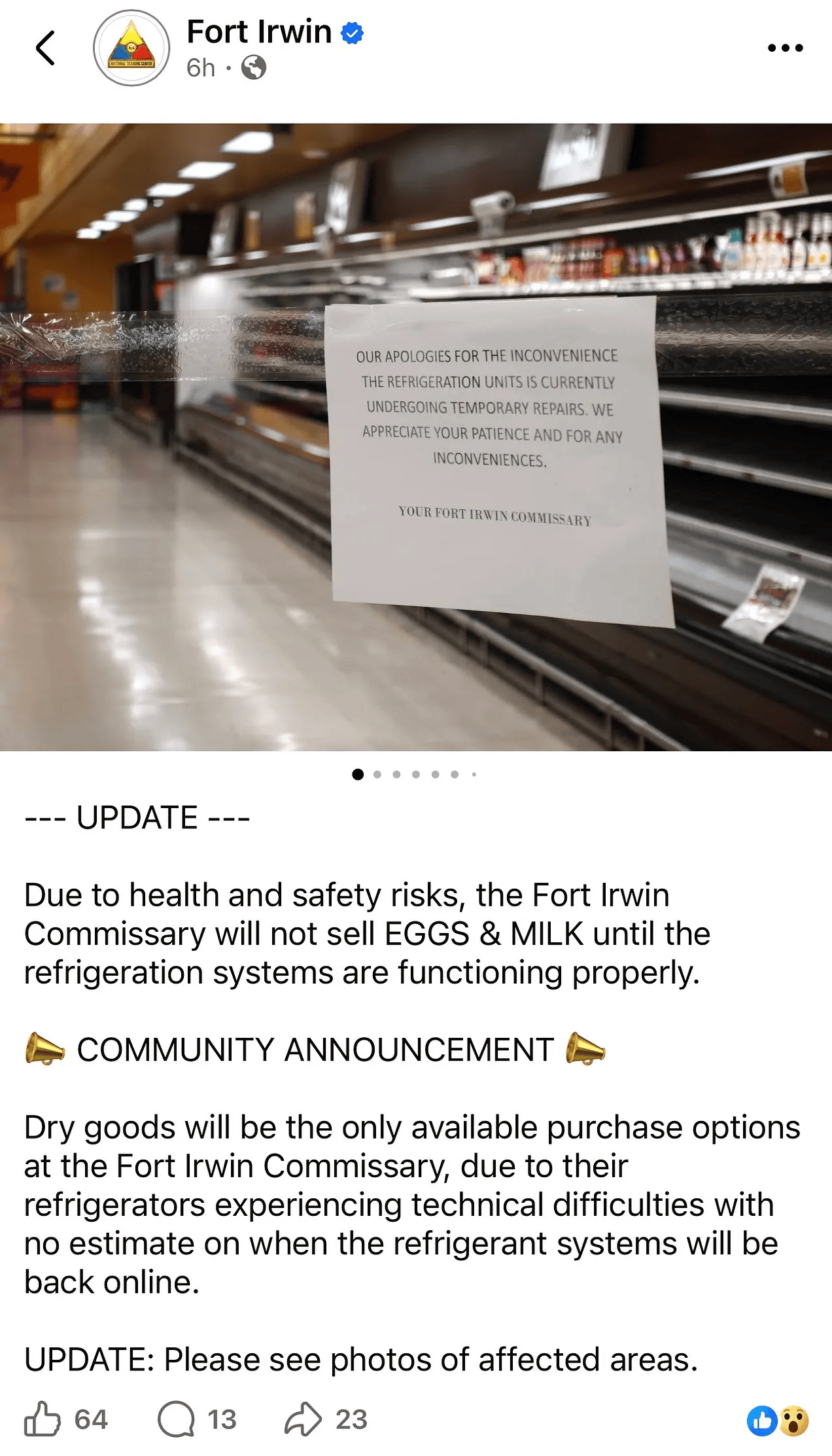
    The incidents hit commissaries, the on-base stores where military personnel buy food. At least six were affected in late August, according to Reuters’ review of the bases’ Facebook posts and website updates. Stars and Stripes named Fort Irwin, F.E. Warren, Naval Station Newport, Columbus and Travis among the confirmed stores, and some outlets count up to 14 sites in 11 states, though not all are confirmed.

    In at least one case the freezers didn’t just stop. Their temperatures were cranked up overnight, which left mounds of wilted or melted food in the morning. Fort Huachuca in Arizona said on August 26 that its freezer went into defrost mode and heated up all the food, adding that trust us when we say it was spoiled.

    The Pentagon wasn’t the first to speak. A recently created blog called Signal and Silence reported the freezer failures and the possibility of sabotage on August 28, while Stars and Stripes reported the involvement of military investigators and Britain’s Daily Telegraph reported the contacts with the French. The French Embassy in Washington had no comment. Frozen food is the one asset where damage takes hours and evidence takes the form of puddles.

    The French attack is the clearest example. Hackers took control of the cooling units in more than 350 stores and raised the temperatures. Frozen food aisles were emptied, and some units got so hot they caught fire. One supermarket owner said the total cost could reach tens of millions of euros.

    The same thing happened in Arizona: attackers made the units hotter instead of just turning them off.

    Reuters could not tell which brand was used at the US bases, and Danfoss, which is the manufacturer targeted in French supermarket attacks, did not reply. A public research report on Danfoss controllers came out before the incidents, but nothing shows a link to the bases.

    There is a history of attacks on refrigeration systems. Danfoss reports that hackers targeted supermarkets in Russia and Israel in 2022 by exploiting outdated cooling controllers. In December 2025, US prosecutors accused a Ukrainian woman of belonging to a hacking group that disrupted refrigeration at a meat plant in 2024, ruining more than 2,000 pounds of meat.

    Earlier this year, the Global Food Safety Initiative urged food safety experts and IT leaders to work together to protect refrigeration systems.

    Follow me on Twitter: @securityaffairs and Facebook and Mastodon

    Pierluigi Paganini

    (SecurityAffairs – hacking, Military Base Freezer)

    Source: Security Affairs · 2026-10-29

  • Millions of security cameras at risk: DoS vulnerability in Intelbras devices

    Millions of security cameras at risk: DoS vulnerability in Intelbras devices

    Background

    Network-connected surveillance cameras are now widespread in both home and enterprise environments, so securing them is essential to safeguarding physical spaces and sensitive assets. As these devices continue to gain new features and network connectivity capabilities, vulnerabilities in their implementation can have significant security implications.

    During our research, we discovered a denial-of-service vulnerability that affects Intelbras IP cameras systems. The flaw resides in a firmware update endpoint that is accessible without authentication and allows anyone with access to the local Wi-Fi network to knock cameras offline. A single request disrupts the camera for only about a minute, but sending periodic requests keeps the device offline indefinitely. We reported the issue to Intelbras, monitored the remediation process, validated the fix in the new firmware, and will now demonstrate the exploitation procedure step-by-step.

    Following our notification, Intelbras patched the vulnerability and released updated firmware (R.260804) along with update instructions. A candidate ID of CAN-2026-2035970 has been assigned by MITRE following submission, pending the final CVE assignment. Additionally, the Intelbras team recently informed us that MITRE has classified the vulnerability as Medium, assigning it a score of 5.1 under the CVSS 4.0 framework. The issue discussed in this article is no longer present in the latest firmware version.

    Firmware

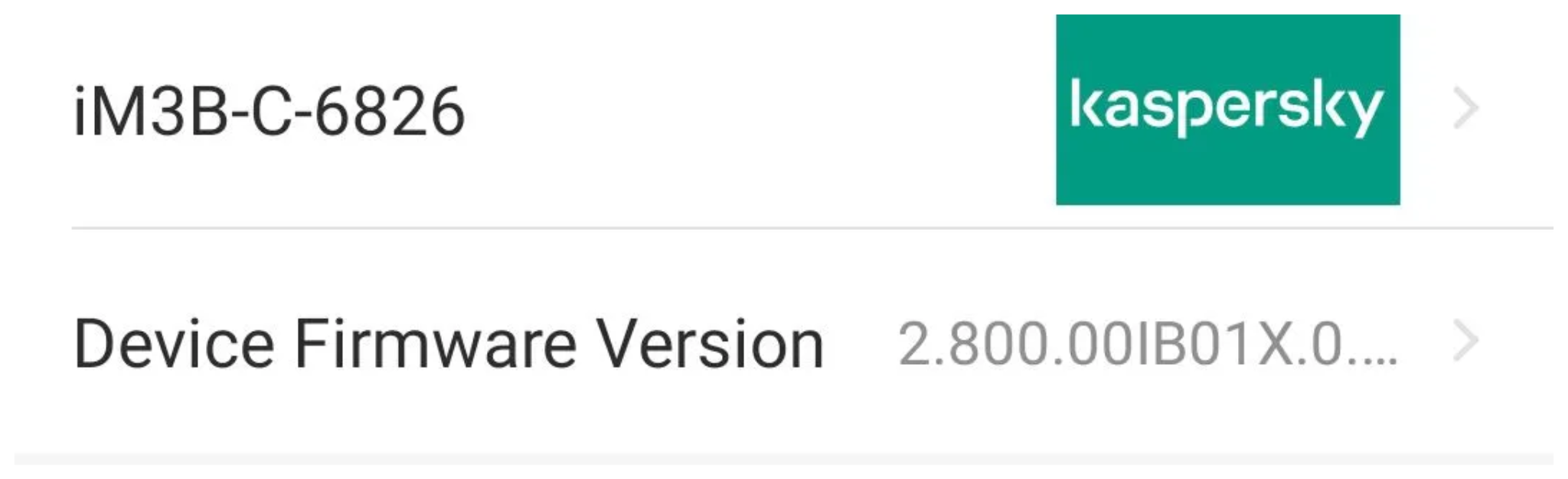
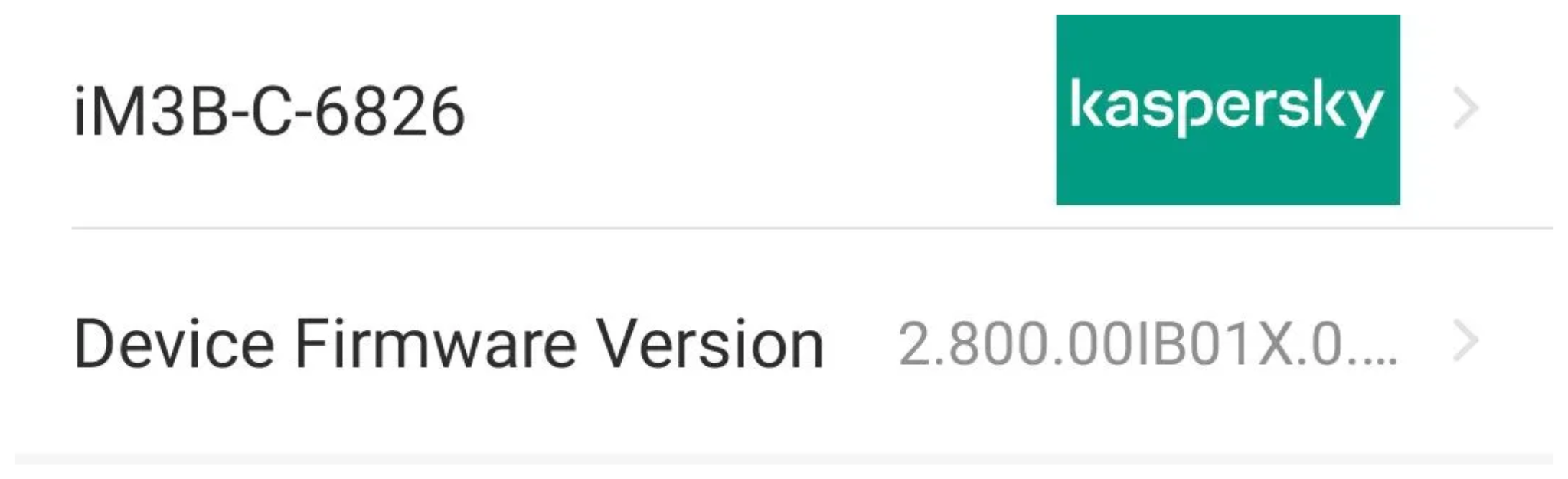
    Intelbras provides firmware files on its official website. While users can manually install these updates via an SD card, the cameras also natively support firmware upgrades over the local network via their web interface and mobile app. We obtained the firmware version v240927 for the iM3B-C (IM3 C) camera, which was the latest available version at the time of our research. According to Intelbras, the same firmware is also compatible with the iMX C, iM4 C, iM5 SC, iME 360 C, and iM7+ FC models. Below, we can view the firmware version and the camera model used as an example.
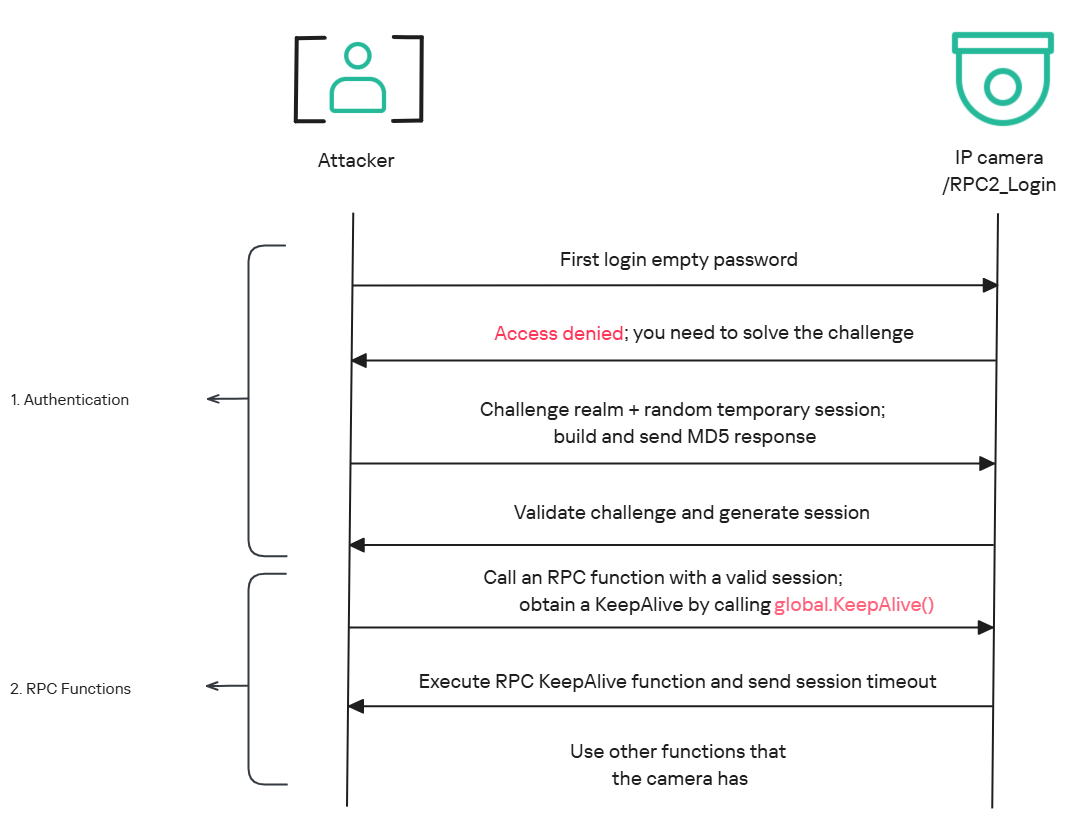
    To provide context, we will explain how the camera’s authentication mechanism works and why it is relevant to accessing the camera’s endpoints. The main firmware component is an ARM binary named sonia, responsible for controlling the kernel drivers used by the camera hardware, authentication, and livestream recording, among other things.

    How authentication works

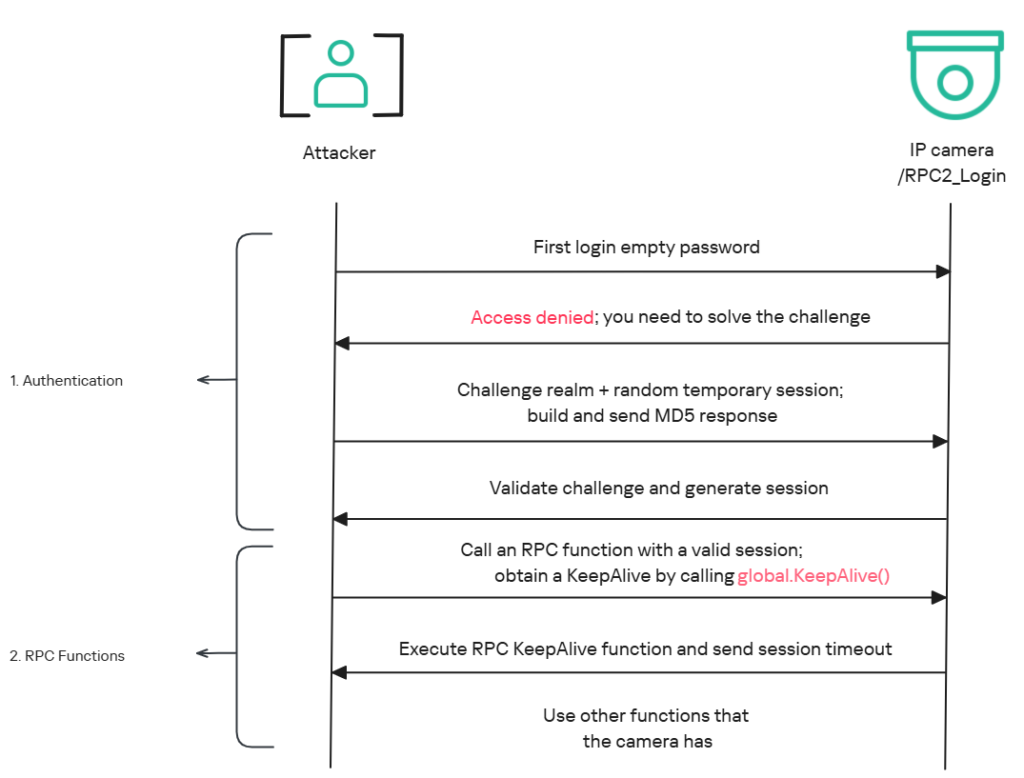
    The global.login RPC method handles authentication at the /RPC2_Login endpoint. First, the client, such as the mobile app or a custom script, sends the username and an empty password. The camera responds with an authentication challenge (a set of values to verify the password without transmitting it). This response returns a temporary session, the encryption type in the encryption field, a random value, and a realm (authentication scope). At this stage, a false response is normal and does not indicate a failed login, as the authentication process is not yet complete.

    Next, the client calculates the response password from the authentication challenge. It first generates an MD5 (username:realm:original_password) hash as the base. It then calculates a second MD5 (username:random:first_md5) hash,  where first_md5 is the result of the previous step. To complete the authentication, the client sends this final result back to /RPC2_Login in a second global.login call, passing the username, calculated password, and temporary session ID.

    If the login is accepted, the camera returns true and a new, authenticated session. This session must be used for all subsequent RPC calls, including the camera’s other endpoints, for example, the one that reboots the device or those that expose sensitive information.
    Affected endpoint

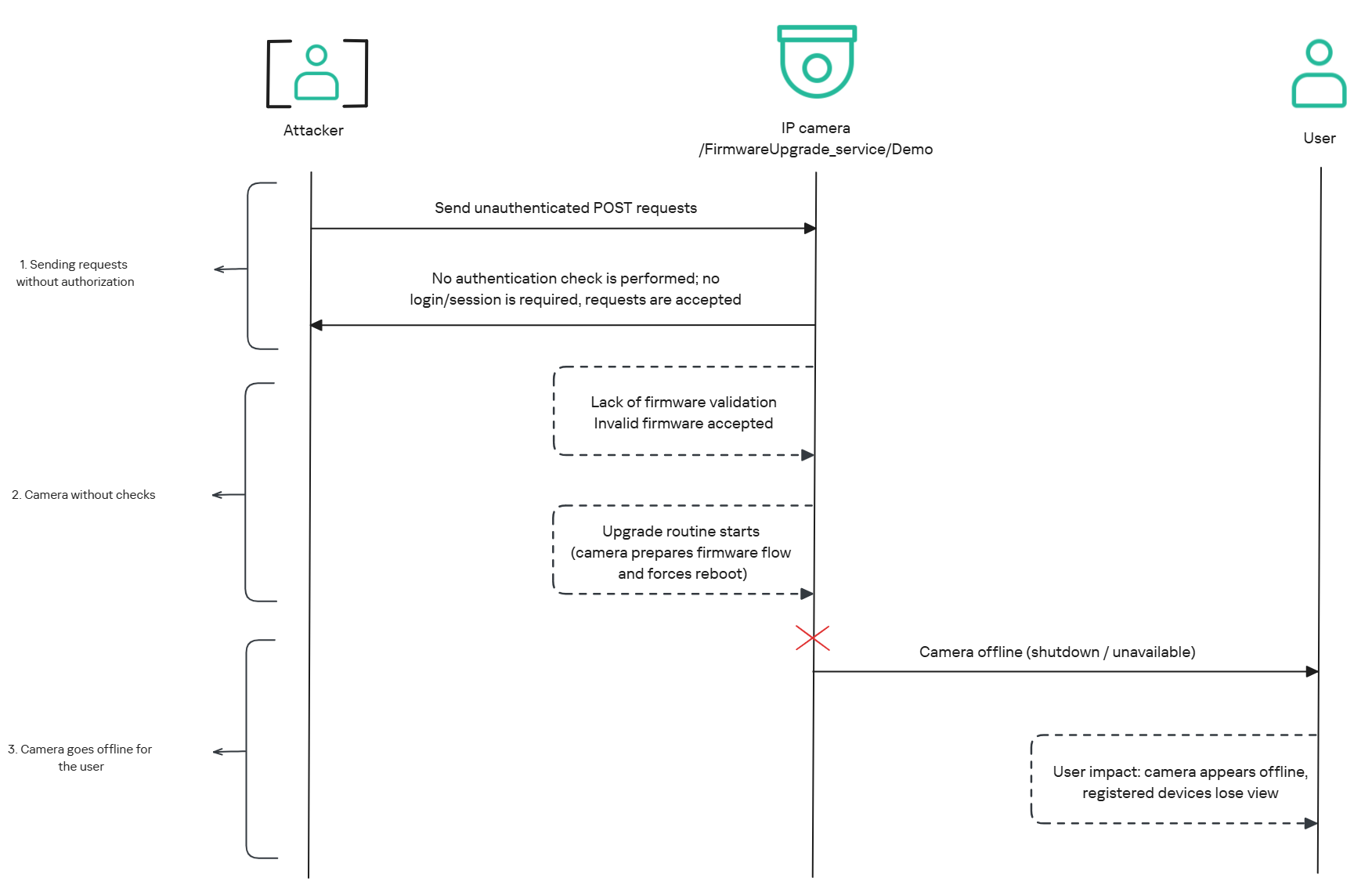
    The affected endpoint is the firmware upgrade route http://<ip_address>/firmwareUpgrade_service/Demo, which lacks authentication checks; furthermore, it fails to verify whether the firmware is actually valid before initiating the upgrade process. This creates a serious issue because the upgrade requires the camera to reboot, and that is precisely when the problem occurs: the camera enters reboot mode and eventually shuts down, appearing offline to the user and anyone who has the camera registered on their device.
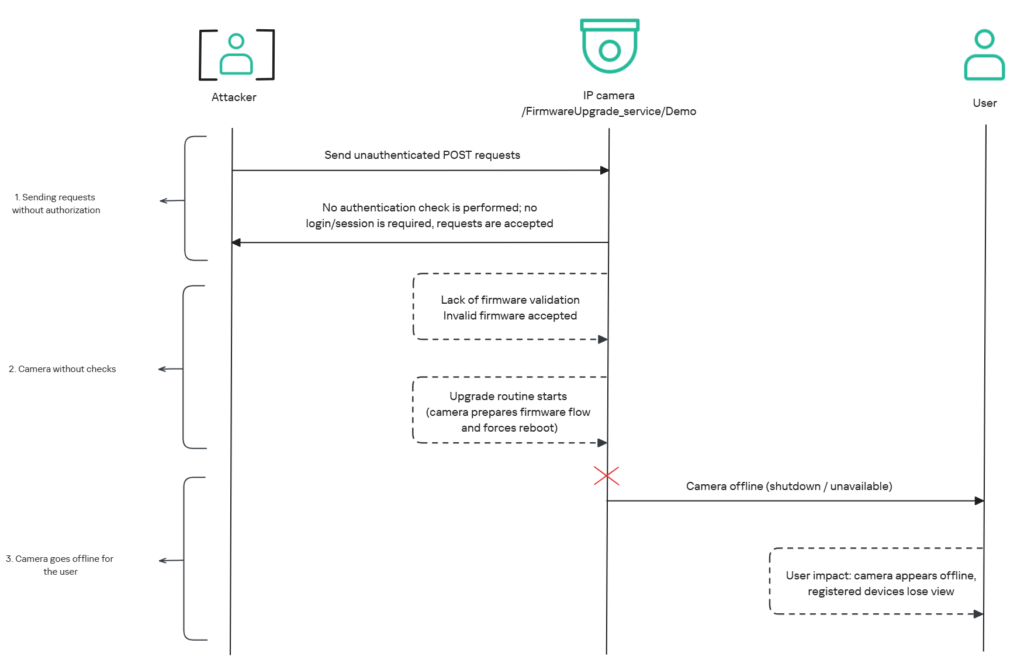
    PoC: vulnerability exploitation

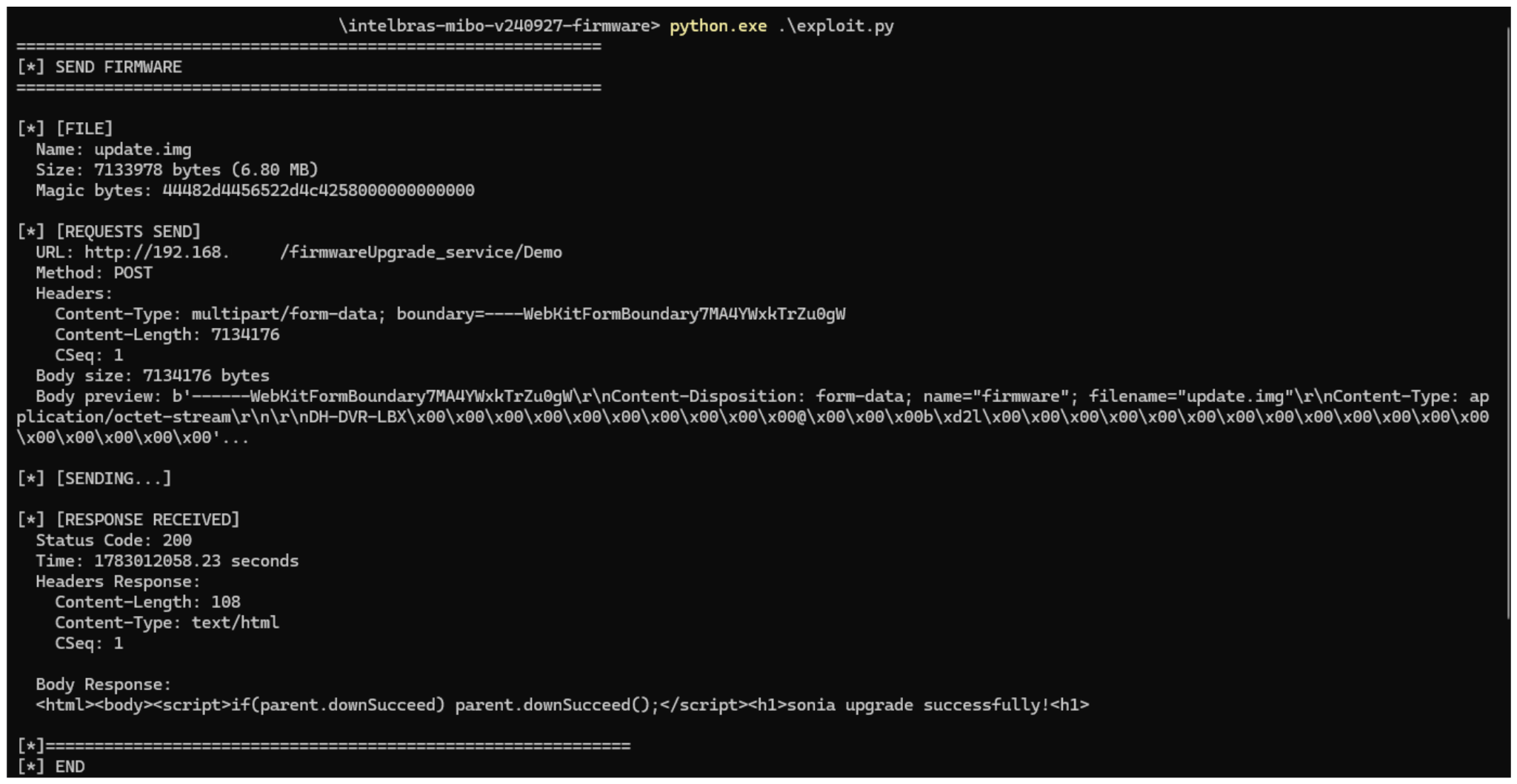
    Now that we have outlined how the vulnerability works, we will use a Python script on an iM3B-C camera to exploit it for demonstration purposes. The exploit contacts the camera’s endpoint to upload firmware. Below, we can see sonia creating the endpoint responsible for the firmware upgrade.

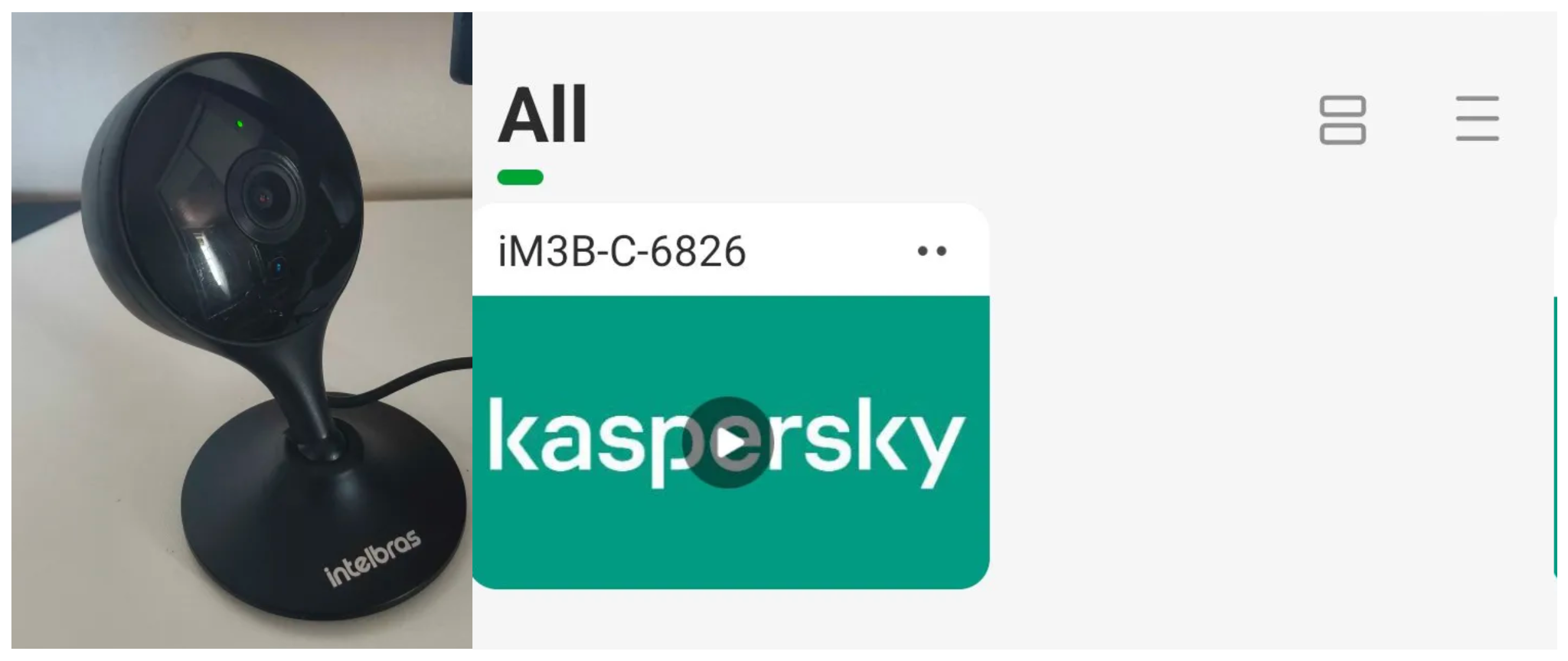
    Next, the exploit will hit the endpoint and cause the camera to reboot. Consequently, mobile phones running the Intelbras app will lose connection with the registered device. Below, we can see the camera operating normally: the green light is on and the app is showing it is available for viewing.
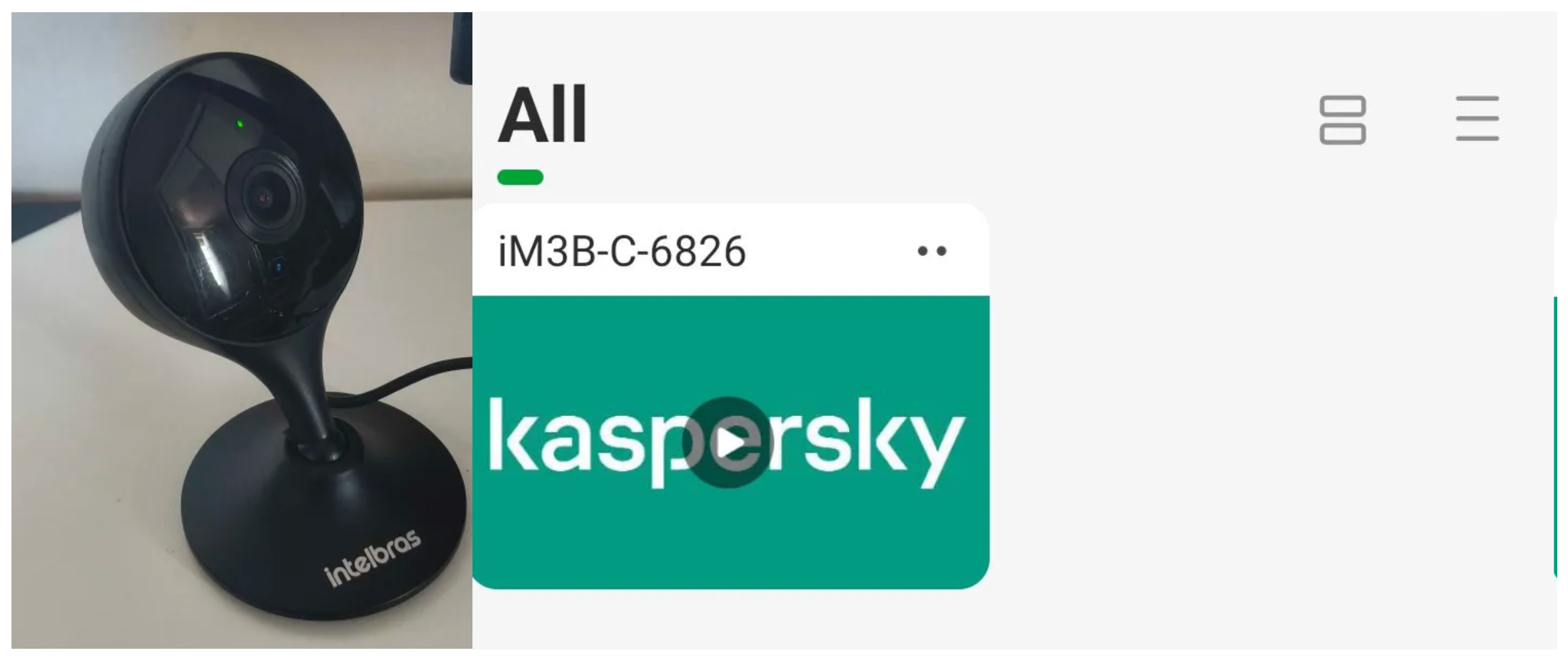
    The camera is online

    The camera is online

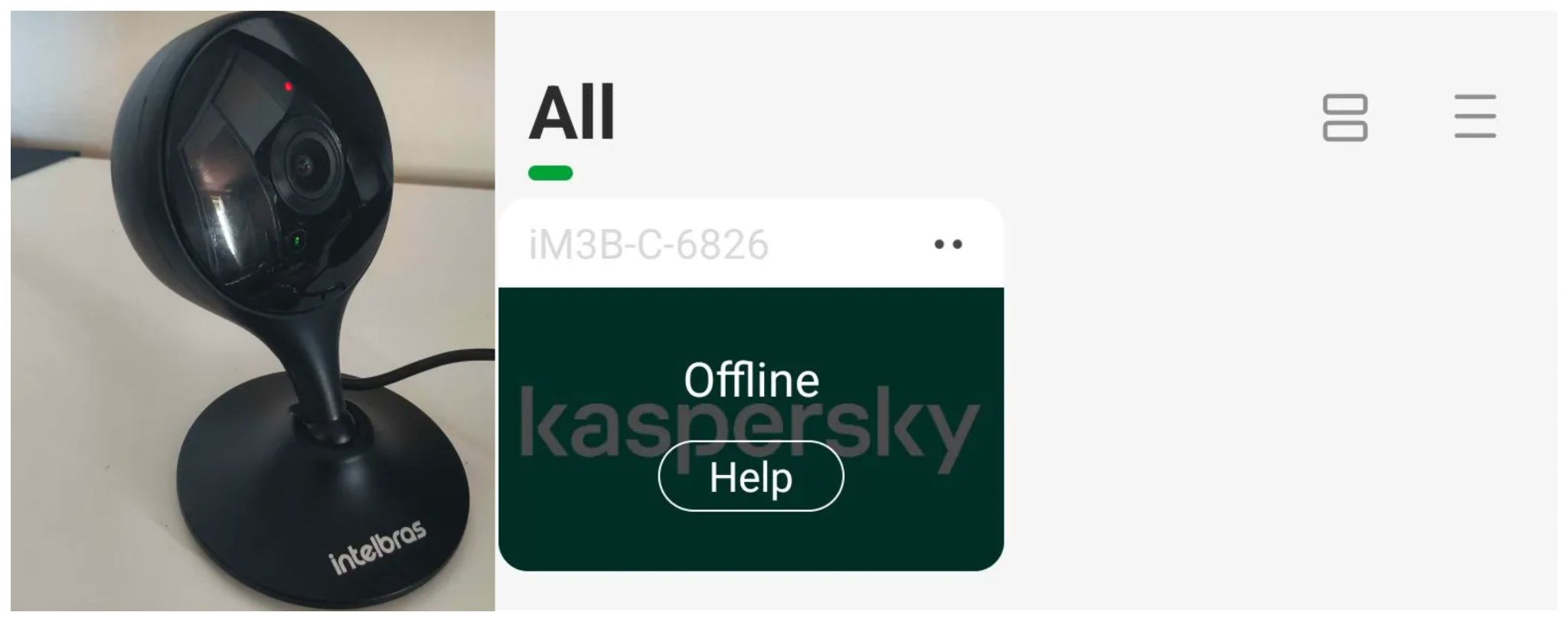
    After the exploit executes, we can see the effects: the camera goes offline and loses connection to the registered devices.
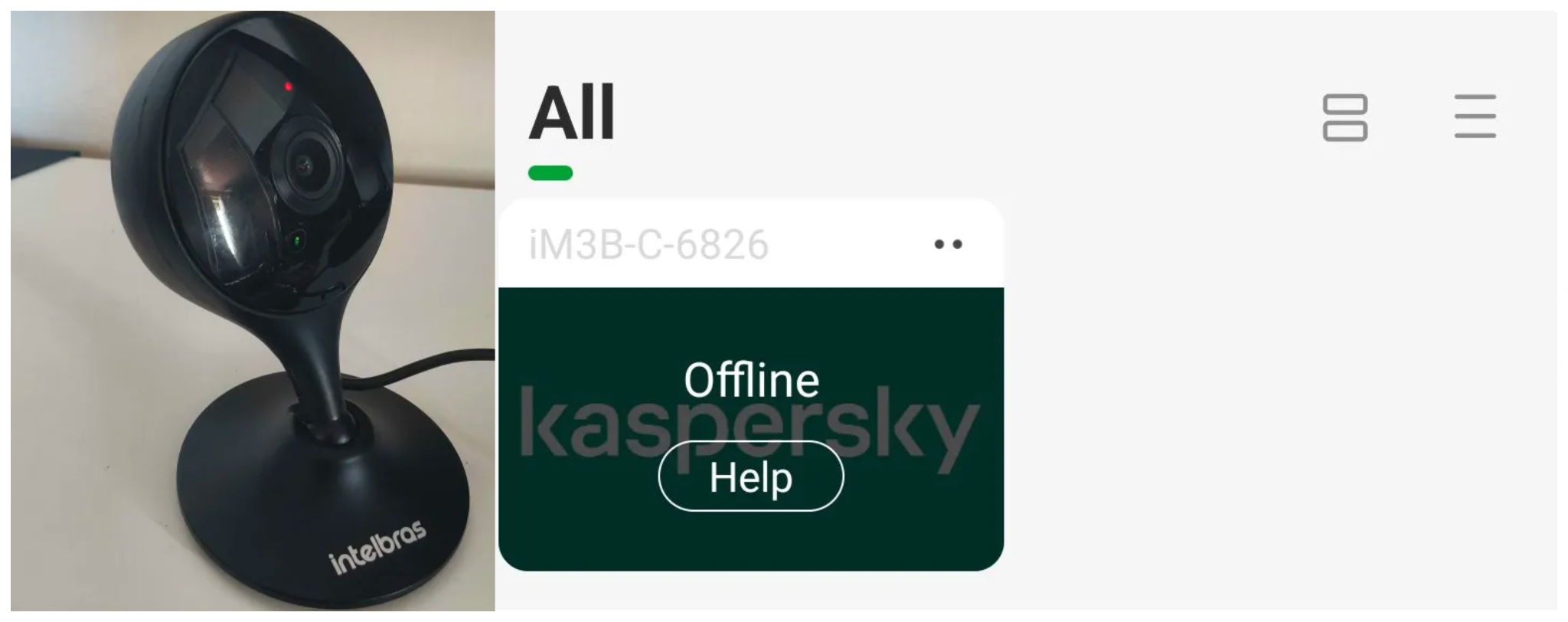
    The camera is offline

    The camera is offline

    The exploit is quite simple: it sends an HTTP POST request with the firmware, which causes the camera to accept the request and initiate the reboot process. It does not matter whether the firmware is original; the reboot process will start regardless.
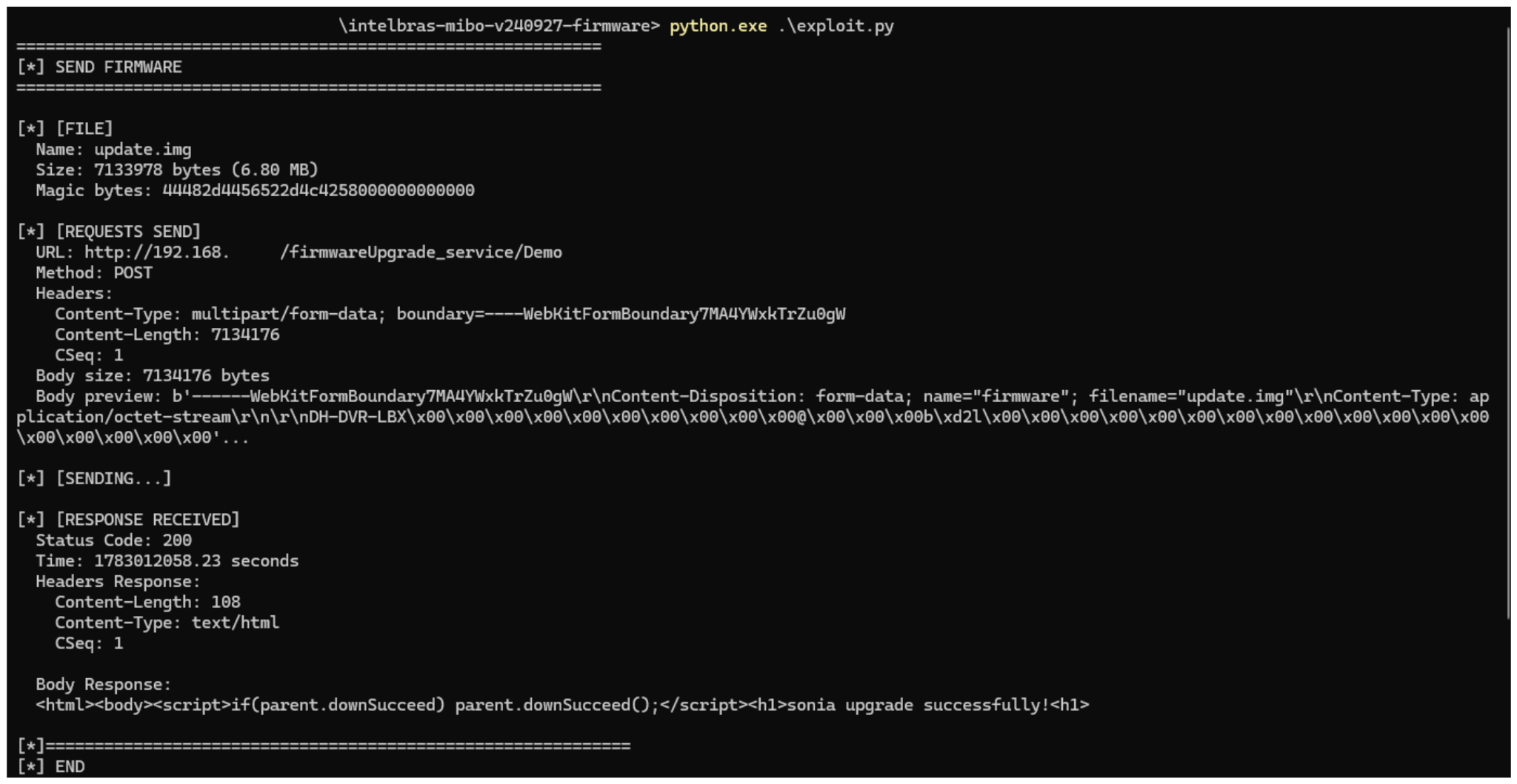
    New firmware version

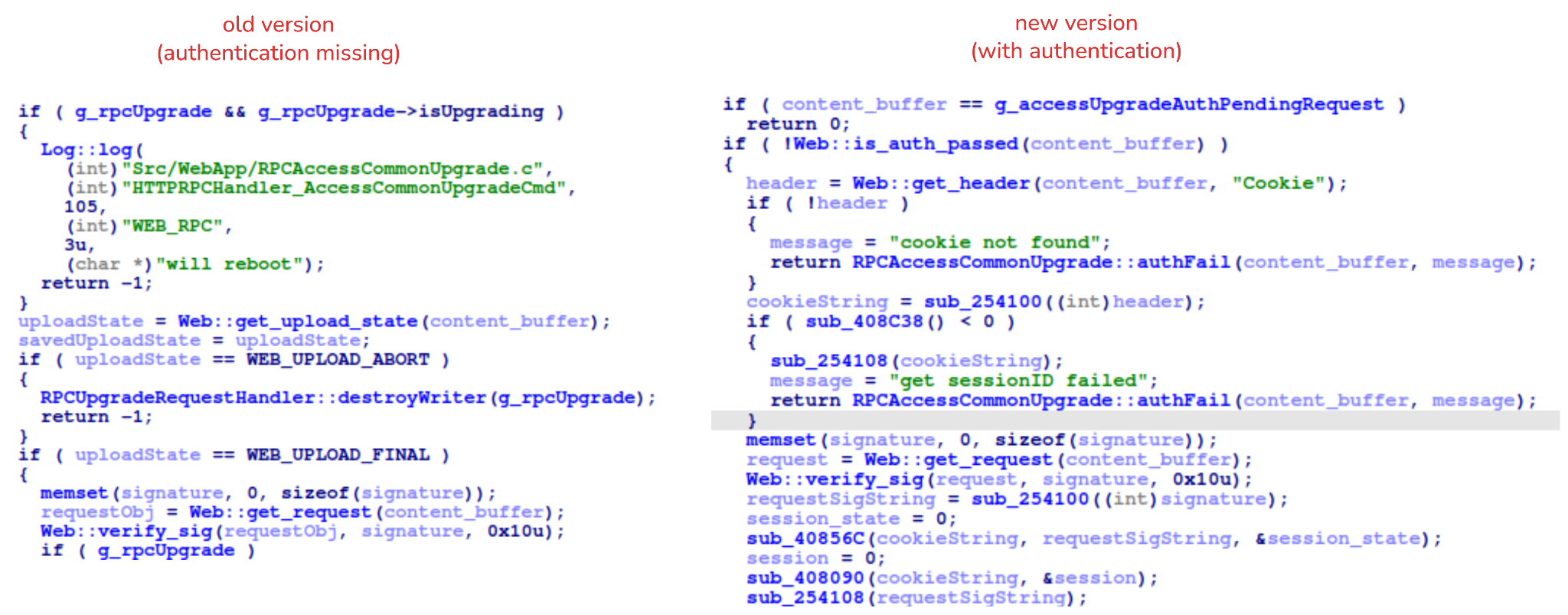
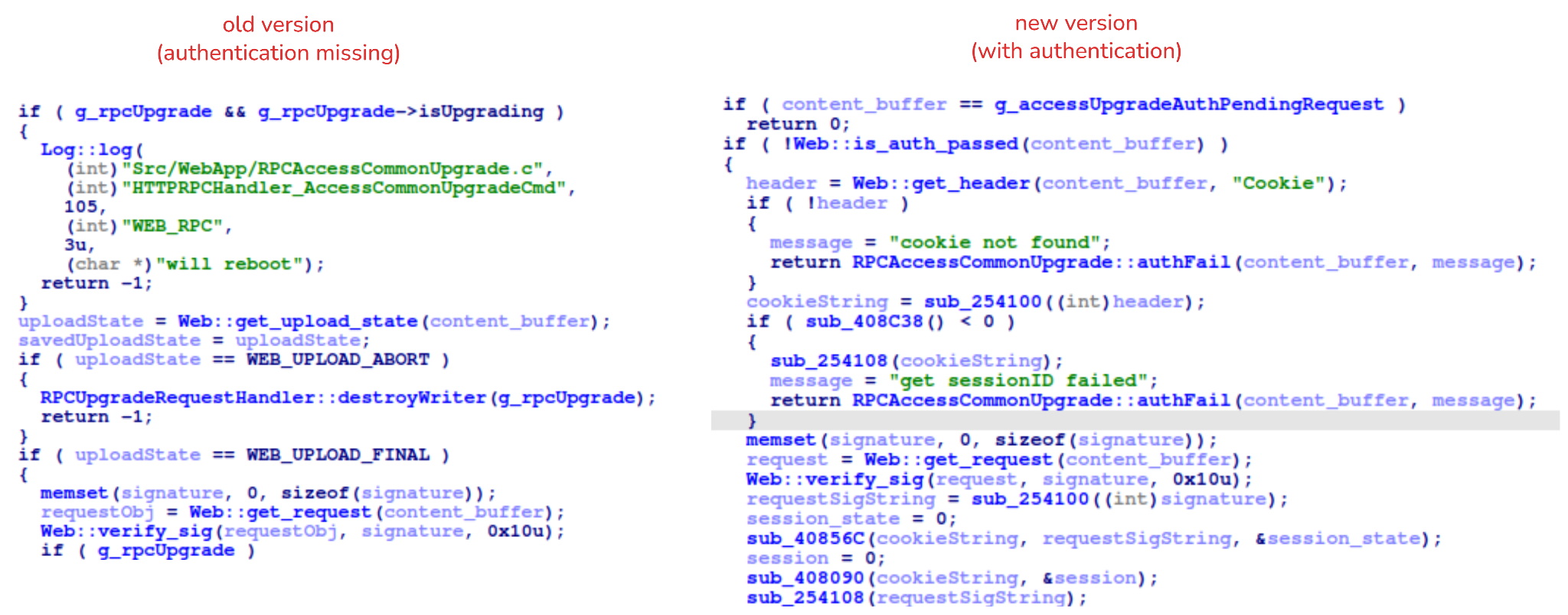
    After we notified Intelbras about this flaw in the endpoint implementation, the company contacted the OEM vendor. As a result, a new firmware version was released that requires authentication to initiate an update through this endpoint.

    Below, we can compare the new firmware, which validates cookies and session data, with the old firmware, which performed no authentication checks and proceeded directly to the update routine.
    Real risk

    An attacker can remotely trigger the camera firmware upgrade and reboot process without authenticating or supplying a valid firmware image. This may cause the device to go offline, which results in a denial-of-service condition preventing legitimate users from accessing live monitoring or managing the camera.

    The potential impact is significant due to the number of affected users. The Intelbras Mibo Smart app, which the company provides to connect and manage the devices mentioned in this report, has over 4,000,000 downloads. Brazil represents the largest user base, followed by Paraguay, Ecuador, Colombia, Argentina, Chile, Peru, Bolivia, Uruguay, and Venezuela. As a result, exploitation of this issue affects a large number of users.

    Takeaways

    This is a medium-severity vulnerability that Intelbras is already aware of. The issue has been addressed in a newer firmware release (R.260804 along with update instructions), which mitigates this attack vector. Because the vulnerability directly affects the availability and normal operation of the affected cameras, it is highly recommended that users verify the firmware version currently installed on their devices and update to the latest available version as soon as possible. Keeping the firmware up to date is an essential security practice, especially for internet-connected surveillance devices, as outdated versions may remain exposed to known vulnerabilities.

    Source: Securelist (Kaspersky GReAT) · 2026-10-28